Kratom is one of those substances people rarely plan to get stuck with. Most of the individuals and families who call us about kratom aren’t chasing a high. They’re trying to manage pain, anxiety, exhaustion, or the aftermath of something harder—an injury, trauma, burnout, or a long stretch of simply holding it together.
This page isn’t here to convince you that kratom is “good” or “bad.” It’s here to help you understand when something that once felt supportive has quietly become a problem—and what thoughtful, individualized treatment can look like when you’re ready for help.
Kratom comes from the leaves of a Southeast Asian tree and has been used traditionally for energy, pain relief, and stamina. In the U.S., it’s commonly sold as capsules, powders, teas, or concentrated extracts. Many people encounter kratom after reading about it online or hearing that it’s a “natural” alternative to opioids or prescription medications.
The complication is that kratom isn’t neutral to the brain. Its active compounds bind to opioid receptors, which means it can relieve pain and emotional discomfort—but also means the brain adapts to it. Over time, what started as occasional or “as-needed” use can turn into something more rigid: daily dosing, dose escalation, and discomfort—physical or emotional—when it wears off.
At Footprints, we often hear people say, “I didn’t even realize this counted as a problem.” That realization alone can bring a lot of shame. We work to remove that from the equation entirely.


Kratom’s effects depend on dose. Smaller amounts can feel stimulating and mood-lifting. Larger amounts act more like opioids—sedating, calming, and numbing.
What matters clinically isn’t the label on the substance—it’s the pattern that forms around it.
With ongoing use, the nervous system begins to rely on kratom to regulate:
When someone tries to stop or cut back, the body often pushes back. Withdrawal symptoms can include anxiety, irritability, insomnia, muscle aches, restlessness, nausea, and a heavy emotional low. Because kratom is often marketed as gentle or benign, these symptoms can feel confusing and frightening when they appear.
We approach this not as a failure of self-control, but as a predictable neurobiological response.
There is no single kratom story—but there are familiar threads.
Some people start using kratom while tapering off prescription opioids and never fully step away from it. Others turn to it during a stressful season—parenthood, caregiving, high-pressure careers, unresolved trauma—because it seems to take the edge off without disrupting daily life. For many, use slowly escalates without a clear “moment” when things changed.
What we see most often is not chaos, but quiet narrowing: fewer emotional highs and lows, less flexibility, more dependence on a substance to feel okay enough to function.
This is not a moral issue. It’s a human one.
Kratom doesn’t always cause immediate crises, which is why people can stay stuck with it longer than they intended. Instead, the impact tends to show up gradually.
People describe:
Life keeps moving, but it feels muted. Families often sense the distance before they understand the cause.
From the outside, kratom use can be hard to name—but its effects ripple outward.
Loved ones may notice emotional withdrawal, irritability, secrecy, or changes in routines. Trust can erode quietly. Communication becomes tense or avoidant. In professional settings, performance may slip or feel harder to sustain.
At Footprints, we don’t treat kratom use in isolation. We look at the whole system—because recovery doesn’t happen in a vacuum, and neither does substance use.
Let us do the heavy lifting to call & verify your insurance. We are in-network with most major insurance carriers including Aetna, BlueCross BlueShield, Cigna, Humana, as well as many others. Don’t see your insurance? We work with dozens more, so don’t worry just call.
We are here to help you and your family figure this out.
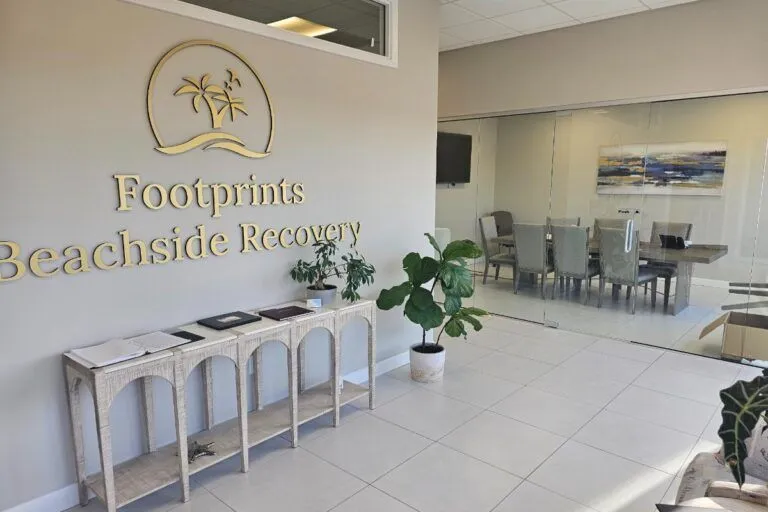
Supporting those who live in the area and those looking to recover on the beach

Enjoy the calm waters of The Gulf of Mexico while you heal mind, body & spirit

Just steps to beautiful white sand beaches
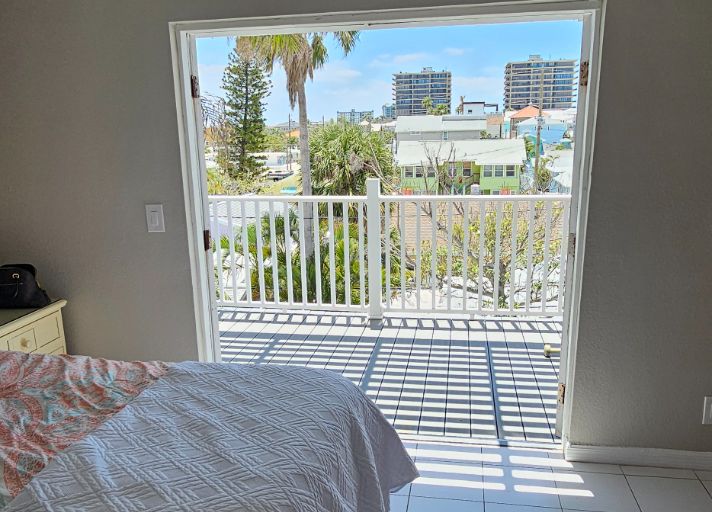
Recently renovated women’s property with beautiful views and ocean breezes

Short walk to the sea and local shopping areas
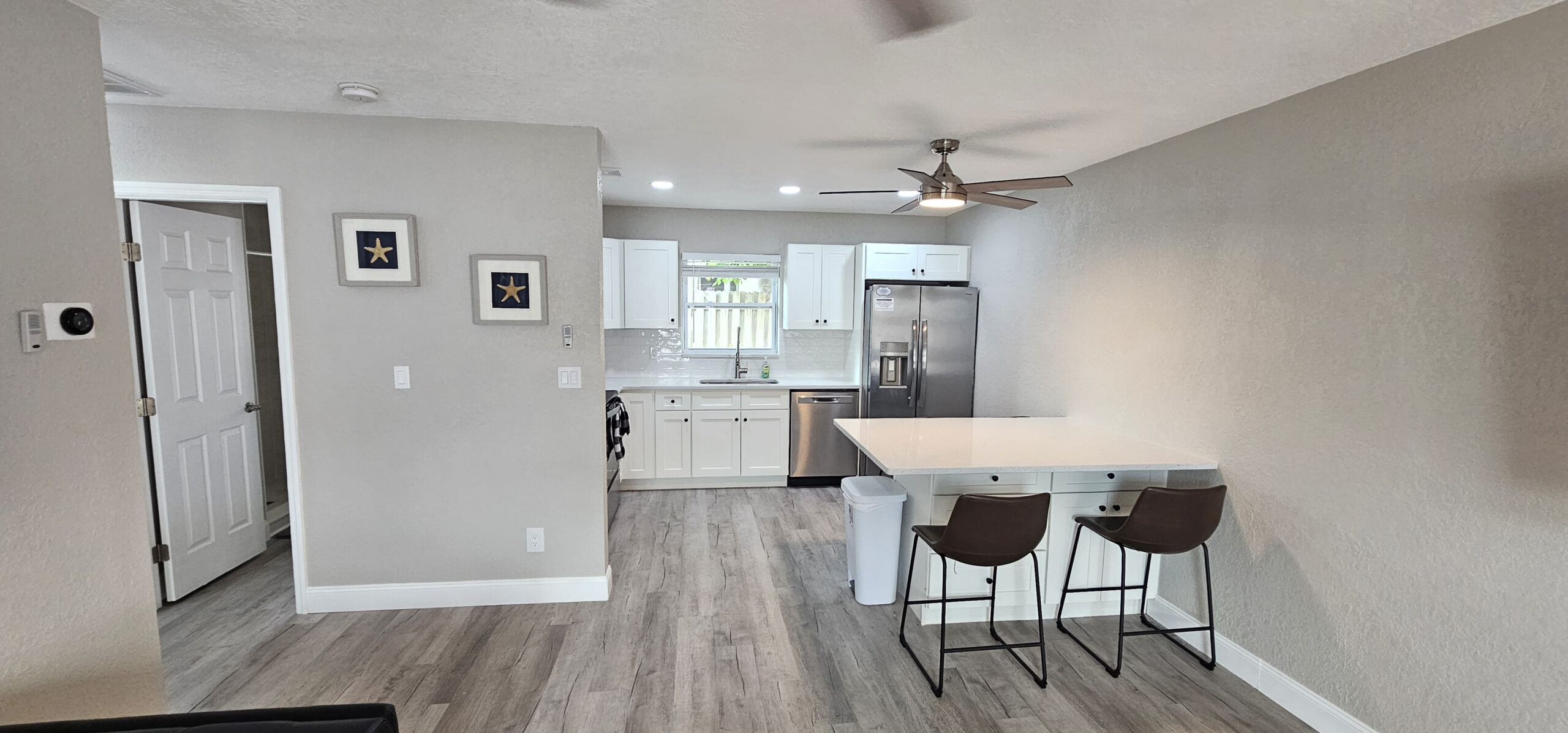
Newly renovated interior with modern kitchen
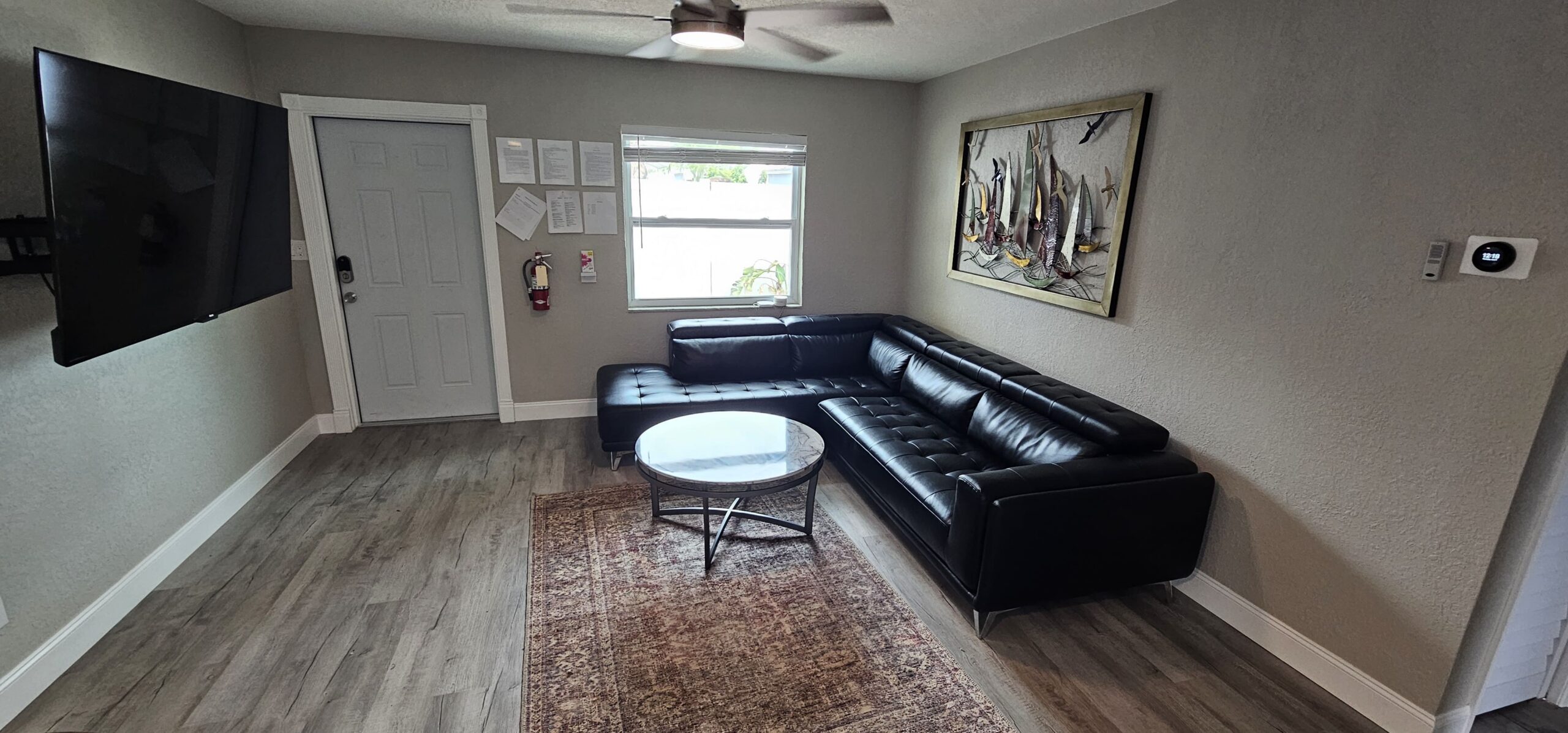
Comfortable common areas to watch the game, relax & reflect
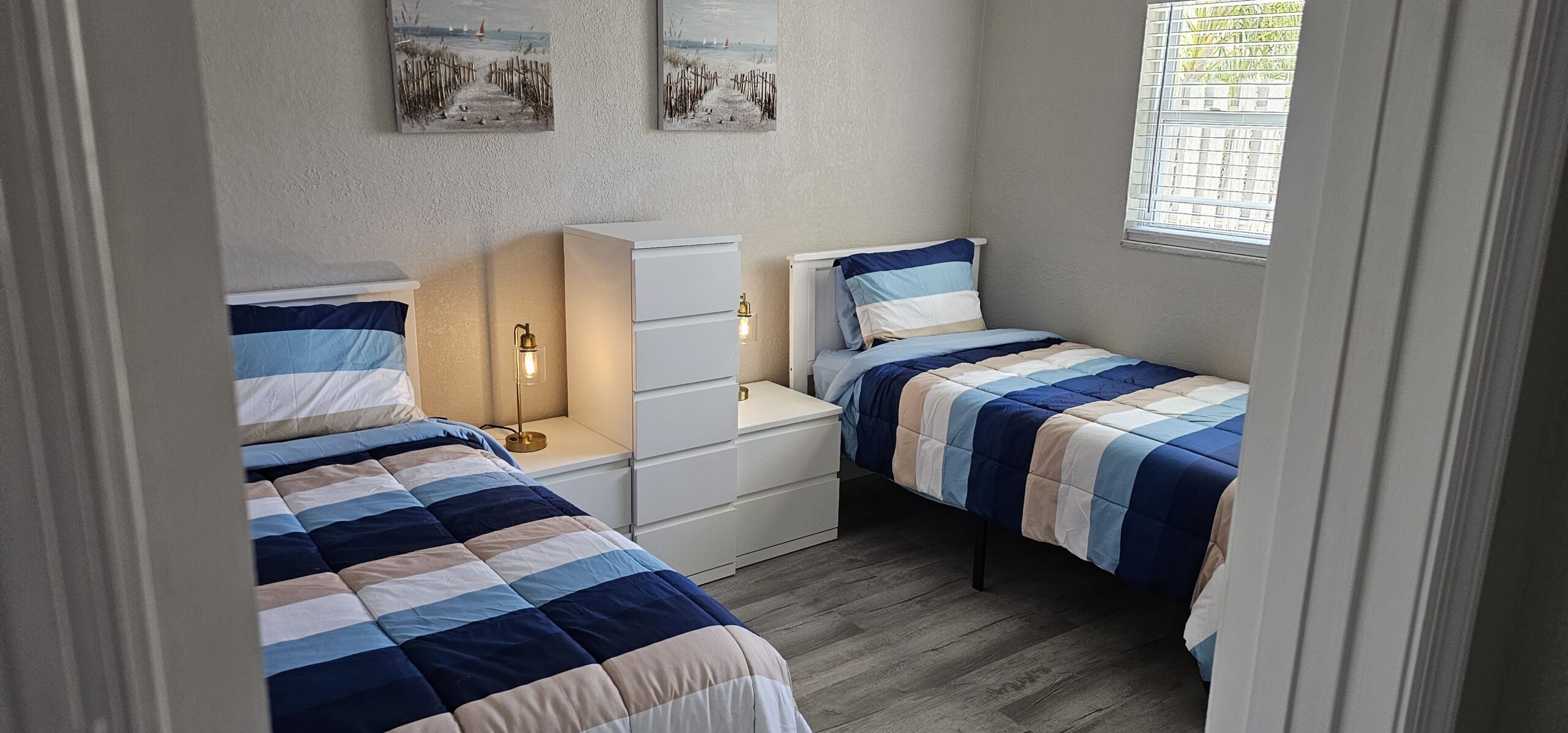
Quiet bedrooms to recover throughout your stay with us

Drone footage from our office

Drone footage from our beachside house
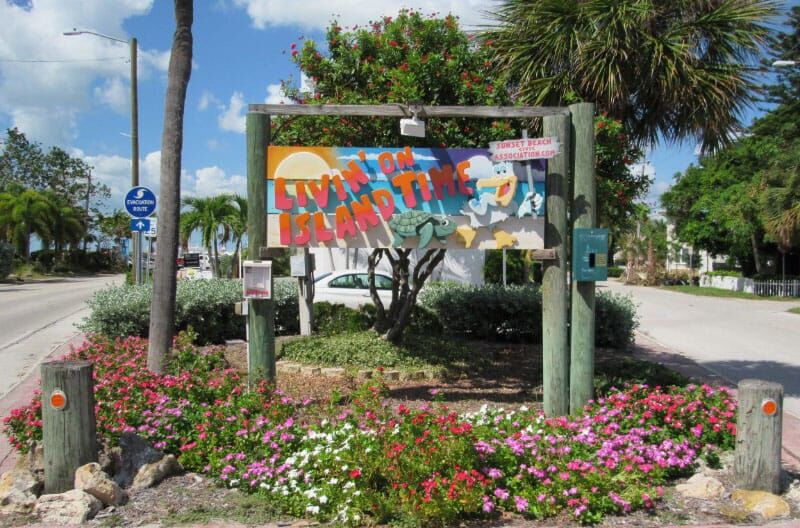
Enjoy Treasure Island activities
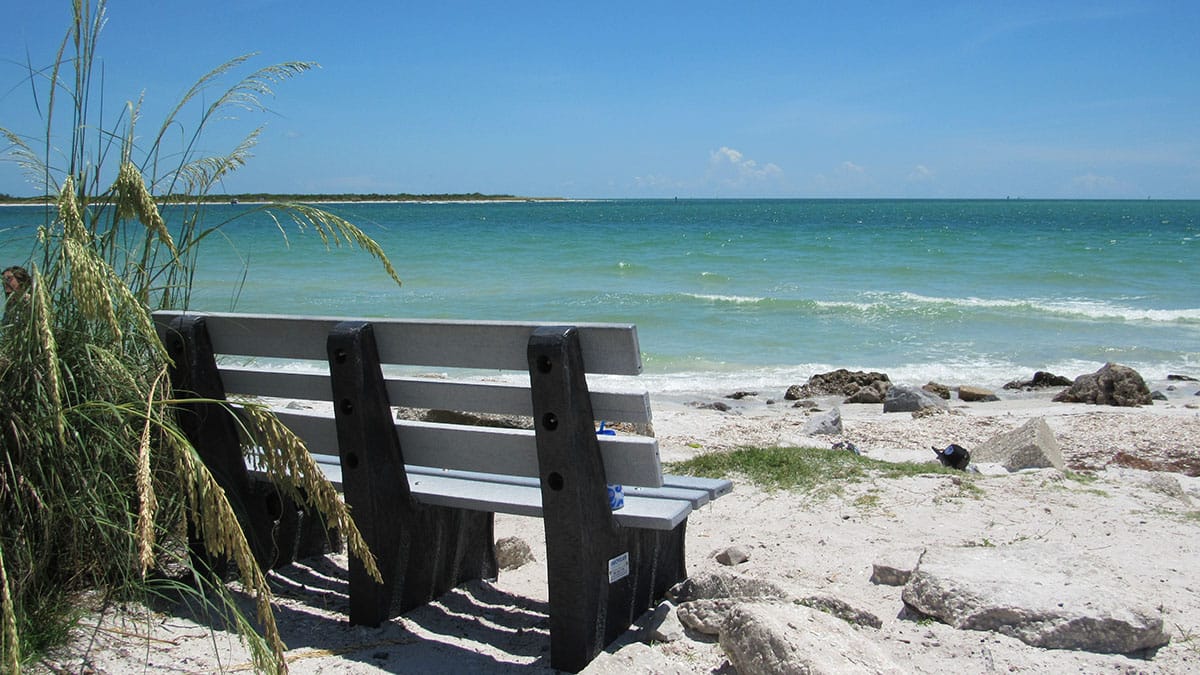
Located near some of Tampas best beaches

Become a member of the family
In the U.S., kratom use is rising among adults who don’t identify with traditional addiction narratives. Many are professionals, caregivers, or people managing chronic stress or pain. Because kratom is legal in many states and widely available online, it often flies under the radar until dependence has already taken hold.
By the time people reach out, they’re often exhausted—not reckless.
There is no one-size-fits-all kratom protocol—and that’s intentional.
For some individuals, treatment includes a medically guided taper to reduce withdrawal discomfort safely. For others, the focus is on stabilizing anxiety, sleep, and nervous system regulation first. What everyone needs is therapy that addresses why kratom became necessary in the first place.
At Footprints, treatment is therapy-led and trauma-informed. Depending on the individual, this may include:
We frame recovery as a process—one that unfolds with time, support, and consistency.
This is where our voice matters most.
Footprints is intentionally small, family-owned, and deeply personal. We build treatment plans around the individual—not around a diagnosis code or preset timeline. Co-occurring anxiety, depression, and trauma are treated alongside substance use, because separating them rarely works.
Our setting in Treasure Island isn’t cosmetic. The calm of the beach, the ability to take a quiet walk after a difficult therapy session, the space to breathe—these support nervous system healing in ways sterile environments often can’t.
We also recognize that many people seeking kratom treatment are still functioning at work or in family roles. Our flexible programming allows professionals and caregivers to receive meaningful care without abandoning their responsibilities.
Recovery here is not rushed. It’s supported across a continuum of care, with thoughtful aftercare planning that acknowledges real life.
You don’t need to wait for kratom to “ruin” anything to ask for help.
If it feels hard to imagine functioning without it…
If you’ve tried to stop and couldn’t…
If life feels smaller than it used to…
Those are enough reasons to talk to someone.
Early support often makes recovery gentler—not harder.
Most people don’t come to Footprints because they failed. They come because something that once helped no longer does—and they’re ready for a different kind of support.
If you’d like to talk through kratom treatment options in Treasure Island or the greater St. Petersburg area, we’re here for a real conversation. No pressure. No labels. Just clarity, compassion, and a path forward that fits you.