People usually arrive at alcohol treatment with more questions than answers.
Not “Am I an alcoholic?” but “Why does this keep getting harder?”
Not “How bad is it?” but “Why can’t I get back to how things used to feel?”
At Footprints Beachside Recovery, we’ve learned that alcohol treatment works best when it starts from those questions—not from labels, fear, or rigid definitions of what recovery is supposed to look like.
This page isn’t meant to convince anyone they “need rehab.” It’s meant to explain how alcohol use actually unfolds in real lives, what effective treatment looks like in practice, and how we approach care in a way that feels human, grounded, and sustainable.
Alcohol is one of the few substances people rarely question at first. It’s present at celebrations, business dinners, family gatherings, and stressful days that feel too long.
For many people, alcohol starts as something helpful:
At some point, though, alcohol stops being additive and starts becoming necessary. Not overnight. Quietly. Gradually. Often invisibly to everyone except the person experiencing it.
At Footprints, we don’t treat alcohol as “the enemy.” We treat it as something that once served a purpose—and now needs to be replaced with safer, more effective ways of regulating stress, emotion, and connection.
Alcohol’s impact isn’t just chemical—it’s regulatory.
Repeated use changes how the brain manages stress, reward, and emotional balance. Over time, the nervous system begins to rely on alcohol to downshift. When alcohol isn’t present, the system swings the other direction—toward anxiety, restlessness, irritability, and poor sleep.
Unlike many other substances, alcohol withdrawal can be physically dangerous, especially after prolonged or daily use. That risk alone is why alcohol treatment must be handled carefully and thoughtfully, not rushed or minimized.
What we often see isn’t chaos—it’s exhaustion. People come in worn down from carrying a system that no longer self-regulates without alcohol.
Very few people wake up one day and decide they want their life to revolve around alcohol.
More often, it looks like this:
Many of the people we work with are high-functioning by external standards. Careers continue. Families stay intact. Responsibilities are met. What changes is how much energy it takes to keep everything moving.
Needing treatment isn’t a failure of control. It’s a signal that the system has been under strain for too long.



Let us do the heavy lifting to call & verify your insurance. We are in-network with most major insurance carriers including Aetna, BlueCross BlueShield, Cigna, Humana, as well as many others. Don’t see your insurance? We work with dozens more, so don’t worry just call.
We are here to help you and your family figure this out.
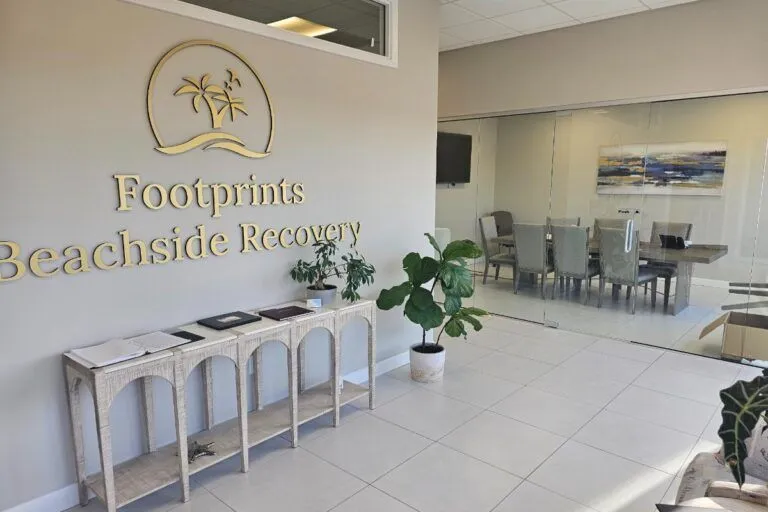
When you are ready we are here for you
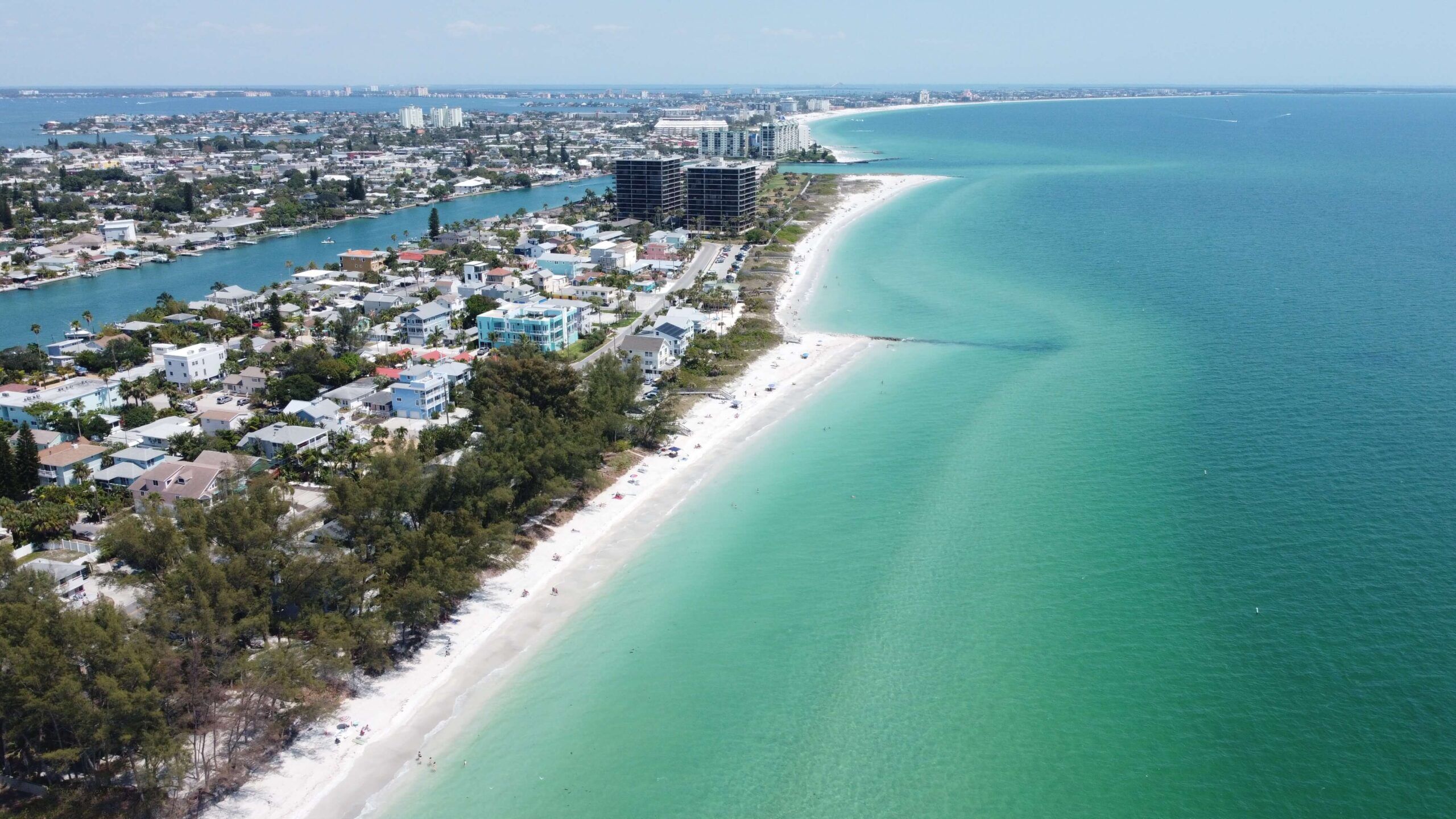
Enjoy the calm waters of The Gulf
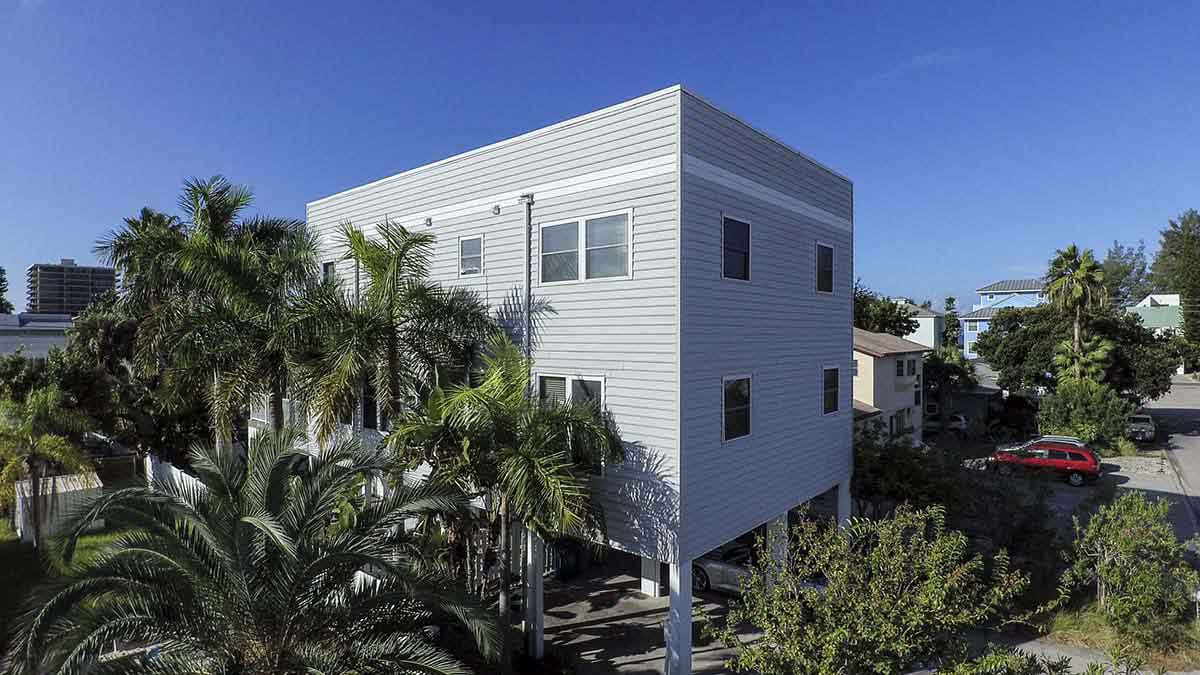
Just steps to beautiful white sand beaches
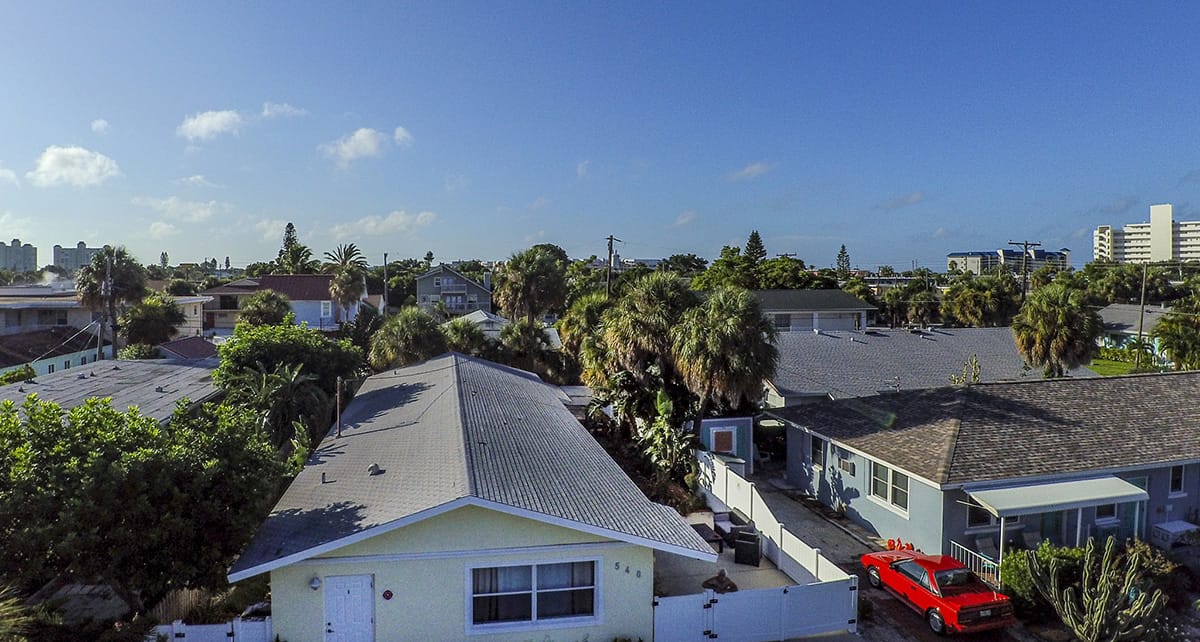
Short walk to the sea and shopping areas

Recently renovated property
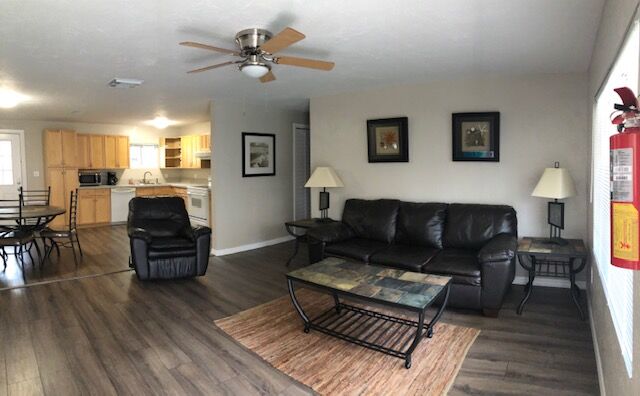
Clean, comfortable & quiet
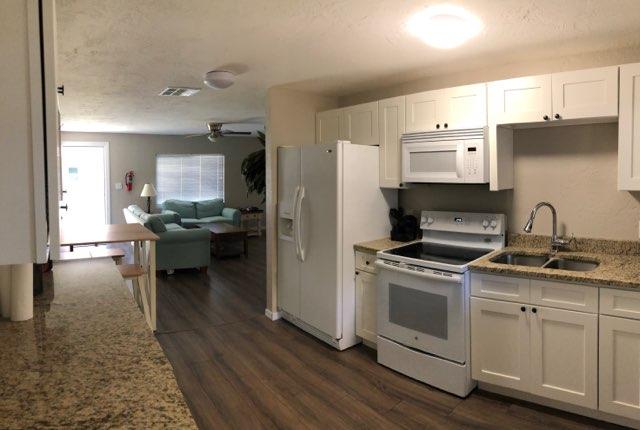
A place to cook and heal
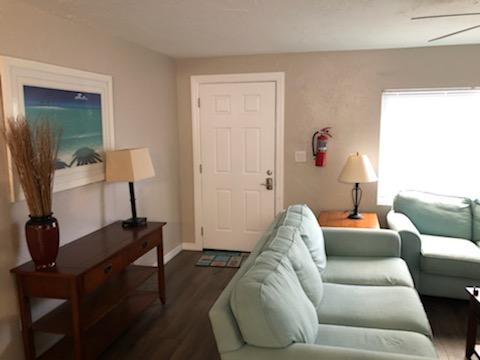
Relax in common areas
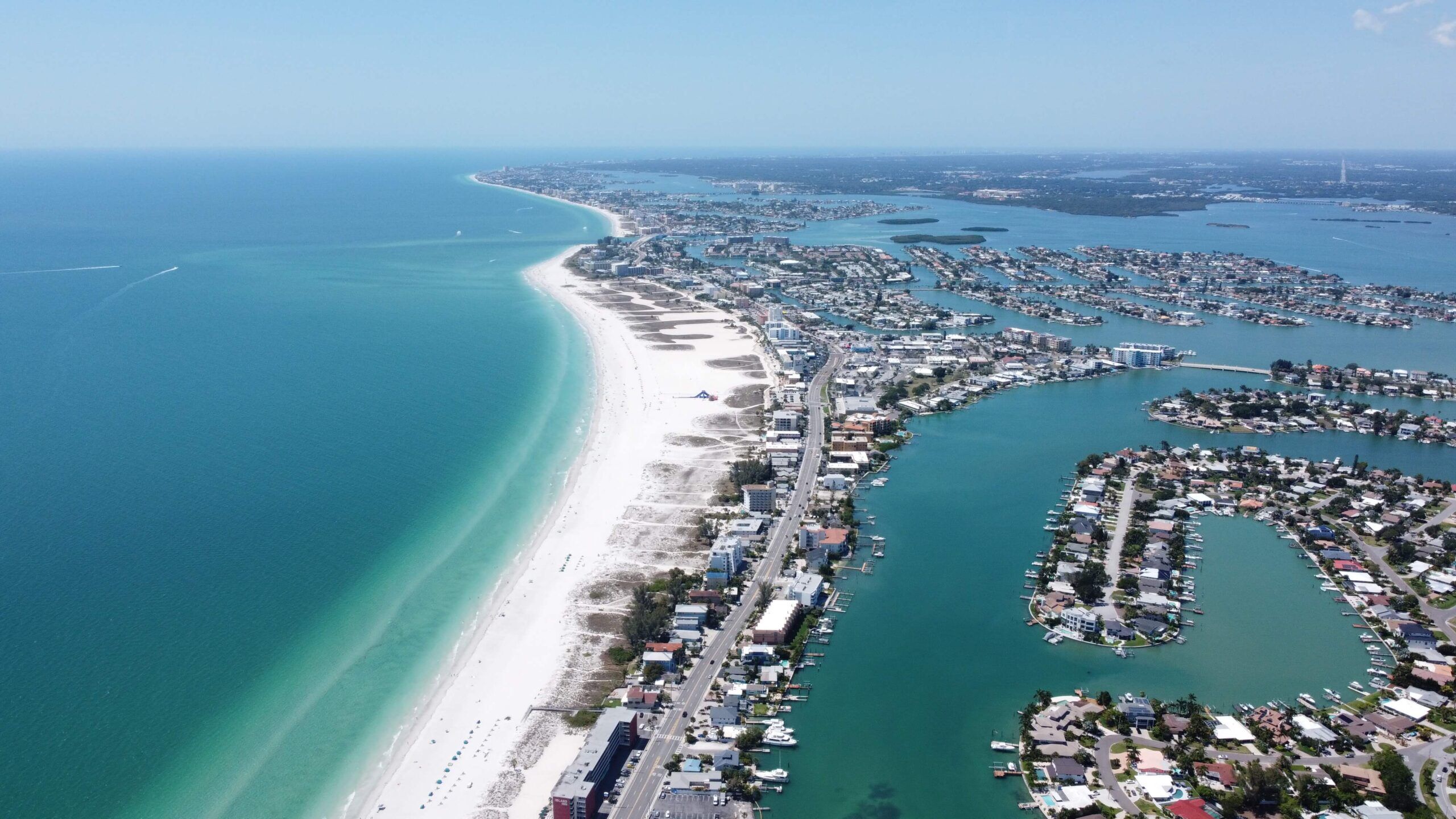
Drone footage from our office
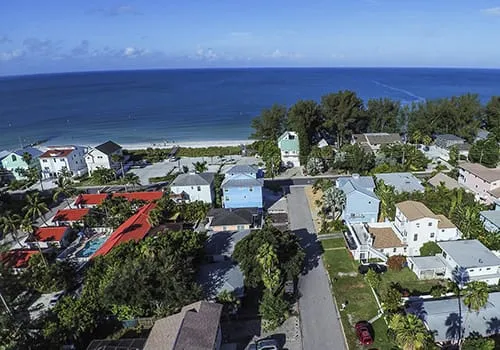
Drone footage from our beachside house
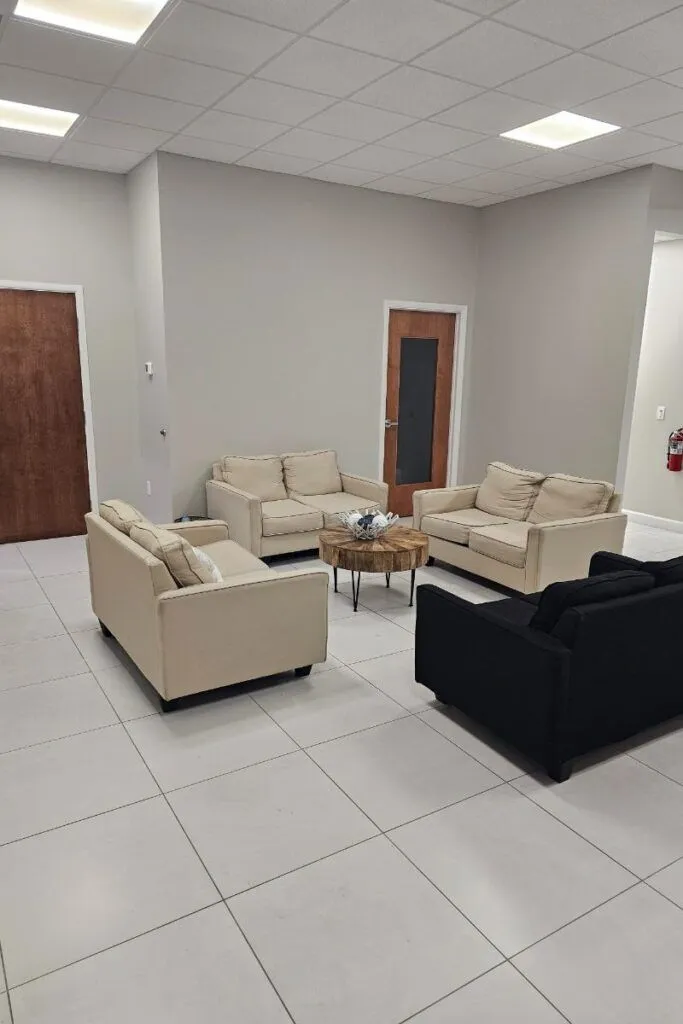
Comfortable accommodations at our officer
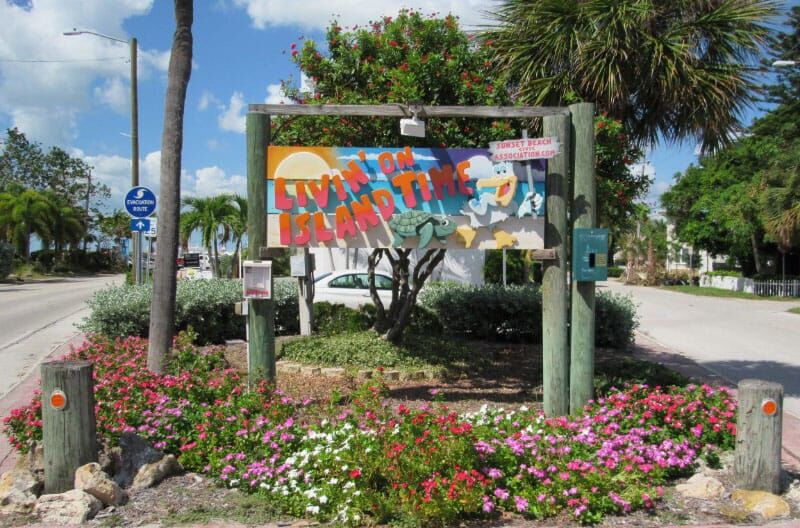
Enjoy Treasure Island activities
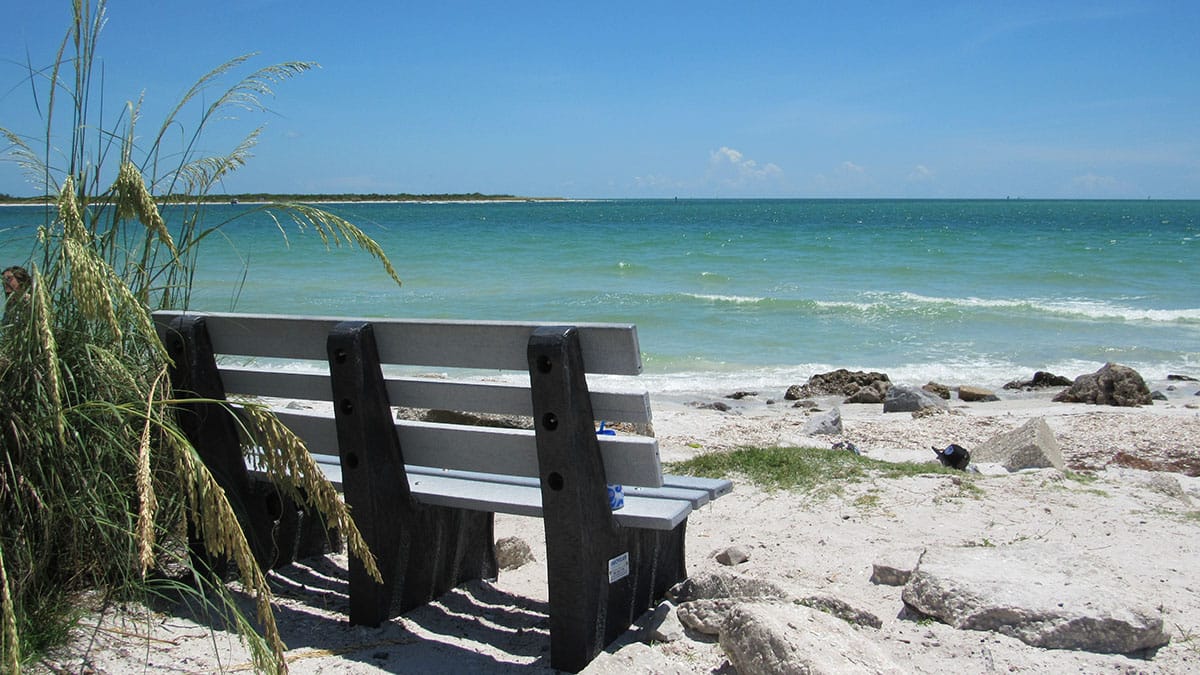
Located near some of Tampas best beaches

Become a member of the family
Long-term alcohol use often reshapes daily life subtly, not dramatically.
People describe:
When alcohol is removed with proper support, many people are surprised by how much clarity and energy return—even before deeper therapy begins.
Alcohol use doesn’t stay contained inside one person.
Families often feel the effects first:
Work and professional life can be affected in quieter ways—reduced resilience, lower tolerance for stress, and burnout that doesn’t resolve with time off.
At Footprints, we view alcohol use as a system issue, not just an individual one. Sustainable recovery almost always includes education, support, and repair within the larger family and work context.
In the United States, alcohol is legal, normalized, and frequently encouraged. Because of that, many people delay asking for help far longer than they would with other substances.
We’re seeing increasing alcohol-related concerns among:
By the time people reach out, they’re often not in crisis—they’re tired. Tired of managing symptoms. Tired of carrying something that used to feel manageable.
There is no single moment where alcohol treatment “works.” It unfolds.
Effective care typically includes:
Recovery isn’t about removing alcohol and hoping for the best. It’s about rebuilding capacity—mentally, emotionally, and physically.
>
Footprints was intentionally designed to stay small. That decision shapes everything.
Treatment here is not standardized. It’s reassessed continuously. Plans change when people change. Clients aren’t moved through a preset track—they’re met where they are and guided forward deliberately.
Alcohol treatment at Footprints includes:
The beach isn’t therapy. It’s context. A quieter nervous system allows deeper work to happen.
One of the most common questions we hear is, “Is it bad enough yet?”
That question usually delays care unnecessarily.
Early signs that support may help include:
Earlier intervention often means less disruption, fewer medical risks, and a smoother recovery process.
Reaching out doesn’t mean committing to treatment. It means getting accurate information from people who understand how alcohol use actually shows up in real lives.
Footprints Beachside Recovery works with individuals and families in Treasure Island and St. Petersburg, Florida, as well as those willing to travel for care that prioritizes calm, clinical integrity, and long-term stability.
Help doesn’t have to start at rock bottom.
And recovery doesn’t have to feel like punishment to be effective.
If you’re searching for alcohol addiction treatment in St Petersburg, alcohol rehab near Tampa, or a program that balances clinical care with a calmer setting, the next step doesn’t have to be a commitment.
A confidential conversation can help determine:
We’ll answer honestly—even if that means recommending a different level of care.
Because the right program is the one that works after you leave—not just while you’re here.