Suboxone can save lives — and it’s not meant to be the entire solution. At Footprints Beachside Recovery, we use Suboxone as a clinical tool within a structured, individualized recovery plan — not as a standalone answer. This page is designed to help individuals, families, and referral partners understand how Suboxone works, where it helps, where it can fall short, and how it fits into real, sustainable recovery.
Suboxone reduces withdrawal and cravings, but it does not treat the underlying causes of opioid addiction.
Suboxone is a medication that combines buprenorphine (a partial opioid agonist) and naloxone. In plain terms:
This makes Suboxone highly effective for stabilizing people coming off opioids such as fentanyl, heroin, or prescription pain medications. It can prevent acute withdrawal, reduce overdose risk, and create enough physical stability for someone to engage in treatment.
What Suboxone does not do is address trauma, mental health conditions, behavioral patterns, or environmental triggers that drive opioid use. Medication can open the door — recovery work has to happen inside the room.
Suboxone works best when it supports early stabilization, not when it replaces comprehensive treatment.
Many people arrive at treatment terrified of withdrawal. That fear is valid — especially for those coming off fentanyl, where withdrawal can be intense and unpredictable. Suboxone allows the nervous system to calm enough for the brain to begin functioning again.
Clinically, we view Suboxone as a bridge:
Problems arise when Suboxone becomes the entire plan. Pill-only clinics often stabilize patients physically but leave them without support, accountability, or a path forward. Over time, this can lead to long-term dependence without meaningful recovery.














Let us do the heavy lifting to call & verify your insurance. We are in-network with most major insurance carriers including Aetna, BlueCross BlueShield, Cigna, Humana, as well as many others. Don’t see your insurance? We work with dozens more, so don’t worry just call.
We are here to help you and your family figure this out.
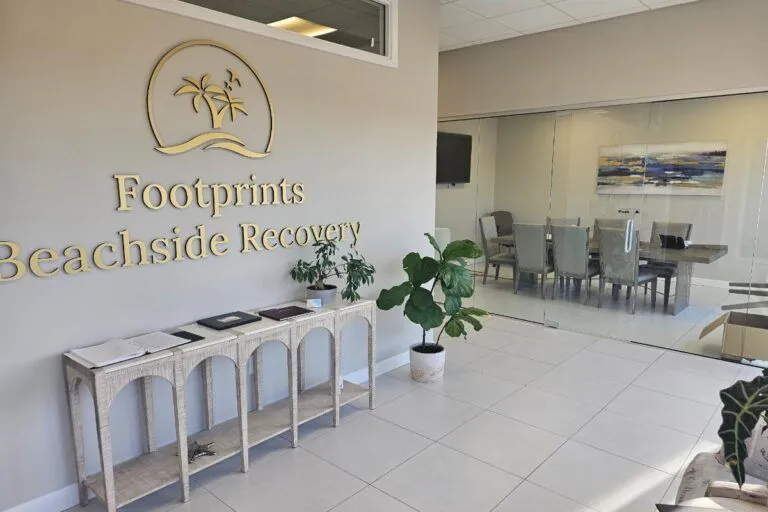
Supporting those who live in the area and those looking to recover on the beach

Enjoy the calm waters of The Gulf of Mexico while you heal mind, body & spirit
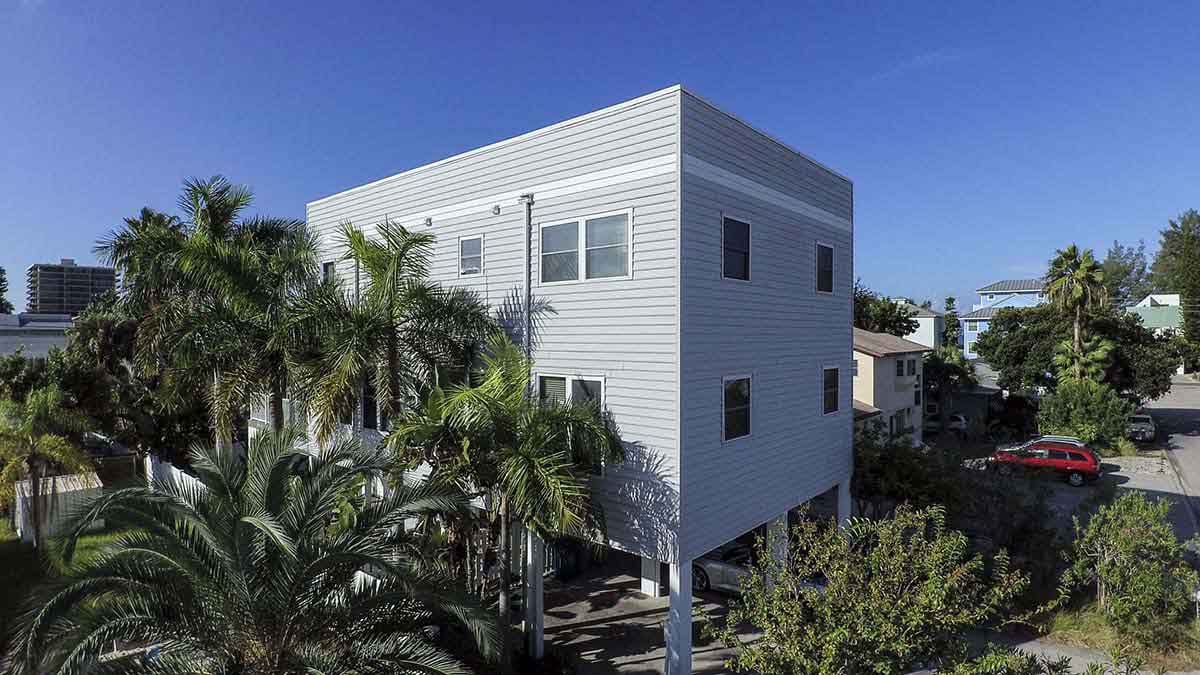
Just steps to beautiful white sand beaches
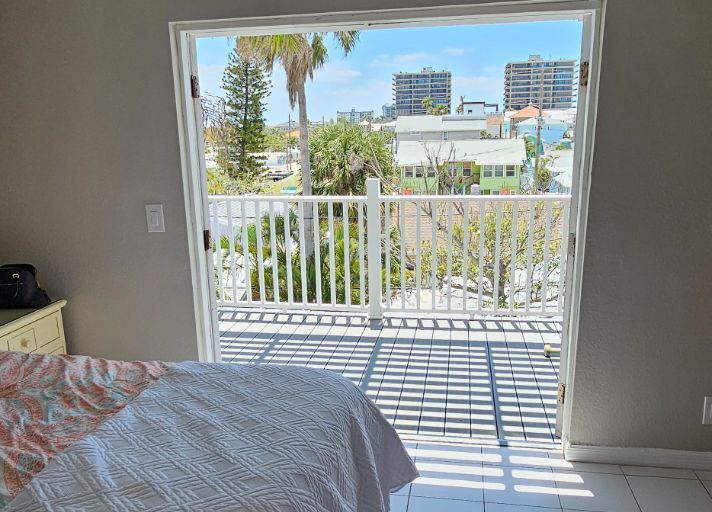
Recently renovated women’s property with beautiful views and ocean breezes

Short walk to the sea and local shopping areas
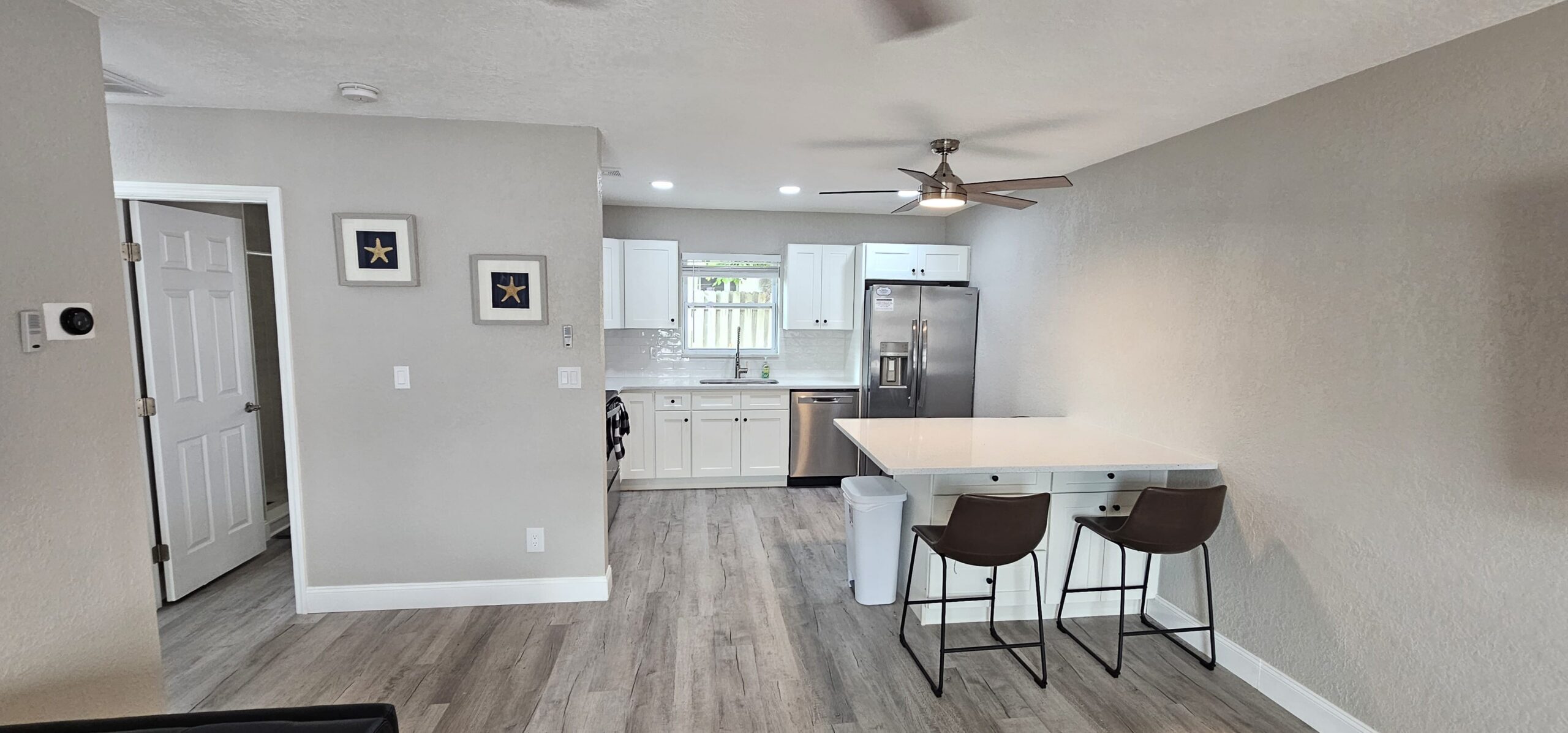
Newly renovated interior with modern kitchen
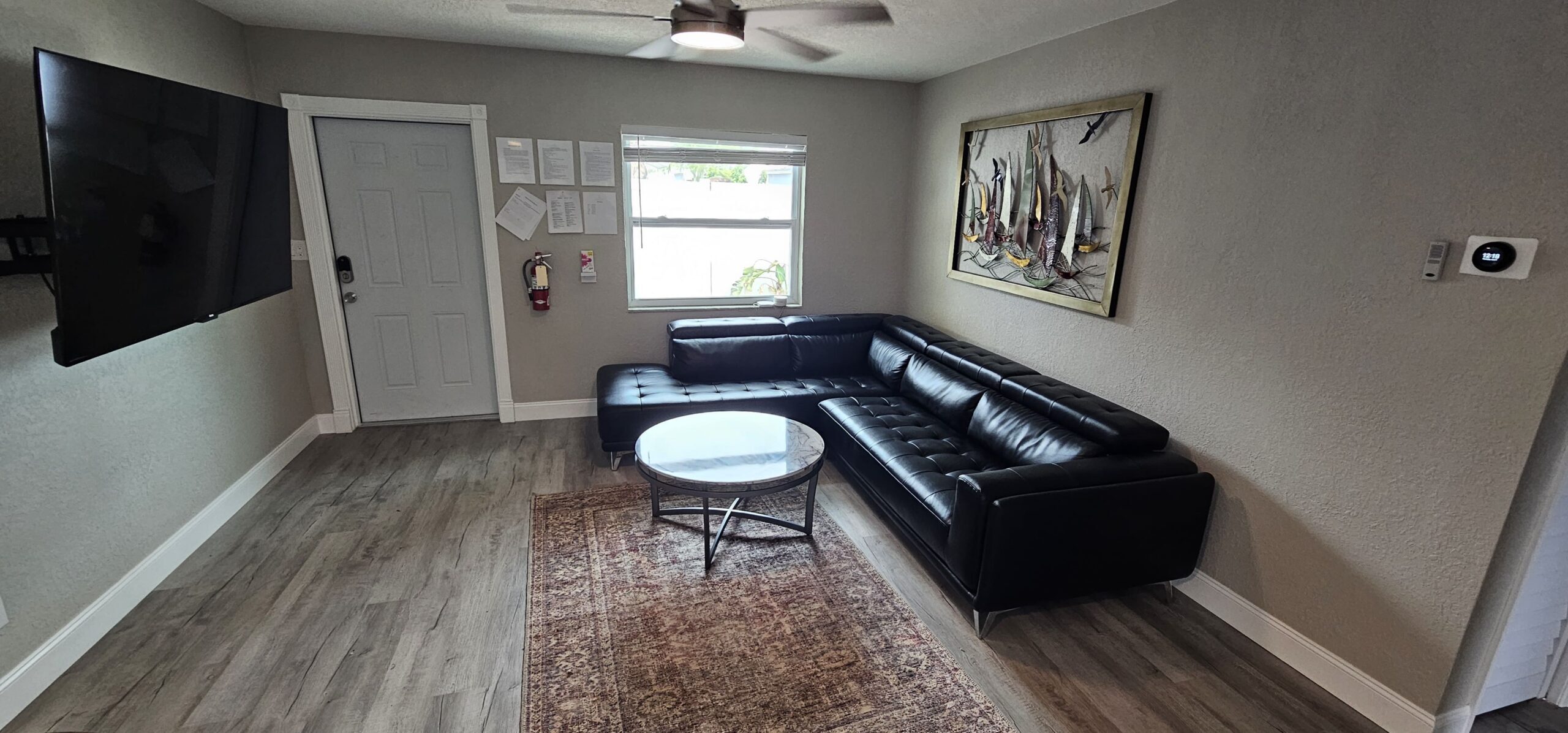
Comfortable common areas to watch the game, relax & reflect

Quiet bedrooms to recover throughout your stay with us

Drone footage from our office
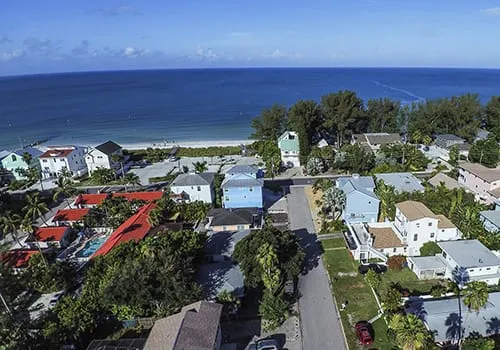
Drone footage from our beachside house
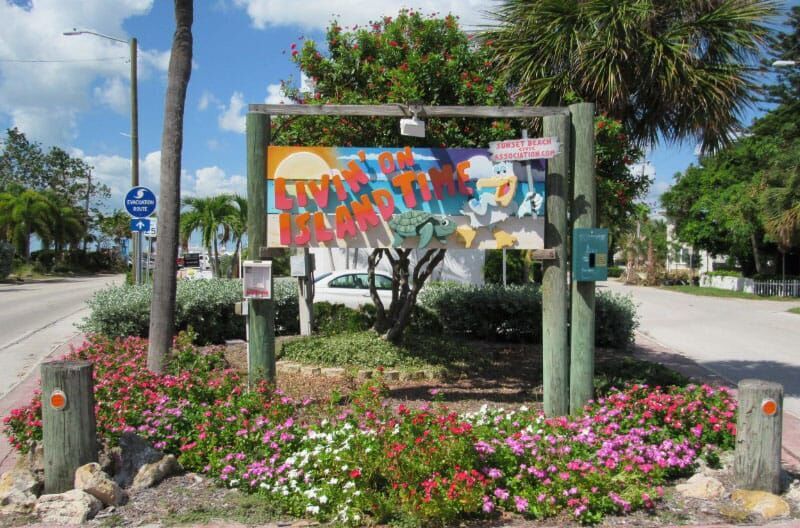
Enjoy Treasure Island activities
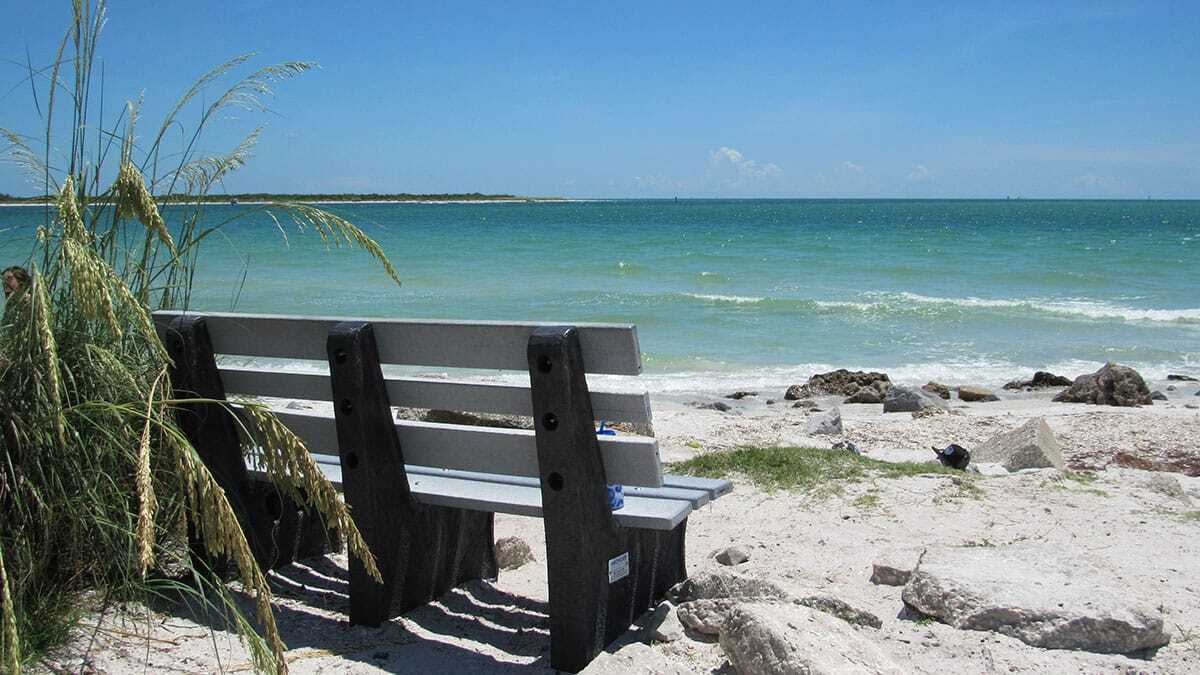
Located near some of Tampas best beaches

Become a member of the family
There is a critical difference between using Suboxone to stabilize and becoming reliant on it indefinitely.
Short-term stabilization focuses on safety and engagement in care. Long-term dependence happens when:
Some individuals do require longer-term medication support — and that decision should be made carefully, collaboratively, and with regular medical review. At Footprints, we do not default to lifelong Suboxone use. We also do not force rapid tapers that destabilize people.
The question we return to is: Is this medication still actively supporting recovery — or simply preventing discomfort?
Yes — Suboxone can cause physical dependence, and it should be managed with the same respect as other opioids.
Buprenorphine is an opioid. While it is safer than full agonists, the body still adapts to it over time. Stopping Suboxone abruptly can lead to withdrawal symptoms such as:
This does not mean Suboxone is “bad” or that using it is a failure. It means the medication requires thoughtful oversight, clear goals, and ongoing evaluation — especially when used beyond early stabilization.
Opioid addiction is rarely just a chemical problem — and medication cannot resolve trauma, mental health, or behavioral drivers.
In our clinical experience, opioid use is often connected to:
Without therapy and structure, these factors remain active. Suboxone may reduce cravings, but it does not teach coping skills, process trauma, or rebuild daily routines. That work requires a treatment environment that addresses the whole person.
Suboxone is most effective when paired with therapy, medical oversight, and individualized planning.
At Footprints Beachside Recovery, Suboxone may be used as part of a broader care plan that includes:
Our goal is not to rush people off medication — or keep them on it unnecessarily. The goal is stability, progress, and long-term outcomes.
Confusion and fear around Suboxone are common — and understandable.
Families often ask:
These are reasonable questions. The answer depends on the individual, their history, and the structure around the medication. When Suboxone is part of a comprehensive program, it can support recovery. When it is used without oversight or planning, it can create new problems.
Suboxone is a strong option for many — but it works best when the right supports are in place.
A structured Suboxone program may be appropriate for individuals who:
It may not be appropriate for those seeking medication without accountability or those not ready to engage in treatment beyond prescriptions.
Medication should support recovery — not replace it.
We believe in reducing harm, respecting each person’s physiology, and avoiding one-size-fits-all approaches. That means:
It also means honest conversations about readiness, progress, and next steps.
You don’t have to figure this out alone.
If you or someone you love is using Suboxone — or considering it — and wants a clear, medically sound path forward, our team can help. A confidential clinical screening can clarify whether Suboxone, additional treatment, or a more structured program is appropriate.
Support, clarity, and safety come first. When you’re ready, we’re here to talk.