Valium is rarely the medication people expect to struggle with.
It’s longer-acting. Smoother. Often prescribed for years with the reassurance that it’s “easier” on the system than other benzodiazepines. Many of the people who come to us were never chasing a high—they were following medical advice and trying to function.
At Footprints Beachside Recovery, we work with individuals and families who are beginning to realize that long-term Valium use has quietly changed how their nervous system works—and who want clarity about what to do next without being rushed, judged, or frightened.
This is not a crisis page.
It’s a page about understanding what’s happening and approaching it correctly.
Valium’s long half-life is both its strength and its risk.
Because it stays in the body longer, it tends to produce fewer dramatic ups and downs. That stability can mask the gradual adaptations taking place in the brain. Over time, the nervous system begins to rely on Valium to maintain equilibrium.
We commonly see people who:
When doses are delayed or reduced, symptoms appear—not because the original anxiety is “worse,” but because the brain has adjusted to constant benzodiazepine signaling.
This distinction matters. And it’s where effective treatment begins.



Let us do the heavy lifting to call & verify your insurance. We are in-network with most major insurance carriers including Aetna, BlueCross BlueShield, Cigna, Humana, as well as many others. Don’t see your insurance? We work with dozens more, so don’t worry just call.
We are here to help you and your family figure this out.
Valium behaves differently than short-acting benzodiazepines—and treatment must reflect that
Valium is not Xanax with a longer name.
Its pharmacology means:
It accumulates gradually in the body
Withdrawal symptoms can be delayed rather than immediate
Reductions that seem small on paper can feel large in the body
The tapering process must be slower and more precise
These same qualities are why Valium is sometimes used intentionally within treatment—to stabilize the nervous system before carefully stepping down.
At Footprints, we don’t treat Valium as inherently “bad” or inherently “good.”
We treat it as a powerful medication that requires respect, structure, and oversight.
Long-term prescription use is not a moral issue—and doesn’t require extremes
Many people arrive believing there are only two options:
Stay on Valium indefinitely
Get off it as quickly as possible
Neither approach serves most people well.
Valium dependence is a physiological condition, not a failure of willpower. Treatment becomes appropriate when:
The dose no longer provides consistent relief
Anxiety, sleep, or cognition worsen over time
Fear of withdrawal begins driving daily decisions
Life feels narrower rather than more manageable
Our role is to slow the process down—not speed it up—and help clients understand what their body is communicating.
Safe Valium treatment prioritizes gradual tapering, not timelines
Valium withdrawal is not something to “push through.”
At Footprints, tapering is:
Individually designed based on duration, dose, and response
Monitored closely by medical and psychiatric providers
Adjusted week by week, not locked into rigid schedules
Supported with therapy and nervous-system regulation tools
In some cases, Valium remains part of treatment for a period of time. In others, it becomes clear that continued use is contributing to instability rather than preventing it.
The decision is clinical—not ideological.
Anxiety, trauma, and mental health must be treated alongside Valium dependence
Valium is often prescribed for a reason.
If the underlying anxiety, panic, or trauma is ignored, tapering becomes unnecessarily difficult. That’s why our Valium treatment program integrates:
Evidence-based therapies like CBT and DBT
Trauma-informed care when past experiences drive symptoms
Psychiatric evaluation and medication management
Non-benzodiazepine strategies for regulating the nervous system
When people learn how to calm their system without relying solely on medication, fear decreases—and confidence increases.
Why Footprints approaches Valium treatment differently
Long-term benzodiazepine care does not work in large, high-turnover settings.
Footprints is intentionally small so we can:
Monitor subtle changes in sleep, mood, and cognition
Reassess tapering plans in real time
Provide continuity with the same clinicians
Support professionals who need discretion and flexibility
Our beachside environment isn’t about escape—it’s about reducing baseline nervous system stress so the body can relearn balance.
That combination—clinical precision, time, and calm—is difficult to replicate.
A clear, calm next step starts with a private clinical assessment
If Valium has been part of your life for years and you’re unsure whether it’s still helping—or how to change course safely—you don’t need to decide everything today.
A confidential conversation with our clinical team can help clarify:
Whether dependence is present
What level of care makes sense
How tapering could be approached responsibly
What support would reduce fear along the way
There is a way forward that doesn’t involve panic or pressure.
It starts with understanding.

When you are ready we are here for you

Enjoy the calm waters of The Gulf

Just steps to beautiful white sand beaches

Short walk to the sea and shopping areas

Recently renovated property

Clean, comfortable & quiet

A place to cook and heal

Relax in common areas

Drone footage from our office

Drone footage from our beachside house
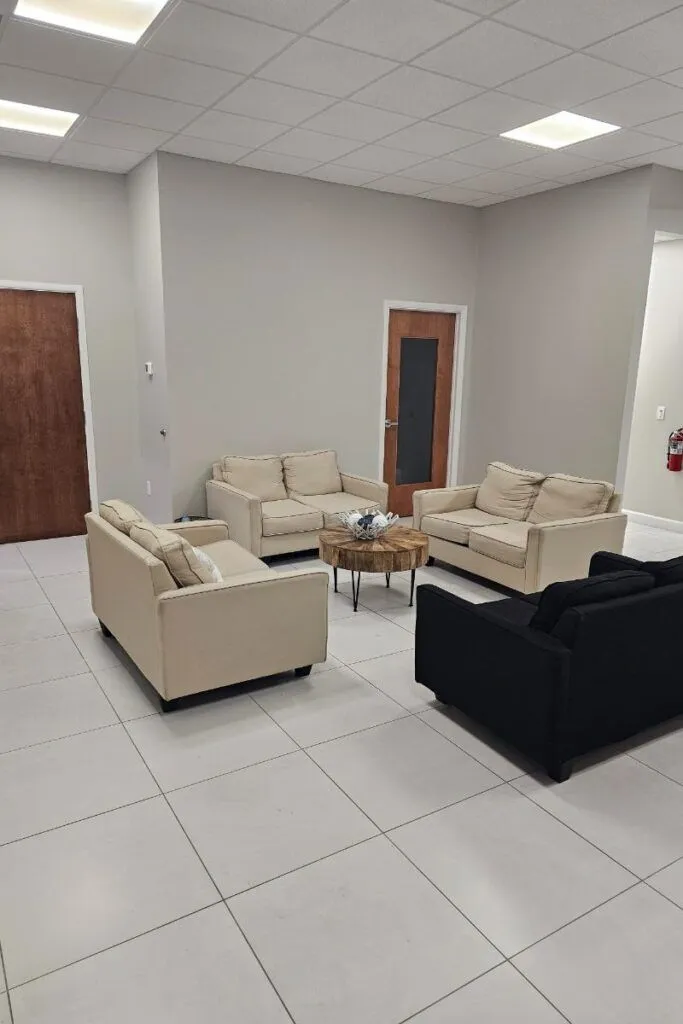
Comfortable accommodations at our officer

Enjoy Treasure Island activities

Located near some of Tampas best beaches

Become a member of the family