If Xanax dependence crept in quietly, you’re not alone and you’re not broken.
Most people who struggle with Xanax never intended to misuse it. It often begins as a legitimate prescription for anxiety, panic attacks, or insomnia. Over time, the brain adapts — and stopping suddenly can feel frightening or even dangerous.
At Footprints Beachside Recovery, we treat Xanax dependence with patience, medical precision, and respect for the anxiety that led to the prescription in the first place.
Xanax changes the nervous system faster than many people realize.
Xanax (alprazolam) is a short-acting benzodiazepine. It works quickly — and leaves the body quickly. That fast on/off cycle trains the brain to rely on it for calm.
Even when taken exactly as prescribed, many people begin to experience:
This is physiological dependence, not a character flaw or lack of willpower.
Stopping abruptly can be dangerous — and unnecessary.
Unlike opioids or alcohol, benzodiazepines act directly on the brain’s calming (GABA) system. When Xanax is removed too quickly, the nervous system can become overstimulated.
Risks of unsupervised or rapid withdrawal may include:
Safe treatment focuses on stabilization first, not shock detox.


Let us do the heavy lifting to call & verify your insurance. We are in-network with most major insurance carriers including Aetna, BlueCross BlueShield, Cigna, Humana, as well as many others. Don’t see your insurance? We work with dozens more, so don’t worry just call.
We are here to help you and your family figure this out.
The goal is stability — not speed.
At Footprints, Xanax treatment is built around slow, individualized tapering under medical oversight. This process is designed to reduce fear, minimize withdrawal symptoms, and allow the nervous system to recalibrate safely.
Tapering may include:
You may hear clinical terms explained in plain language:
There is no universal timeline — and that’s intentional.
If anxiety isn’t addressed, dependence often returns.
Many people seeking Xanax addiction help are high-functioning professionals who fear life without the medication. Effective treatment must support both the nervous system and the underlying anxiety disorder.
Care may include:
This dual focus is what distinguishes benzodiazepine treatment from opioid or alcohol rehab.
Benzodiazepines require patience, not pressure.
Xanax dependence is not treated with rapid detox protocols. Sustainable recovery depends on:
Our small program size and beachside setting allow for this level of attentiveness and care.
Treatment adapts as stability improves.
Depending on medical needs and daily responsibilities, care may include:
Each treatment plan is reviewed frequently and adjusted based on how the body and mind respond.
Fear and guilt are common — clarity helps.
Families often worry about seizures, relapse, or “doing the wrong thing.” Education and communication reduce panic on all sides.
Family involvement may include:
You don’t need to be in crisis to ask questions.
If you’re searching for:
A confidential clinical screening can help you understand your options — without commitment or judgment.
If Xanax has become harder to manage — or harder to stop — we’re here to talk.
Reach out for a private conversation with our clinical team and learn what safe, individualized Xanax treatment can look like.
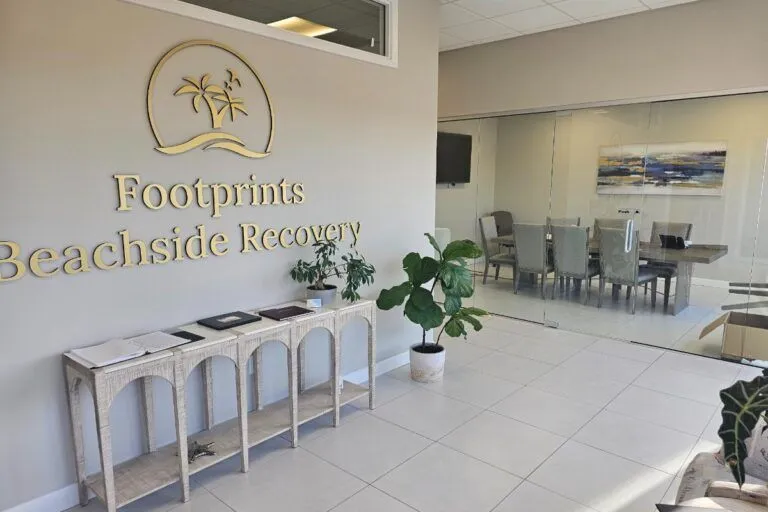
When you are ready we are here for you
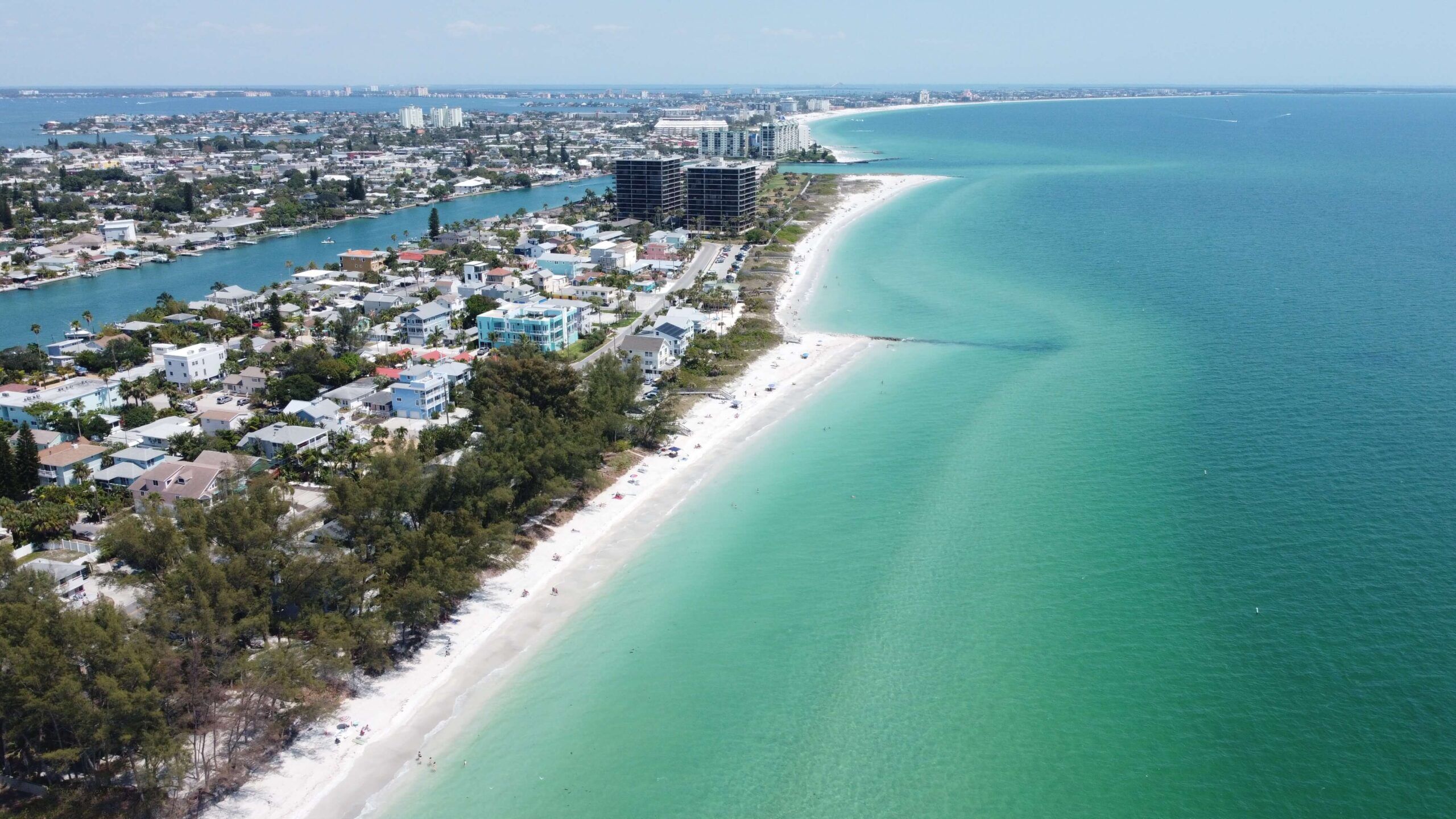
Enjoy the calm waters of The Gulf
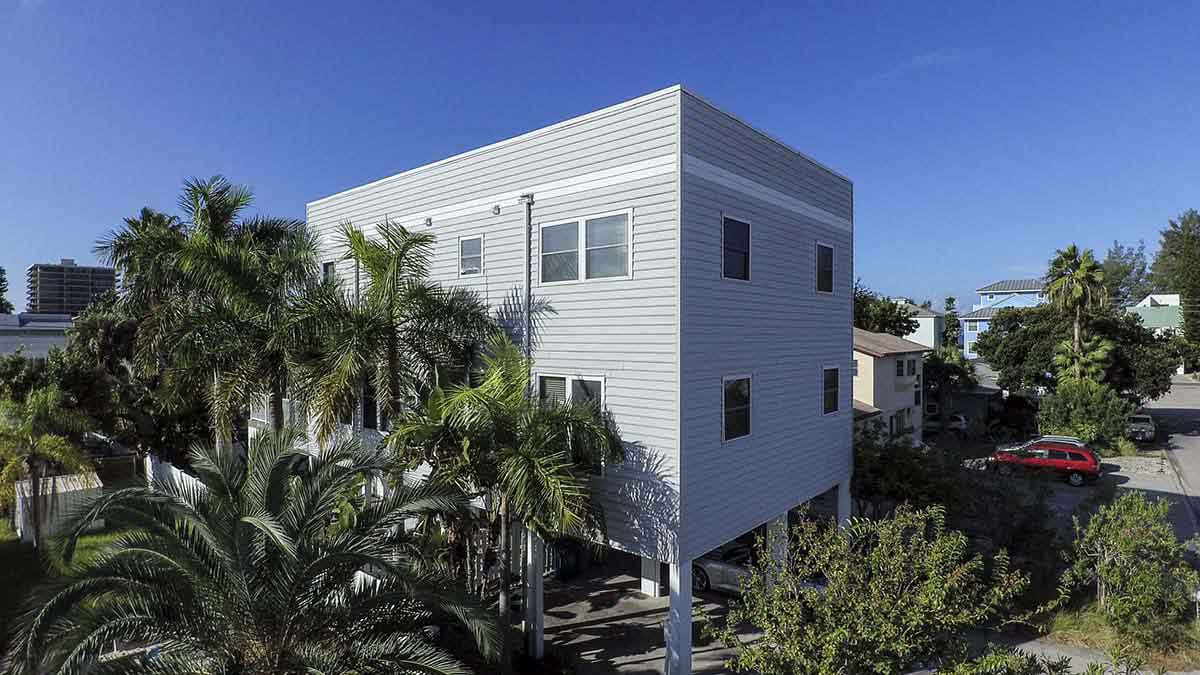
Just steps to beautiful white sand beaches
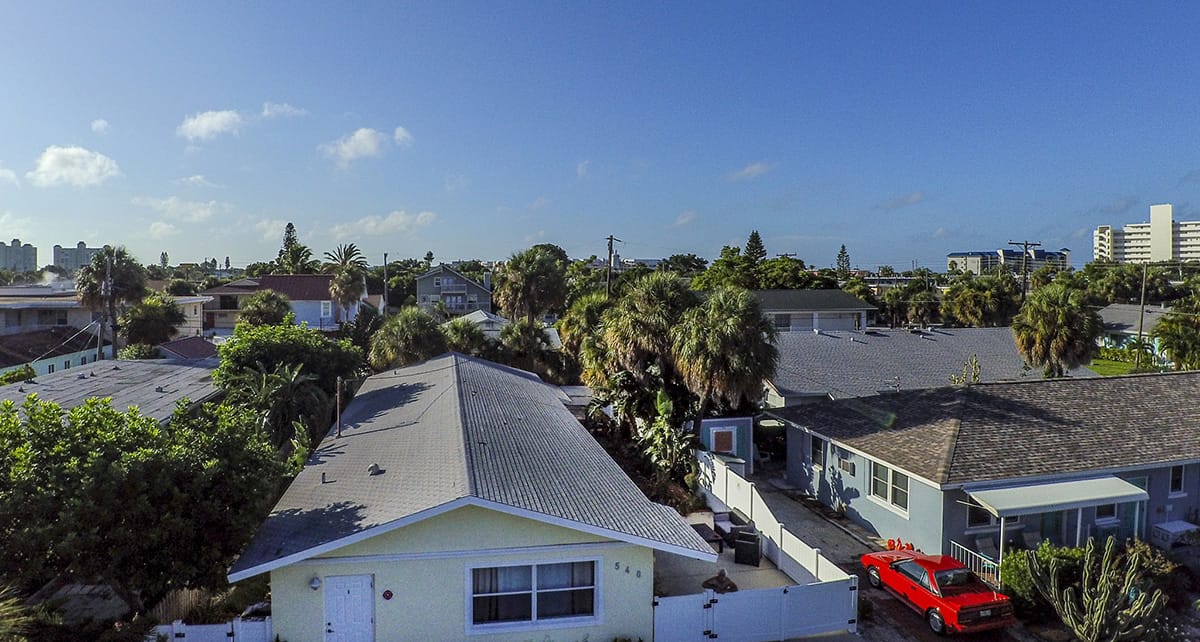
Short walk to the sea and shopping areas
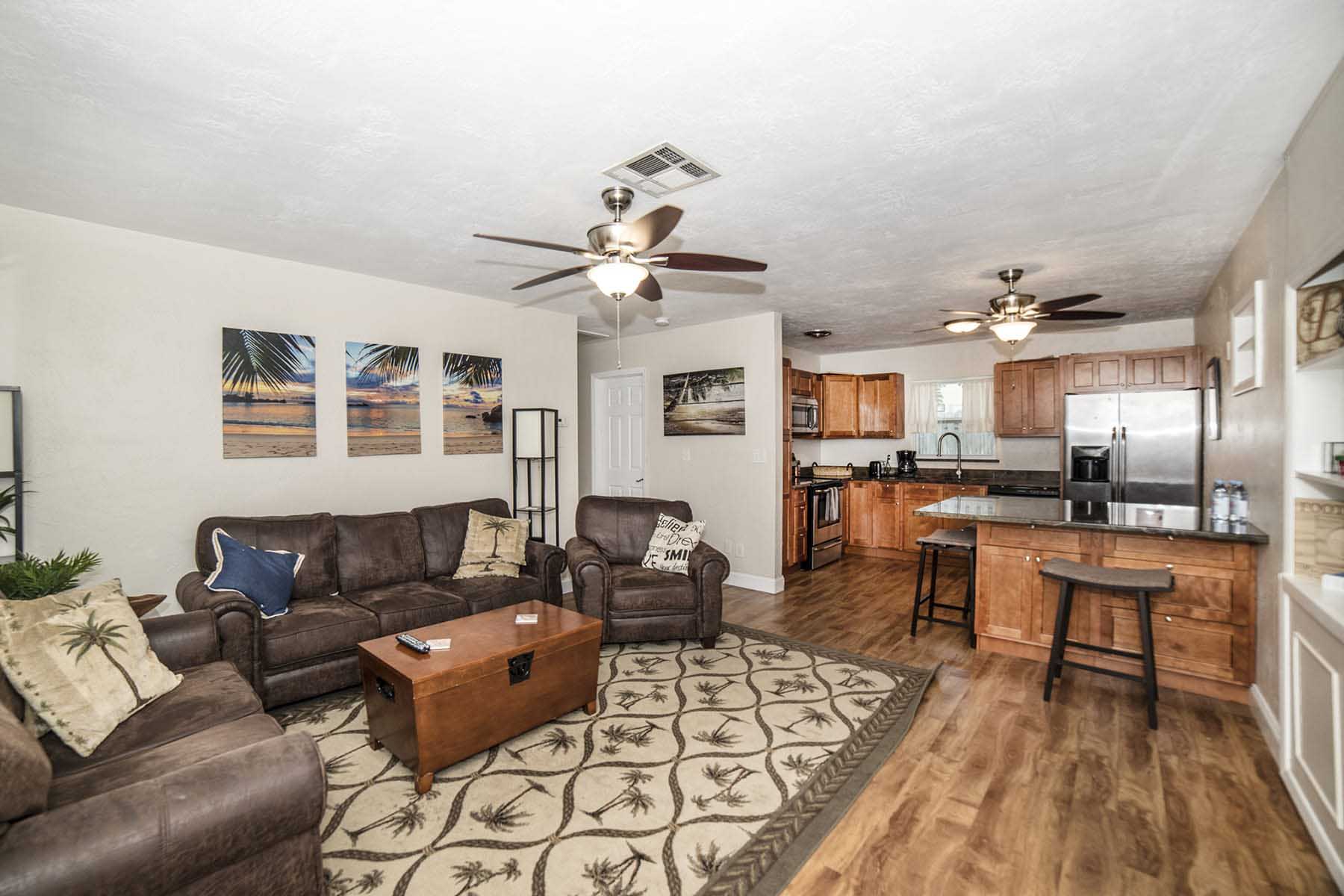
Recently renovated property
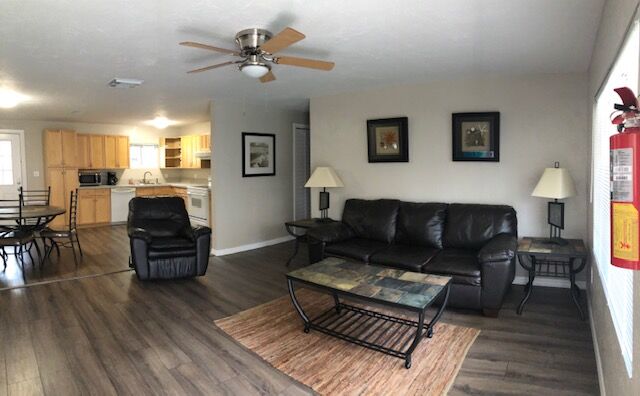
Clean, comfortable & quiet
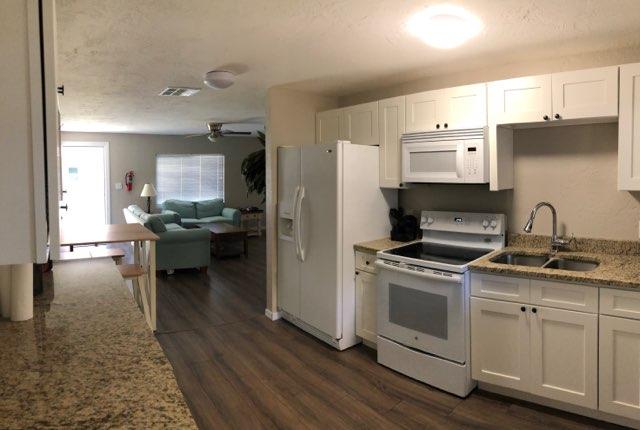
A place to cook and heal
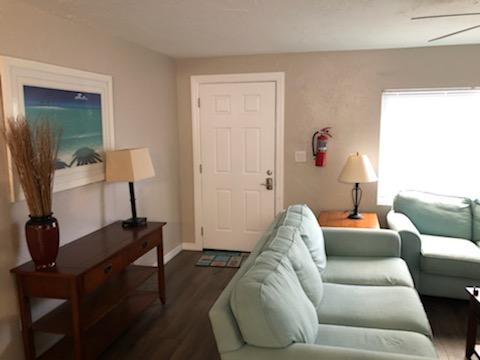
Relax in common areas
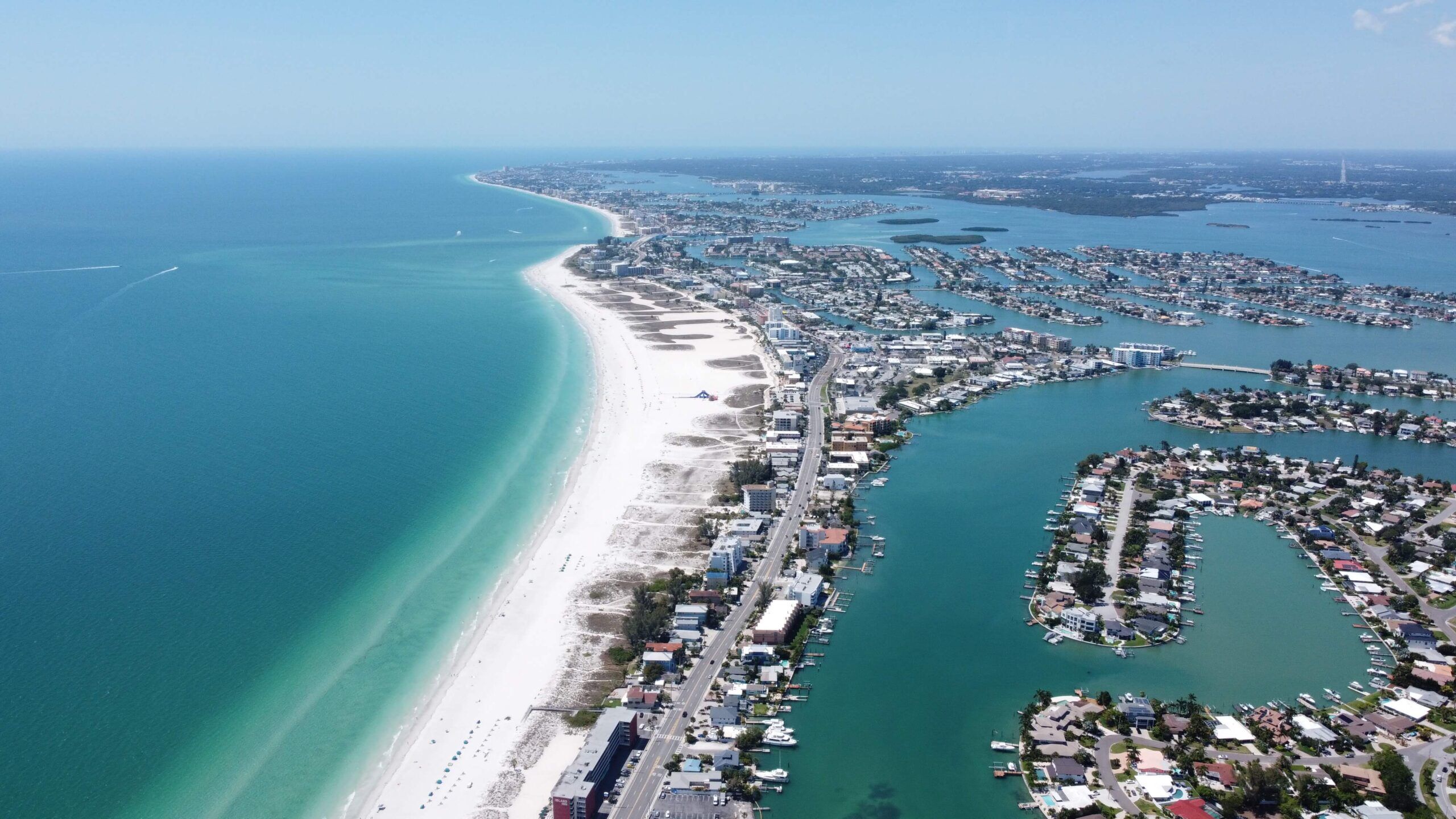
Drone footage from our office
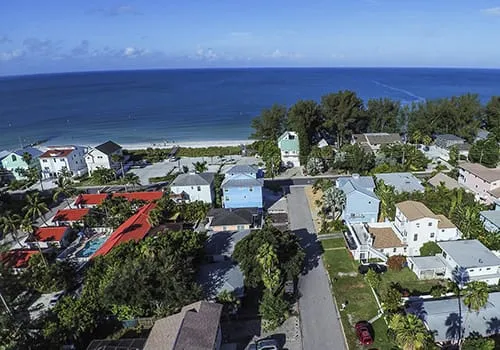
Drone footage from our beachside house
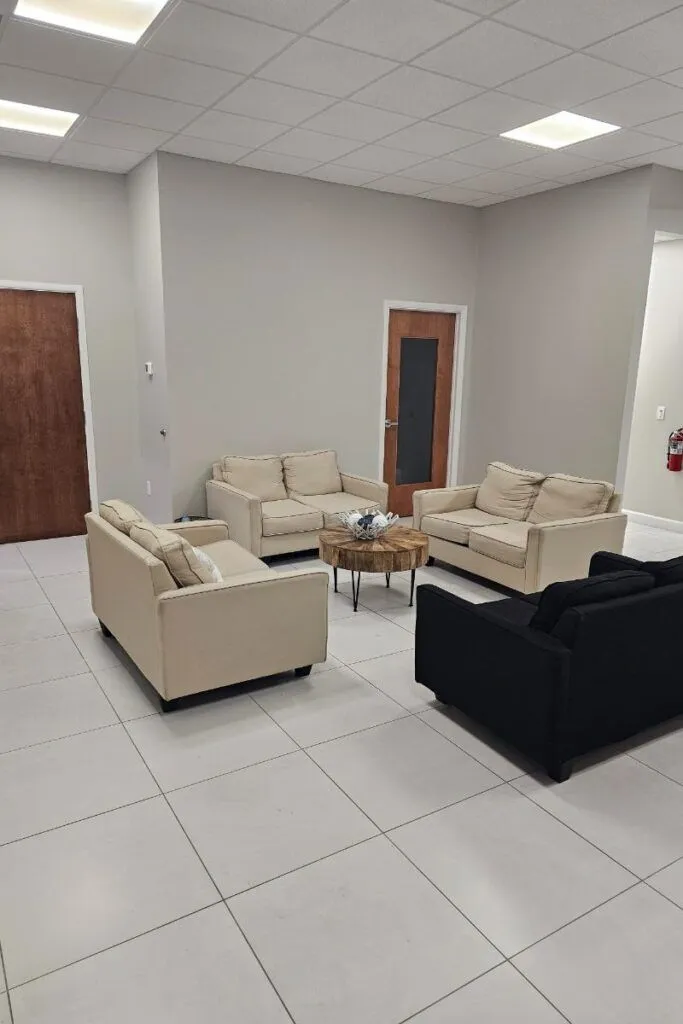
Comfortable accommodations at our officer
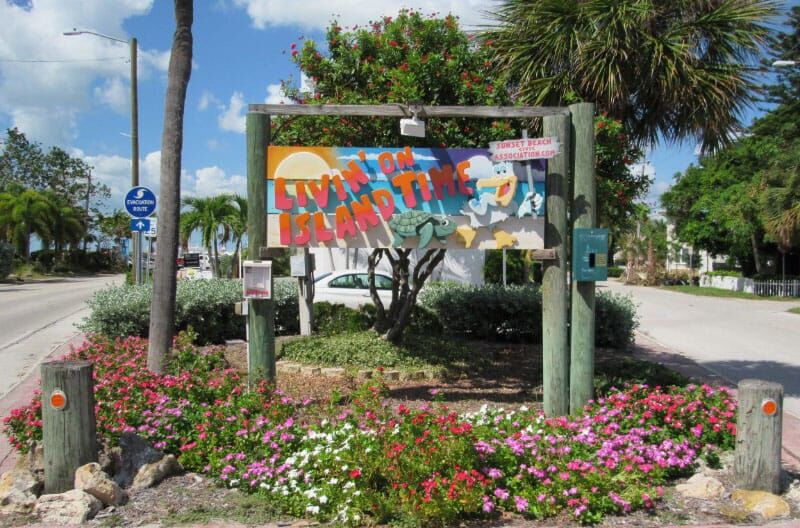
Enjoy Treasure Island activities
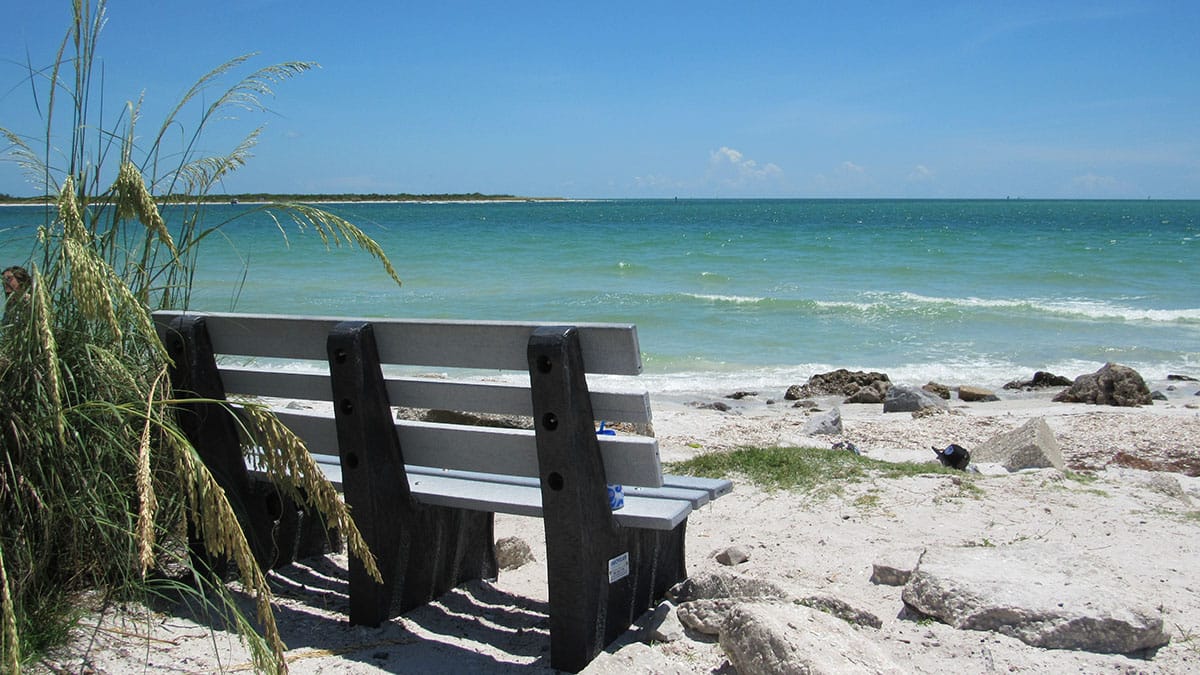
Located near some of Tampas best beaches

Become a member of the family