Trauma doesn’t usually announce itself loudly. It settles in quietly—in the body, in relationships, in the way sleep never quite feels restorative, or how calm feels just out of reach.
At Footprints Beachside Recovery, PTSD and trauma treatment is not treated as a checklist of symptoms or a diagnosis to manage. It’s treated as a human experience that deserves time, safety, and a setting that allows the nervous system to finally exhale.
This page is written for people who are wondering if what they’re living with “counts,” families who sense something deeper is happening beneath the surface, and referral partners who want clarity on how trauma-informed care actually works in practice.
Trauma isn’t defined by how extreme an event looks from the outside. It’s defined by what the body and brain were forced to do to survive.
For some people, trauma comes from a single overwhelming event. For others, it’s the accumulation of years—growing up in an unsafe home, living in constant stress, being responsible too early, or never having space to feel protected.
PTSD is one possible outcome of trauma, but many people never receive that label. Instead, they live with constant tension, emotional shutdown, reactivity, or exhaustion—and assume this is just who they are now.
At Footprints, trauma is understood as an injury to the nervous system, not a flaw in character or resilience.
Trauma is not just remembered—it’s carried.
When someone experiences trauma, the brain’s threat system learns to stay on high alert. Over time, this can make everyday life feel unsafe even when nothing is wrong. The body may stay braced. Sleep becomes lighter. Emotions feel either overwhelming or muted.
Many people who come to Footprints describe:
This is not a failure of coping. It’s the nervous system doing exactly what it learned to do to survive.
Most people don’t wake up one day and decide they need trauma treatment.
They come in because something else stopped working.
Sometimes it’s anxiety that keeps escalating. Sometimes it’s alcohol or medication that started as relief and slowly became necessary. Sometimes it’s burnout, relationship strain, or a body that no longer recovers the way it used to.
At Footprints, trauma treatment often begins when someone realizes:
These paths are common—and deeply human.













Let us do the heavy lifting to call & verify your insurance. We are in-network with most major insurance carriers including Aetna, BlueCross BlueShield, Cigna, Humana, as well as many others. Don’t see your insurance? We work with dozens more, so don’t worry just call.
We are here to help you and your family figure this out.
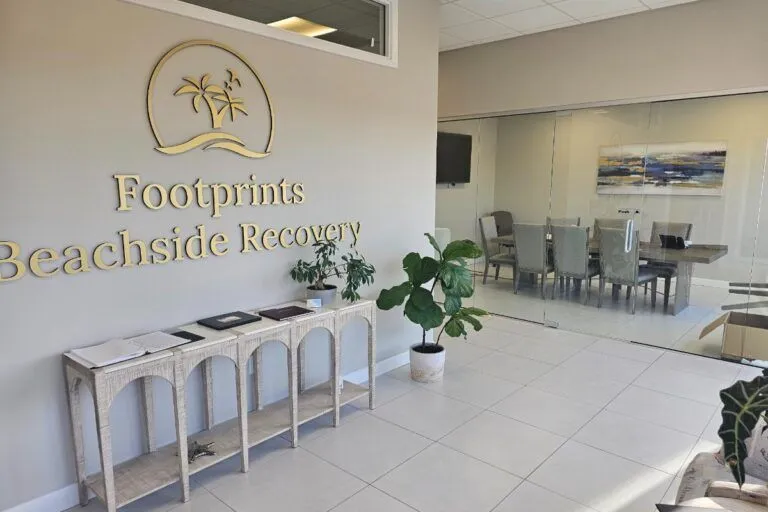
Supporting those who live in the area and those looking to recover on the beach
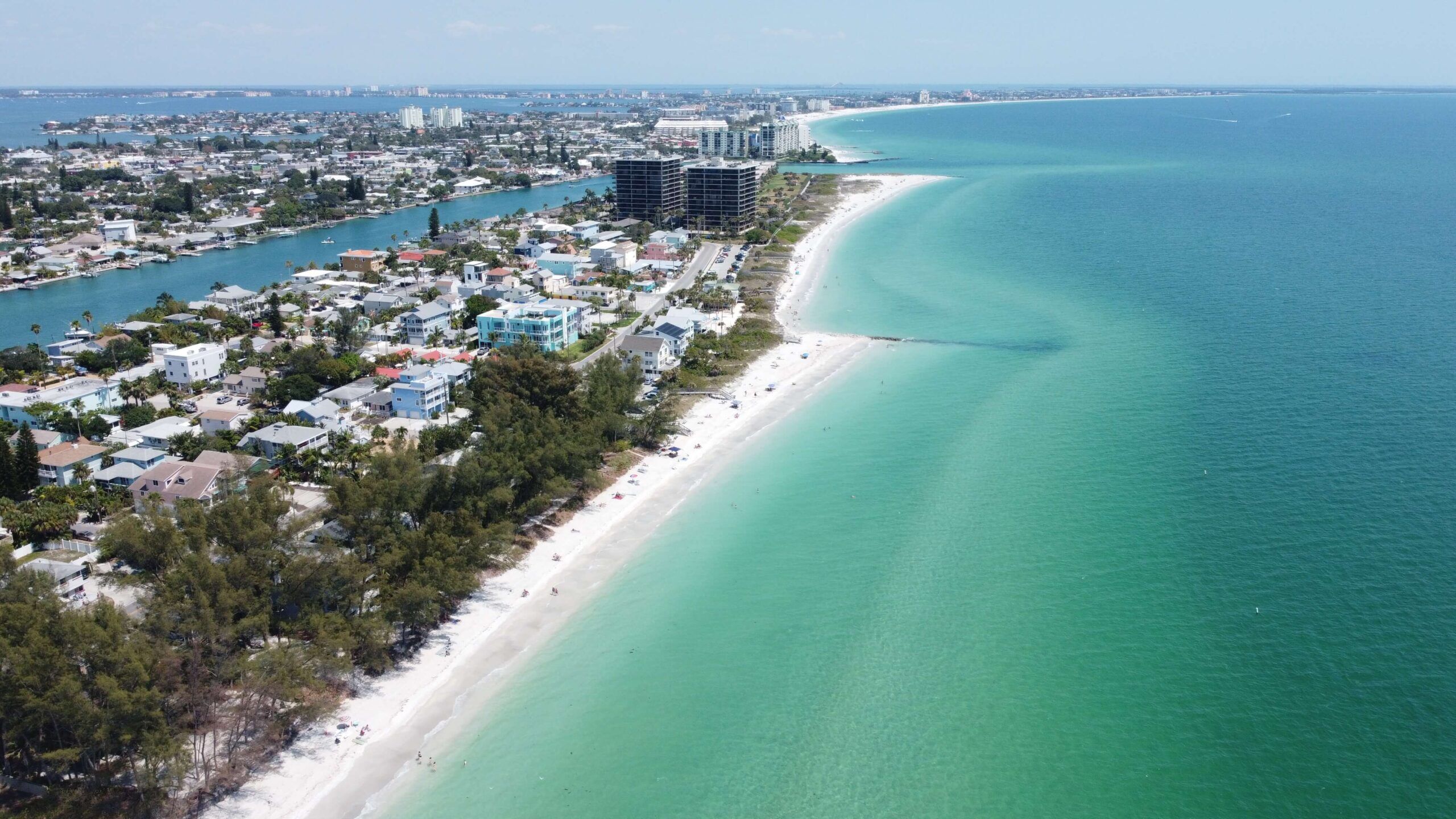
Enjoy the calm waters of The Gulf of Mexico while you heal mind, body & spirit
Just steps to beautiful white sand beaches
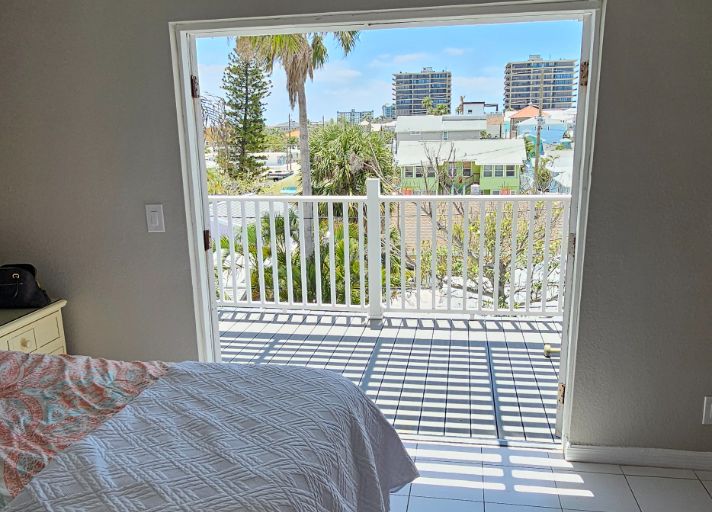
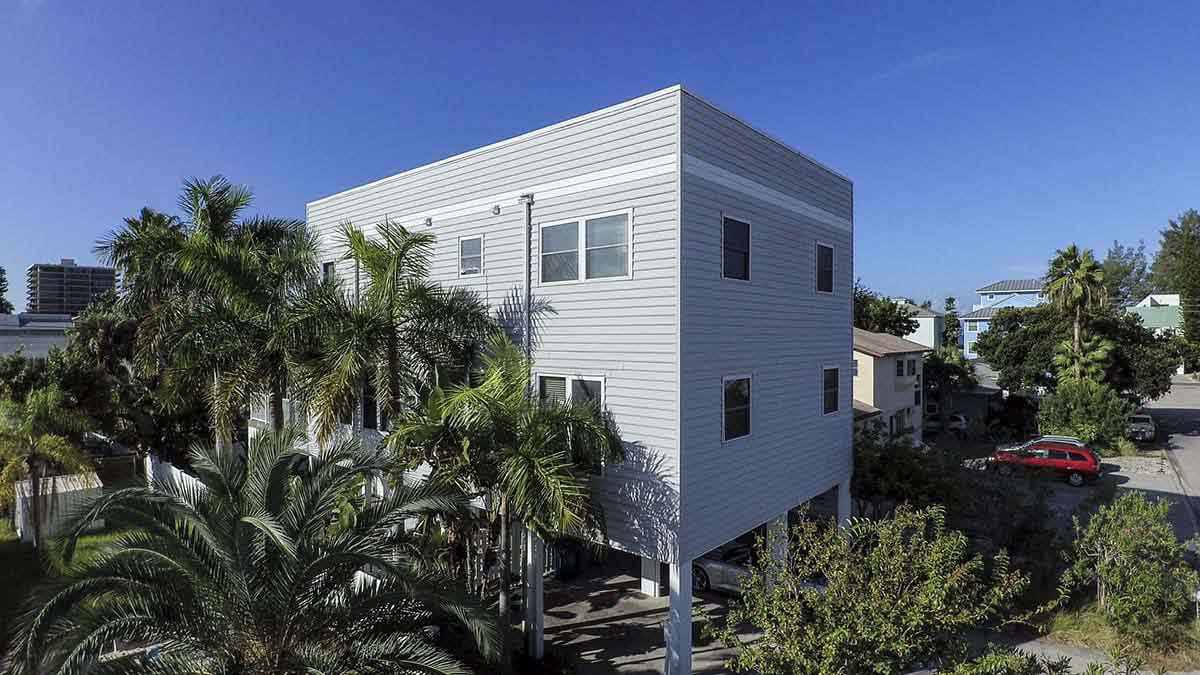
Recently renovated women’s property with beautiful views and ocean breezes
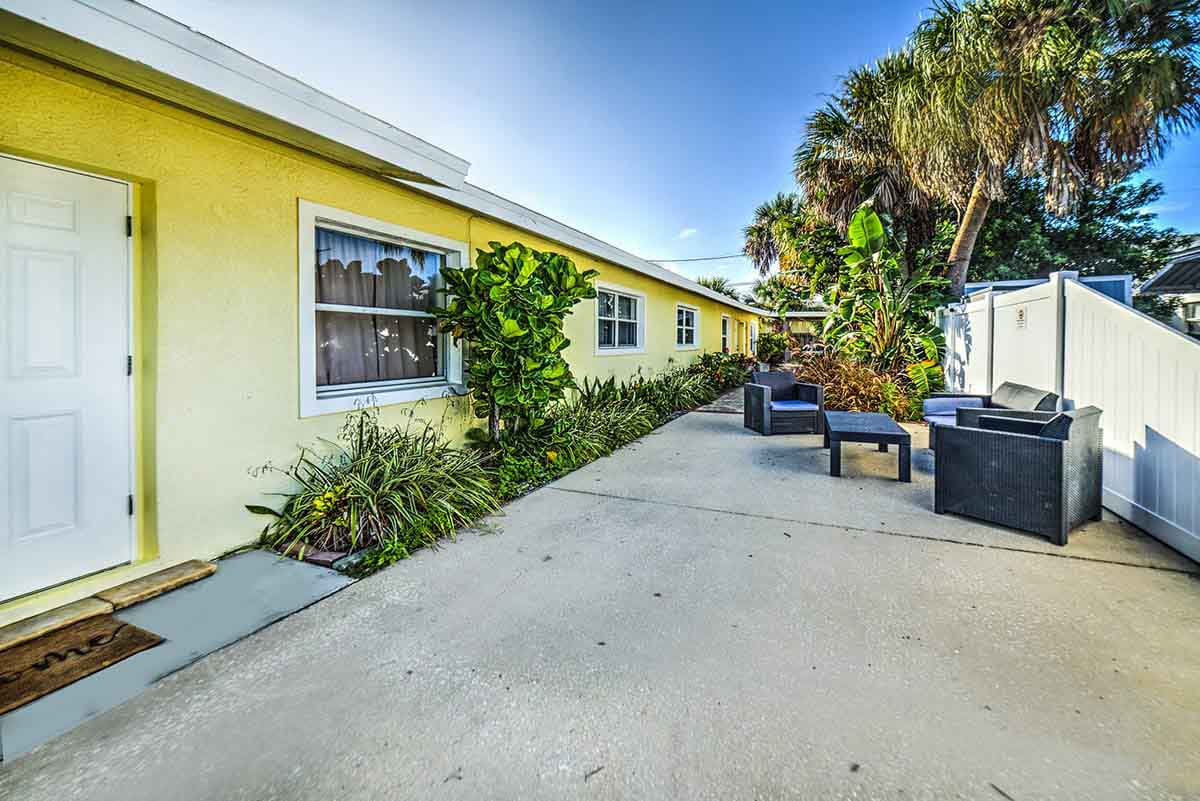
Short walk to the sea and local shopping areas
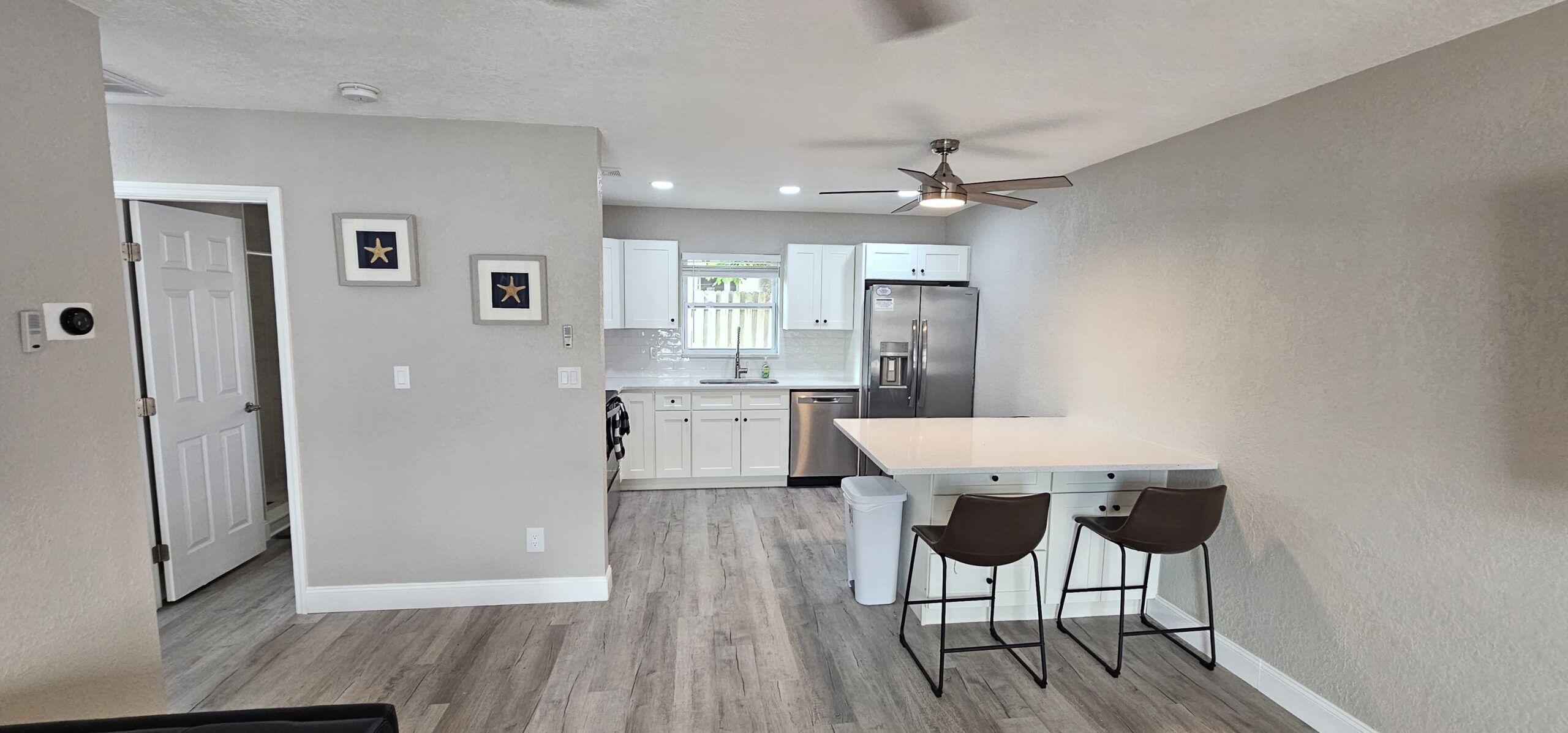
Newly renovated interior with modern kitchen
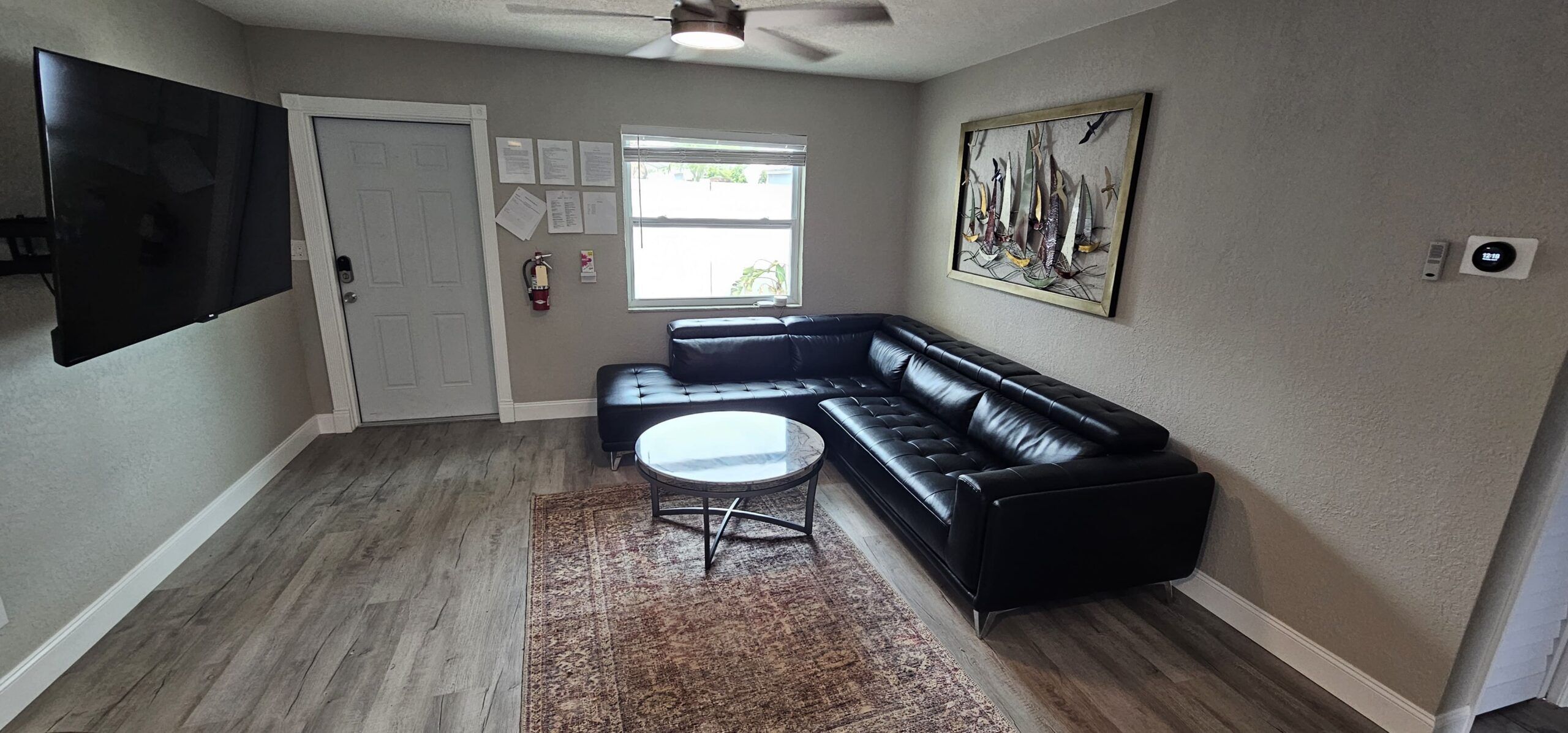
Comfortable common areas to watch the game, relax & reflect
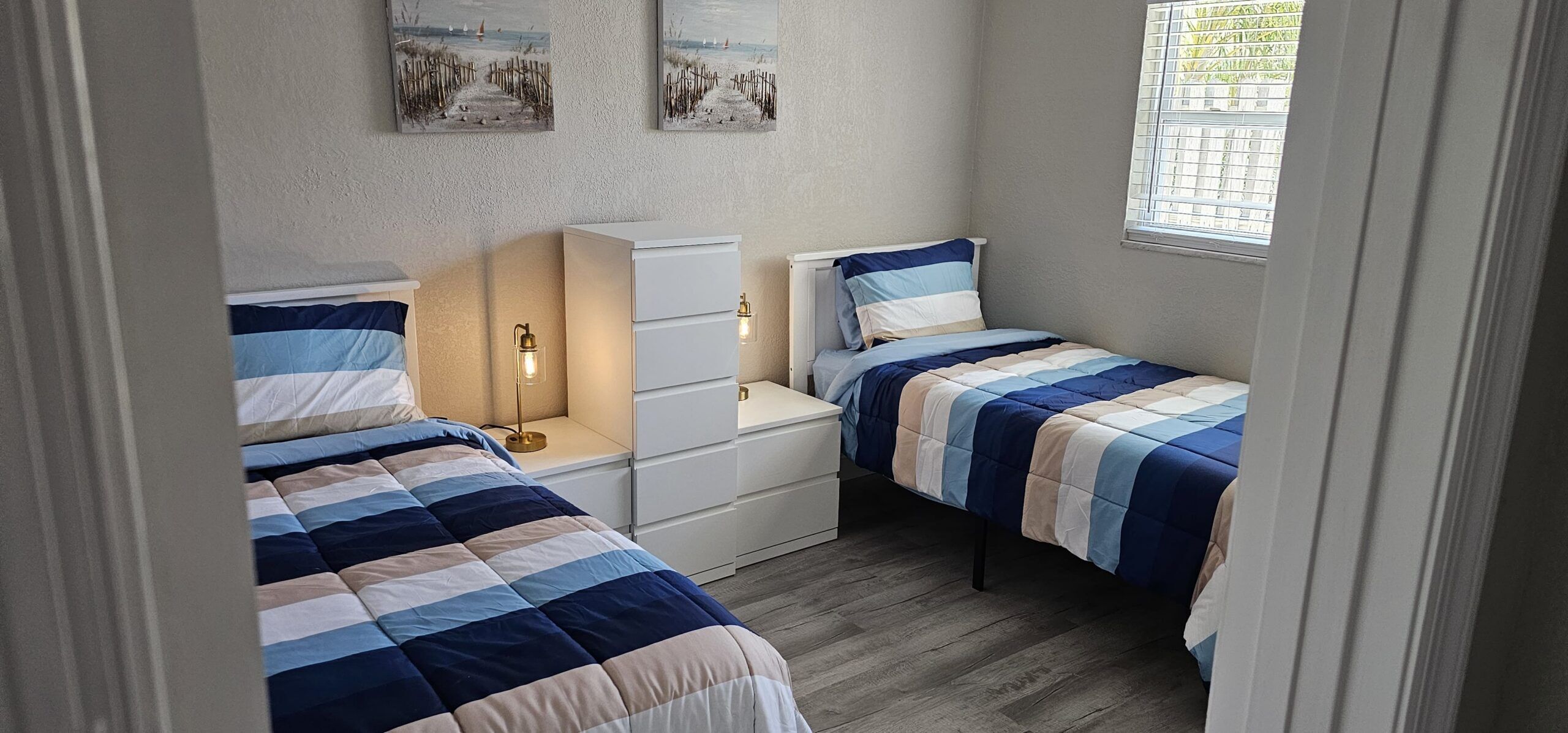
Quiet bedrooms to recover throughout your stay with us
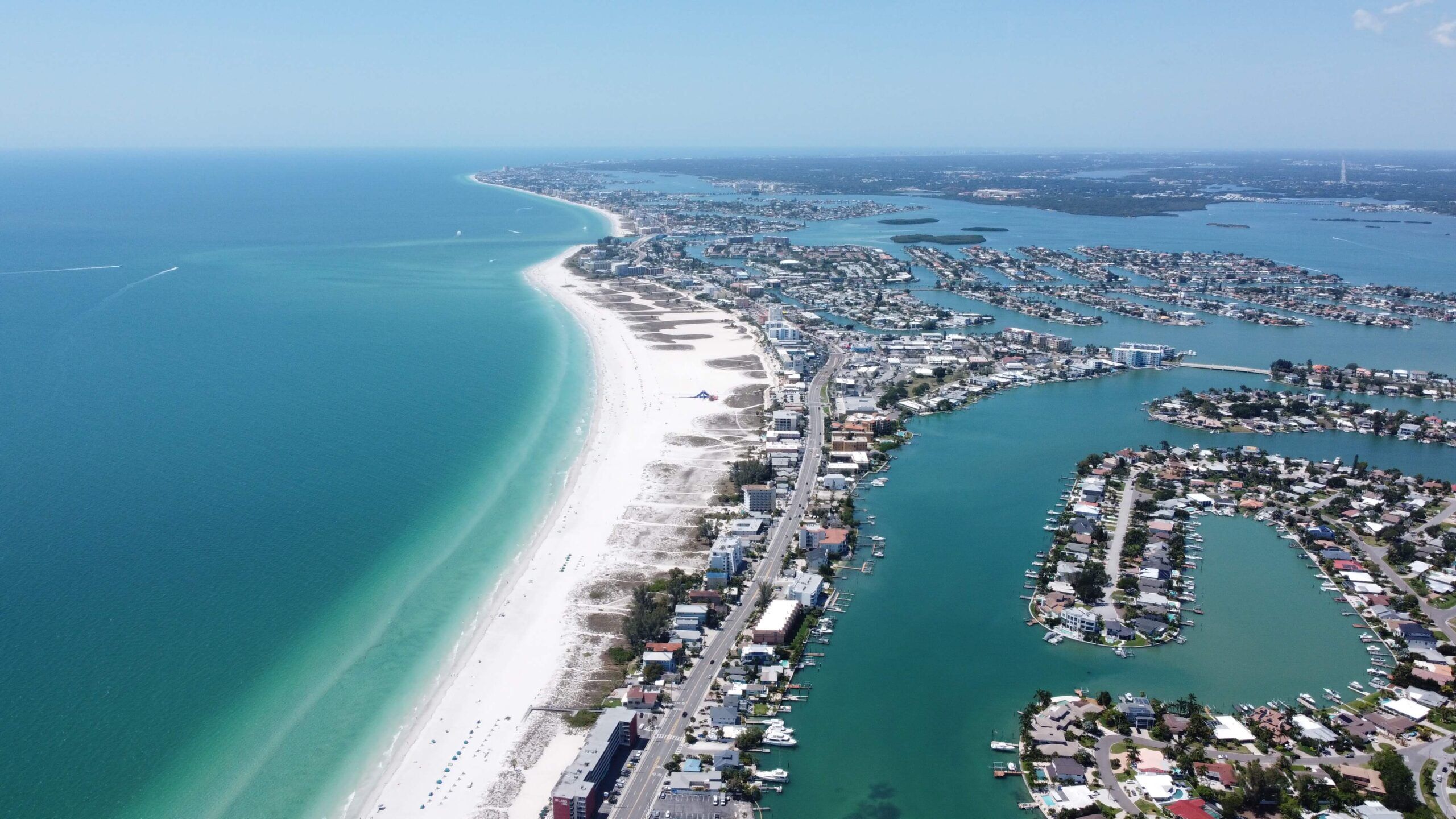
Drone footage from our office
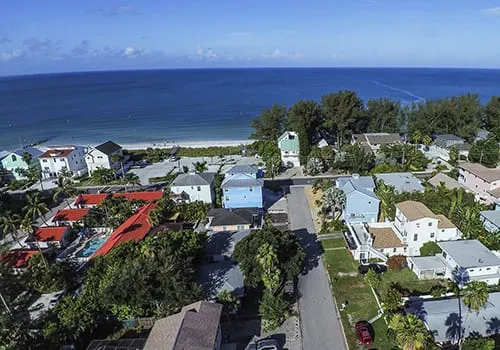
Drone footage from our beachside house
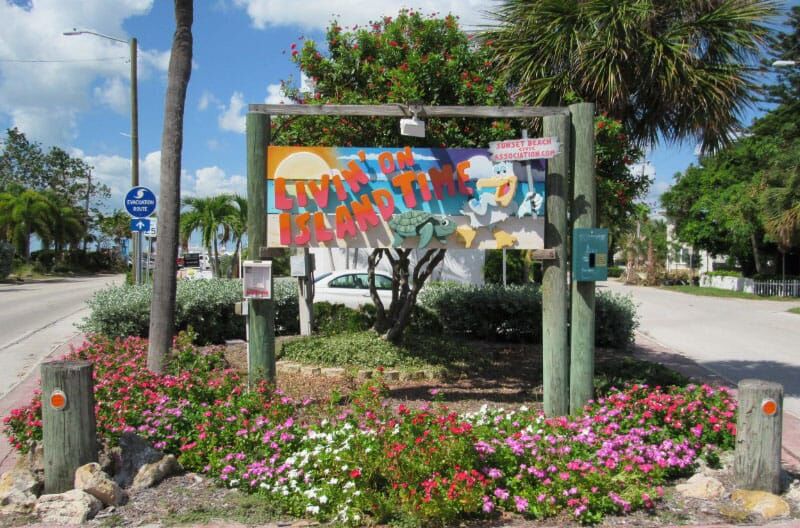
Enjoy Treasure Island activities
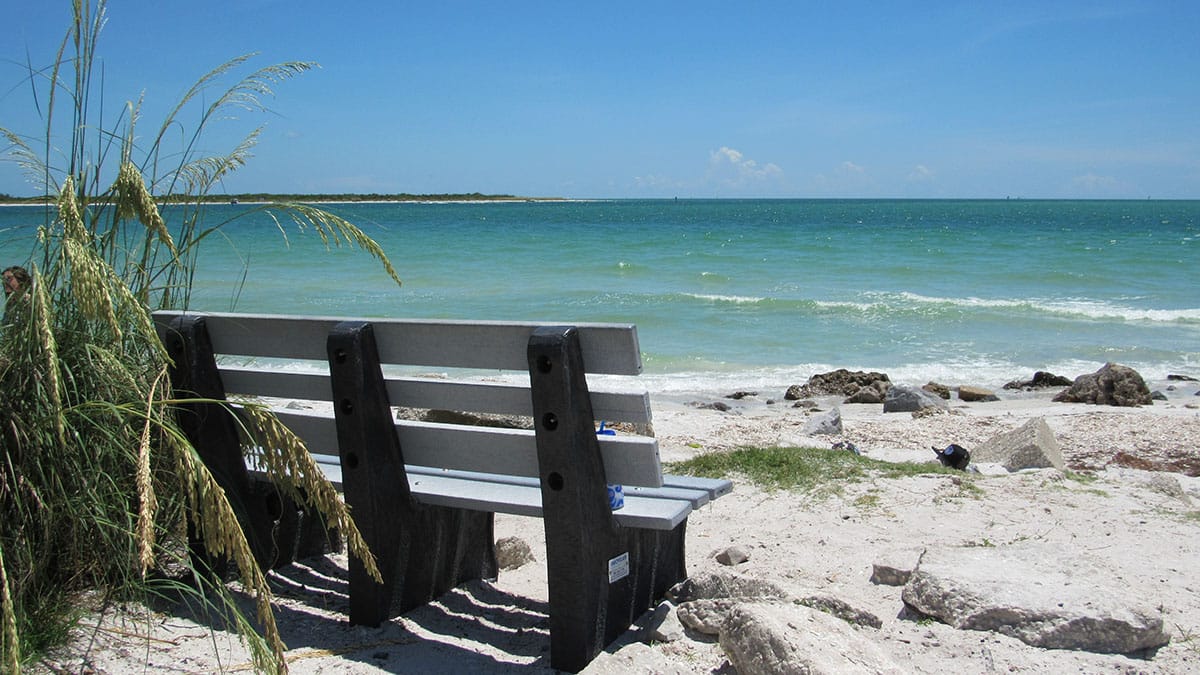
Located near some of Tampas best beaches

Become a member of the family
Trauma doesn’t stay contained. It shows up in patterns.
Over time, untreated trauma can quietly reshape daily life:
Families often notice the distance before the person does. Loved ones may sense disconnection, irritability, or withdrawal without understanding why.
This is where trauma-informed treatment becomes essential—not to “fix” someone, but to help their system recalibrate.
Trauma rarely affects just one person.
Partners may feel shut out. Parents may feel helpless. Children may sense emotional absence even when everything looks fine on the surface.
At Footprints, family systems are acknowledged as part of the healing process. When appropriate, families are invited into education and therapeutic conversations—not to assign blame, but to rebuild understanding, communication, and safety.
Healing trauma often changes how people show up for the people they love.
Trauma is far more common than most people realize.
In the U.S., trauma exposure is especially prevalent among:
Many people live decades without naming their trauma. They adapt. They push through. They succeed—until the body and mind ask for something different.
There is no single moment where trauma “goes away.” Healing happens through consistency, safety, and trust.
Effective trauma treatment often includes:
At Footprints, trauma treatment is not rushed. Stabilization comes first. Insight follows. Integration takes time.
This is where Footprints becomes unmistakably different.
Trauma treatment here is shaped by three core beliefs:
Footprints offers individualized trauma treatment in a calm, coastal setting near Treasure Island and St. Petersburg, Florida—where mornings may begin with a beach walk, and evenings offer space to decompress rather than overstimulate.
Care is intentionally personalized:
This is not a high-volume program. It’s a place where clinicians know their clients—and adjust treatment as healing unfolds.
Many people wait until trauma feels unbearable. It doesn’t have to reach that point.
Support may be helpful if:
Early intervention often makes treatment gentler, not harder.
Trauma recovery doesn’t require reliving every painful moment. It requires a setting where the body feels safe enough to change.
If you’re exploring trauma treatment for yourself or someone you love, Footprints Beachside Recovery offers guidance without pressure and care without judgment.
You’re invited to reach out to learn more about PTSD and trauma treatment options in the Treasure Island and St. Petersburg, Florida area—and to take a first step that’s rooted in understanding, not urgency.