Maybe cocaine temporarily relieved trauma or co-occurring conditions like depression and anxiety. But now you’re at the point of no return and don’t know how to turn. Luckily, we do. At Footprints Beachside Recovery, there is hope in recovering from cocaine addiction. From our personal experience with addiction, we know what it takes to restore your life after substance use. Substance abuse treatment in Florida is designed to fit your specific needs and provide you with the one-on-one attention you deserve. If you’re interested in learning more about cocaine addiction treatment in Tampa, Florida, contact our Footprints Beachside Recovery team today by calling (727) 954-3908.
There isn’t a one-size-fits-all solution to recovery. Our cocaine addiction treatment program is crafted to address your unique triggers and reactions to addiction. We ensure that your experience here is focused on your physical, mental, and emotional needs. Within the first twenty-four hours of your arrival at our Florida cocaine rehab center, we’ll meet with you to evaluate your current state and get to the bottom of the pain you’re experiencing. You’ll also meet with our doctor and speak with one of our licensed mental health professionals.
After your initial evaluations, we’ll design a comprehensive cocaine recovery plan personalized just for you. Your program will include doctor visits and psychiatric evaluations, personalized supervision, nutrition, and holistic treatments.
People rarely come to us saying, “I’m addicted to cocaine.”
More often, they say something like:
That uncertainty matters. Cocaine use doesn’t usually arrive with a dramatic collapse. It tends to blend into life quietly—socially acceptable in some circles, invisible in others—until the cost shows up in ways that are hard to ignore. This page reflects how cocaine use actually shows up in real people’s lives, and how we treat it at Footprints.
Cocaine is a fast-acting stimulant that increases dopamine in the brain, creating short bursts of energy, confidence, and emotional lift. Early on, it can feel functional—even helpful. People often describe feeling sharper, more social, more “on.”
What we see clinically is that those effects don’t last. The brain adapts quickly. Dopamine production drops. Emotional regulation gets harder. What once felt optional starts to feel necessary—not because someone lacks willpower, but because their nervous system has been trained to rely on the drug to feel balanced.
That shift is rarely obvious from the outside. Many of our clients maintained careers, families, and social lives while slowly losing their sense of internal stability.
Cocaine overstimulates the nervous system. Over time, the body forgets how to regulate stress, motivation, and rest without chemical help.
This is why stopping often brings:
These aren’t signs of weakness. They’re signs of a nervous system that’s been pushed too hard for too long. At Footprints, treatment starts by respecting that reality—not fighting it.


Let us do the heavy lifting to call & verify your insurance. We are in-network with most major insurance carriers including Aetna, BlueCross BlueShield, Cigna, Humana, as well as many others. Don’t see your insurance? We work with dozens more, so don’t worry just call.
We are here to help you and your family figure this out.
When you are ready we are here for you
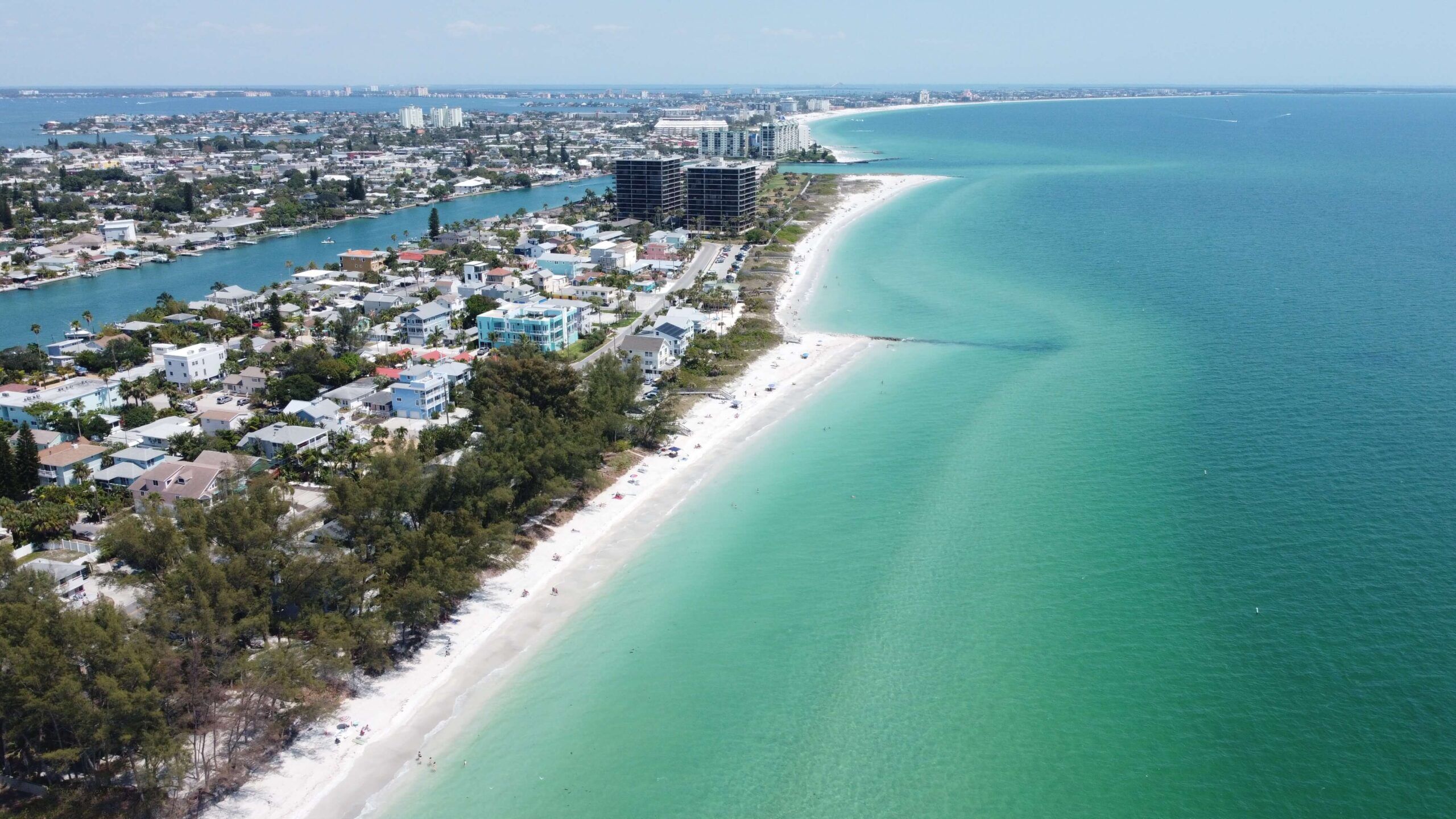
Enjoy the calm waters of The Gulf
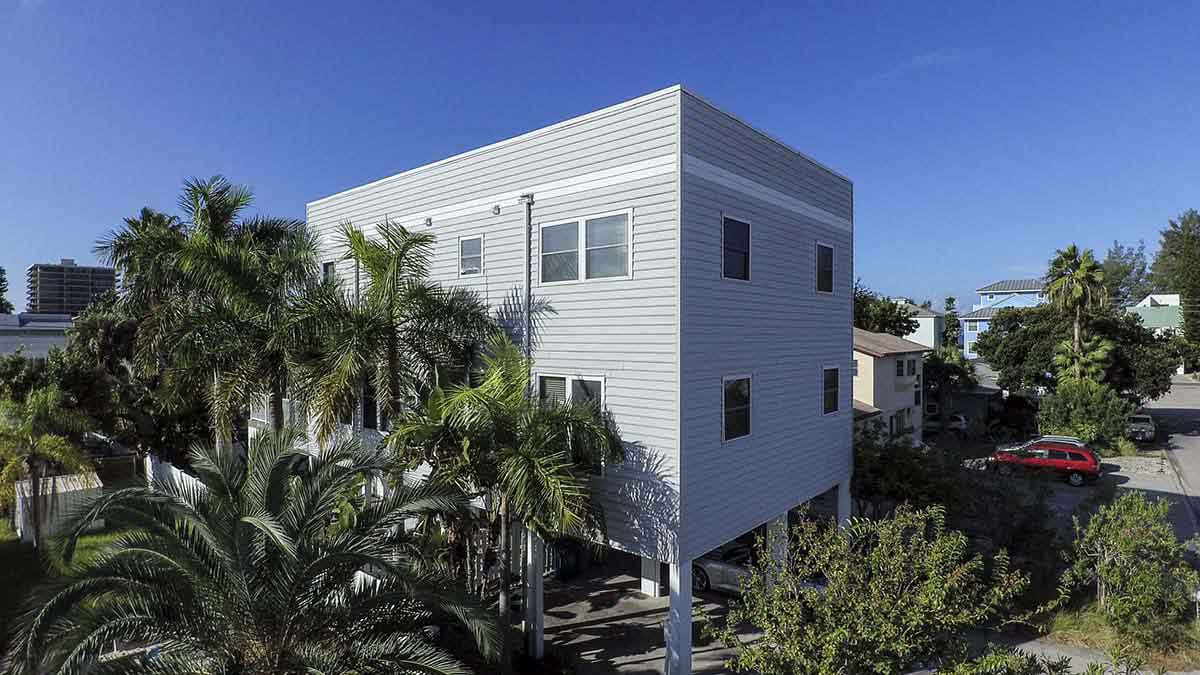
Just steps to beautiful white sand beaches
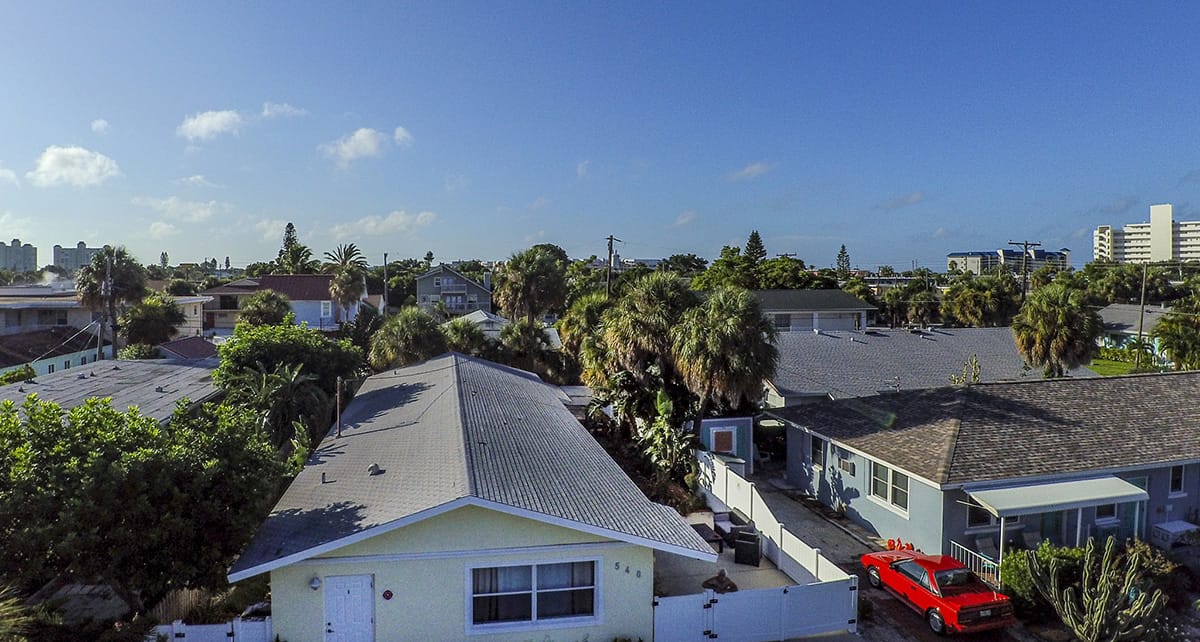
Short walk to the sea and shopping areas

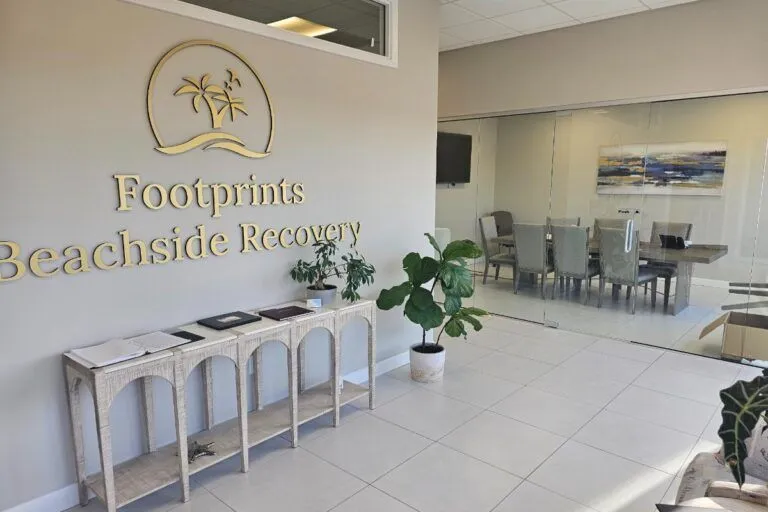
Recently renovated property

Clean, comfortable & quiet
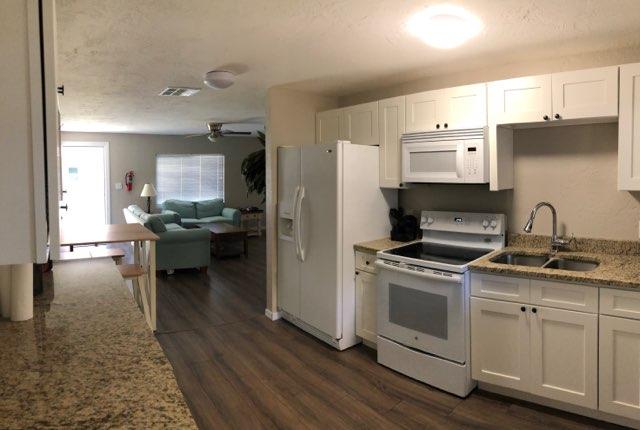
A place to cook and heal
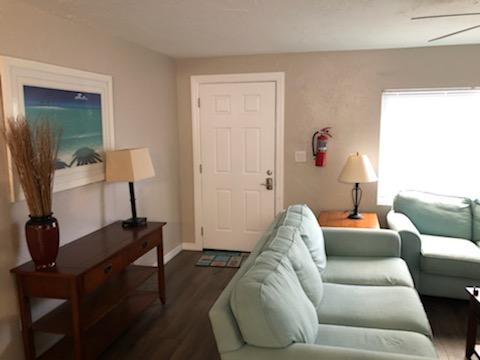
Relax in common areas
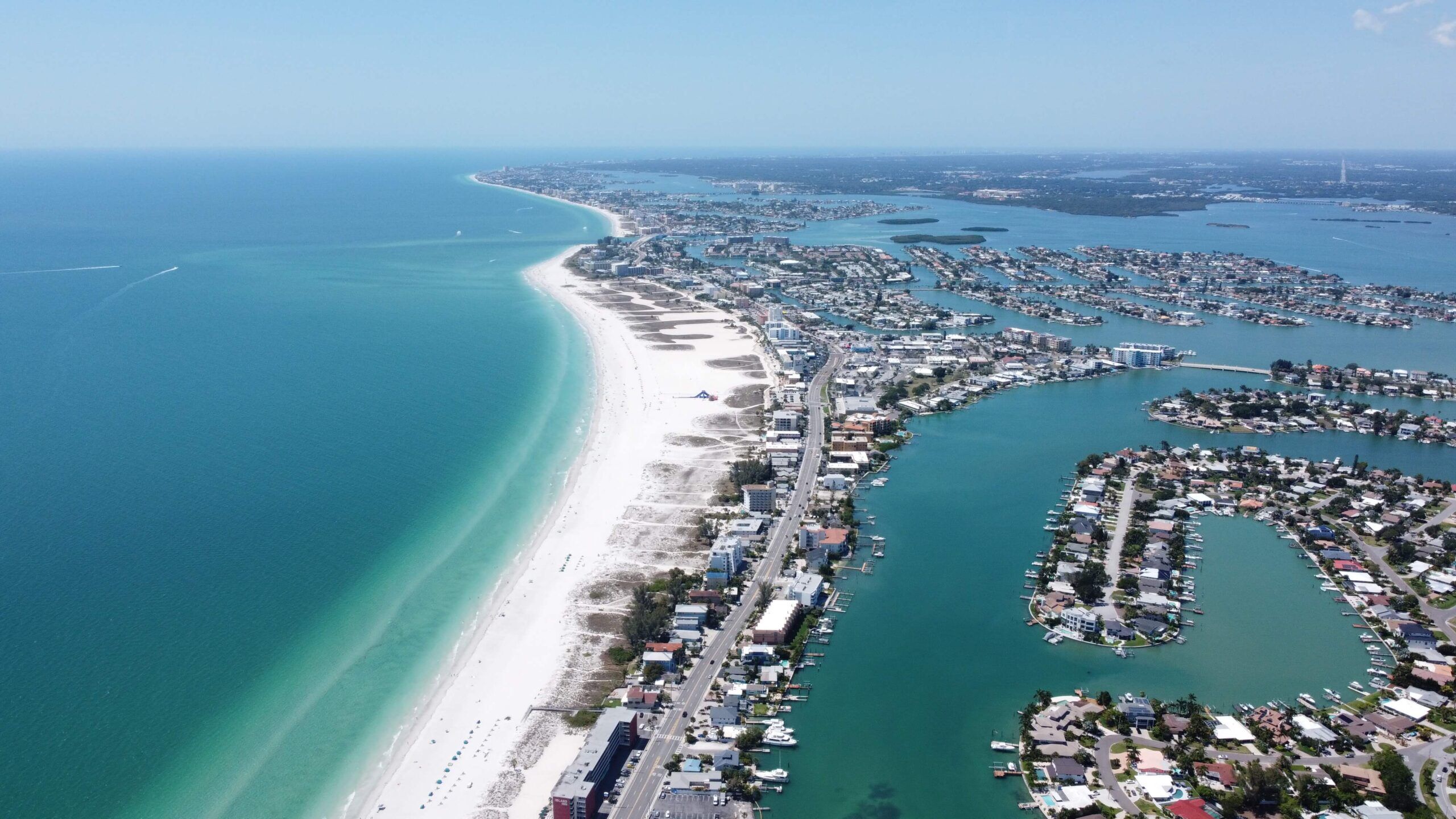
Drone footage from our office
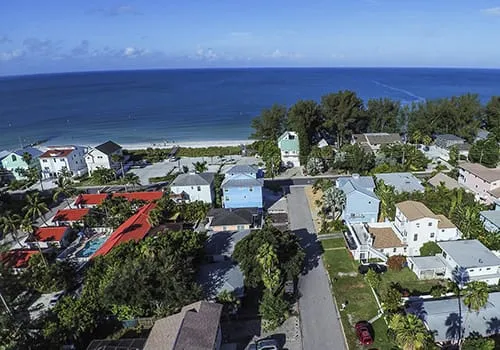
Drone footage from our beachside house
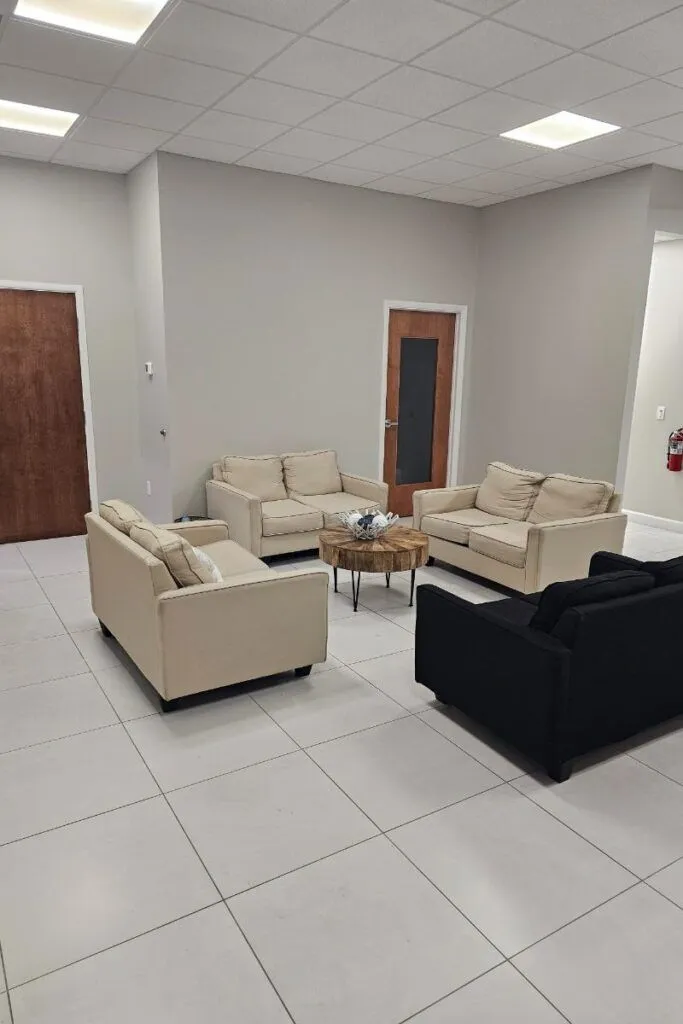
Comfortable accommodations at our officer
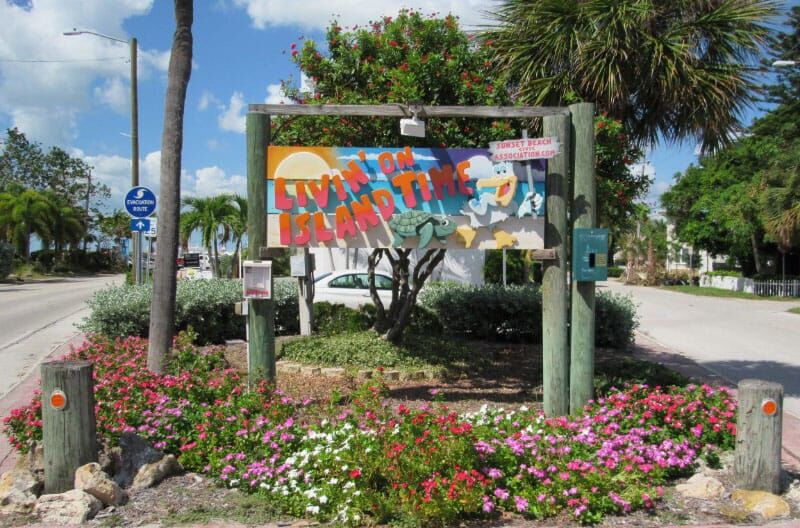
Enjoy Treasure Island activities
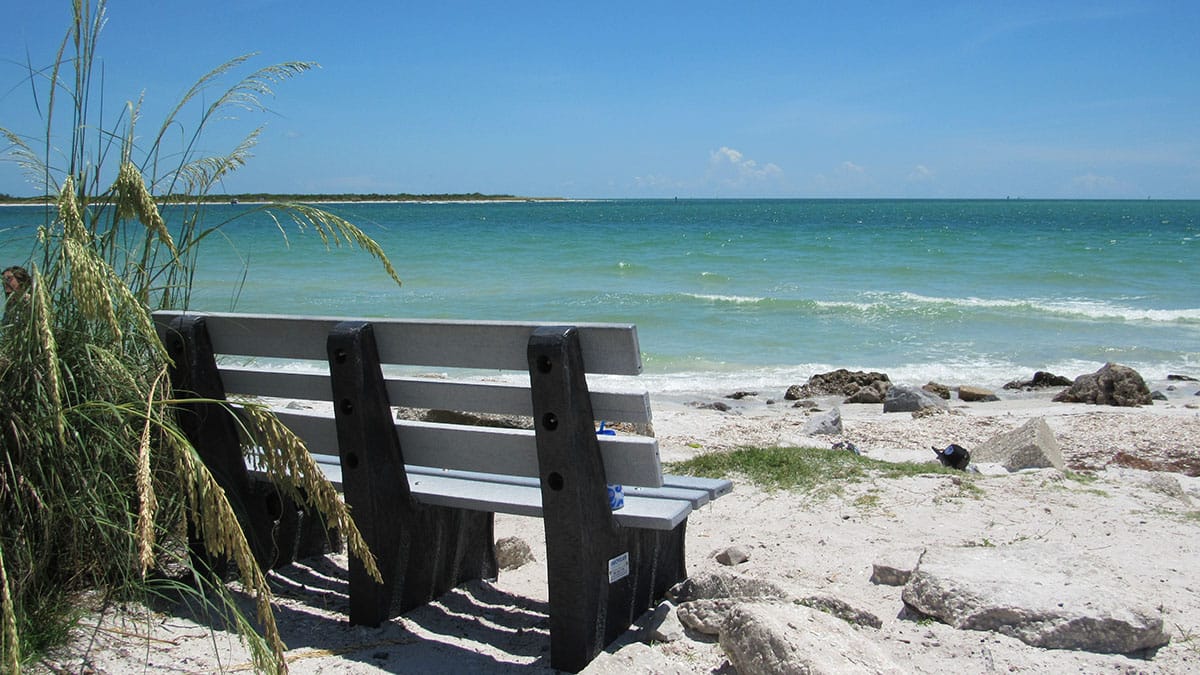
Located near some of Tampas best beaches
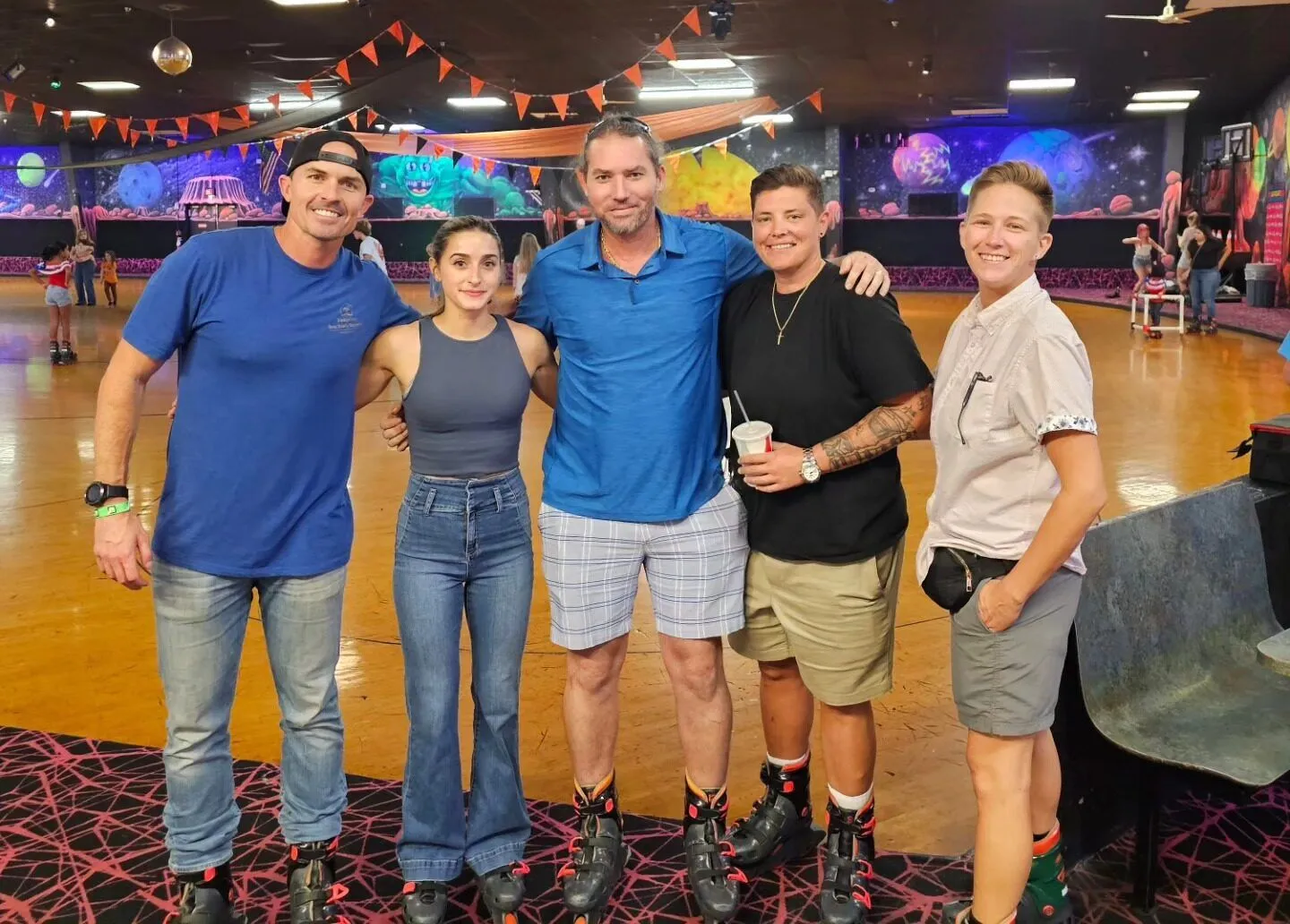
Become a member of the family
Most people we work with didn’t plan on needing treatment. Cocaine use often grows out of understandable circumstances:
Some people start using to manage stress or anxiety, especially in high-pressure environments. Others use it socially, where it’s normalized and even encouraged. Many discover that cocaine temporarily quiets trauma responses, low mood, or emotional numbness—until the rebound becomes worse than the relief.
What connects these paths isn’t recklessness. It’s adaptation. Cocaine becomes a coping strategy long before it becomes a crisis.
By the time someone reaches out, they’re often saying, “I don’t like who I’m becoming,” rather than “I can’t stop using.”
Cocaine’s long-term impact is often subtle before it’s severe.
People notice:
Families notice distance first. Missed conversations. Defensive reactions. A sense that someone is present physically but gone emotionally. Treatment has to address those relational fractures—not just the substance.
There’s no medication that simply “fixes” cocaine dependence. That’s why therapy and nervous system regulation matter so much.
Effective cocaine treatment focuses on:
At Footprints, we see cocaine use less as a behavior problem and more as a stress injury. That lens changes everything about how treatment feels.
Treatment at Footprints isn’t loud or confrontational. It’s deliberate, relational, and paced to the person in front of us.
Our approach includes:
The beachside environment in Treasure Island isn’t a luxury add-on—it’s clinical. Morning walks, quiet evenings, and physical distance from triggers help the nervous system relearn safety.
Many of the people who come to Footprints are still working, parenting, or managing major responsibilities. We build treatment plans that respect that reality when clinically appropriate.
Our programming allows for:
This flexibility is intentional. Cocaine recovery fails most often when people leave treatment unprepared for the environments they’re returning to.
You don’t need to wait for legal trouble, job loss, or a medical emergency. In fact, earlier intervention almost always leads to better outcomes.
It may be time to talk to someone if:
Asking questions doesn’t mean committing to treatment. It means gathering information while you still have choices.
Cocaine use often hides behind success, humor, or high performance. That doesn’t mean it isn’t taking a toll.
At Footprints, we don’t treat labels. We treat people—carefully, collaboratively, and with respect for the complexity of their lives.
If you want to talk through cocaine treatment options near St. Petersburg or Treasure Island, we’re here to have a real conversation—without pressure, judgment, or scripts.