Footprints Beachside Recovery offers addiction treatment for healthcare professionals who are used to holding everything together—and quietly falling apart. This program is built for doctors, nurses, and medical workers dealing with long hours, constant pressure, and cumulative trauma. It’s private, discreet, and clinically serious. No lectures. No loss of dignity. Just a safe place to step out of crisis mode and actually address what the job has been taking from you.
What you get out of it: relief. Relief from burnout, secrecy, and doing this alone. With trauma-informed care, small groups, and a calm St. Petersburg beachside setting, treatment becomes a reset—not a risk to your career. You’ve spent years caring for others. This is where you’re allowed to care for yourself—quietly, competently, and on your terms.
If you work in healthcare, you’re used to functioning under pressure that most people never see.
Long shifts. Short staffing. Life-and-death decisions. Holding space for grief, trauma, and emergencies—then going home and acting like you’re fine. Somewhere along the way, the coping strategies that helped you survive the job may have quietly crossed a line.
For doctors, nurses, and other medical professionals, addiction often stays hidden longer—not because it isn’t serious, but because you’re trained to push through.
At Footprints Beachside Recovery, addiction treatment for healthcare professionals is built around that reality. Our program near St. Petersburg and Treasure Island is designed for people who are used to being the helper, the steady one, the problem-solver—and who now need a place where they don’t have to hold it together.
Healthcare professionals don’t usually fit the stereotype people imagine when they think about addiction. Many are high-functioning, respected, and deeply committed to their patients.
But the risk factors are real—and cumulative.
Common contributors include:
For many medical workers, substances don’t start as “a problem.” They start as relief. Sleep. Numbing. A way to keep showing up.


Let us do the heavy lifting to call & verify your insurance. We are in-network with most major insurance carriers including Aetna, BlueCross BlueShield, Cigna, Humana, as well as many others. Don’t see your insurance? We work with dozens more, so don’t worry just call.
We are here to help you and your family figure this out.
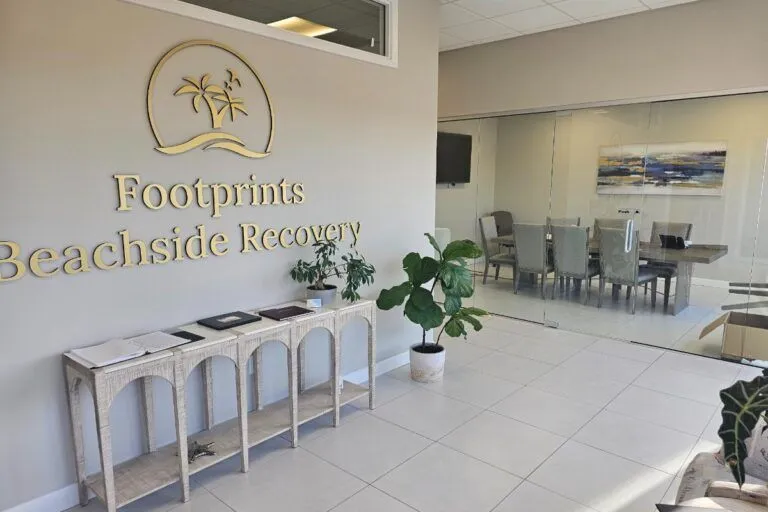
Supporting those who live in the area and those looking to recover on the beach
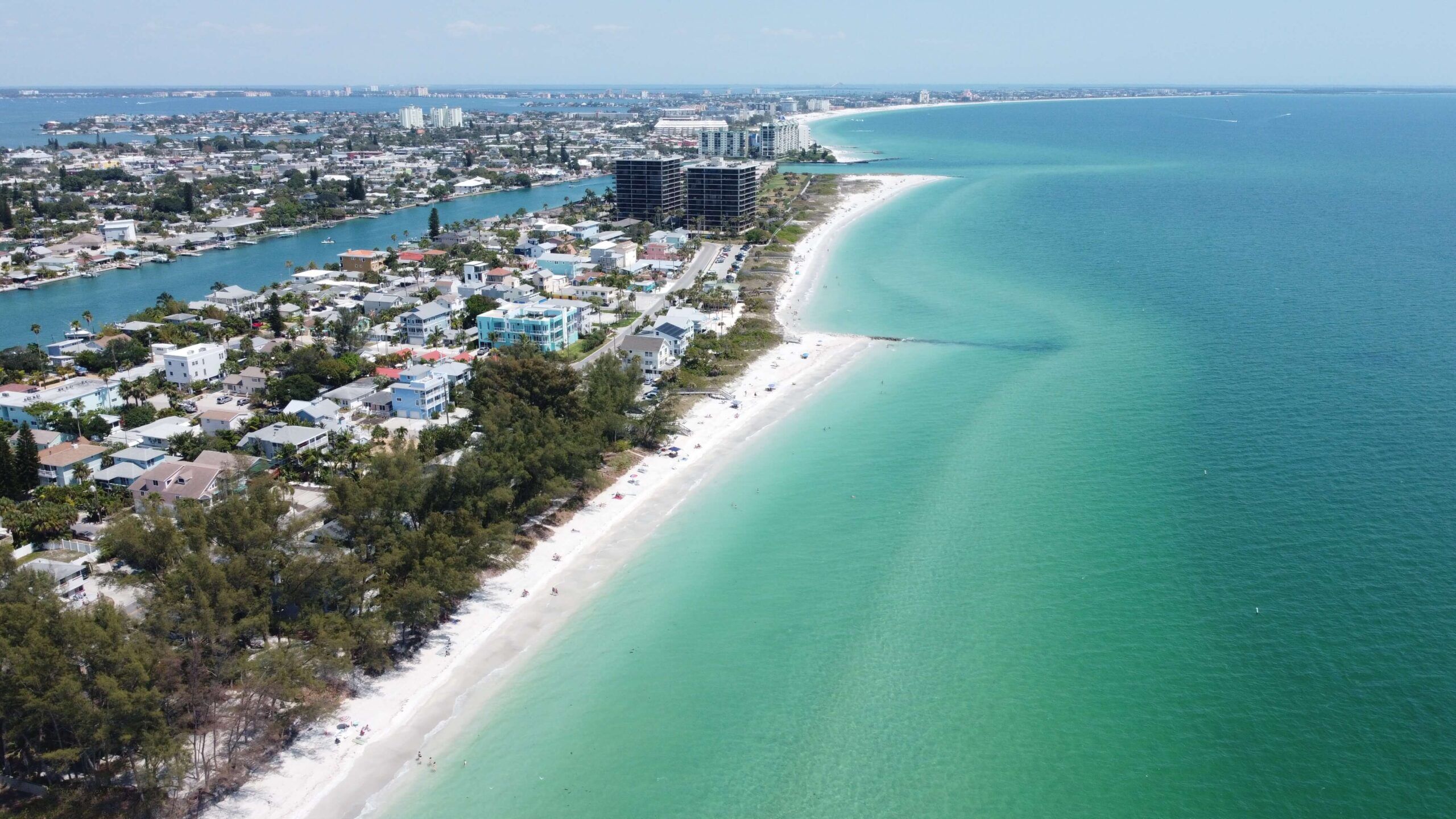
Enjoy the calm waters of The Gulf of Mexico while you heal mind, body & spirit

Just steps to beautiful white sand beaches
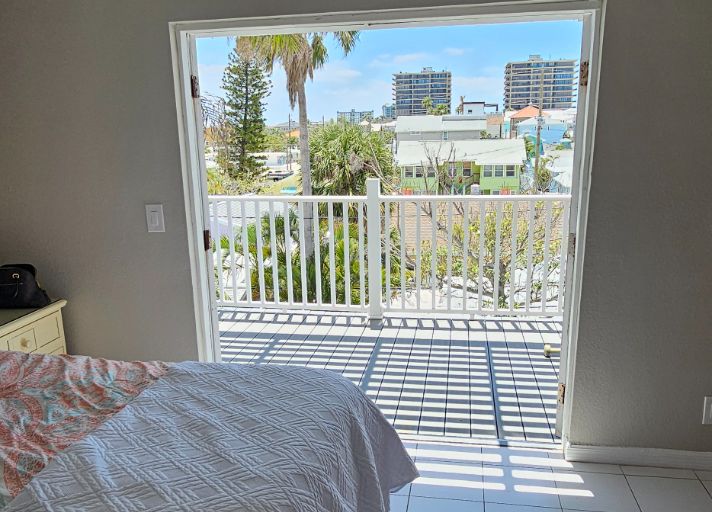
Recently renovated women’s property with beautiful views and ocean breezes
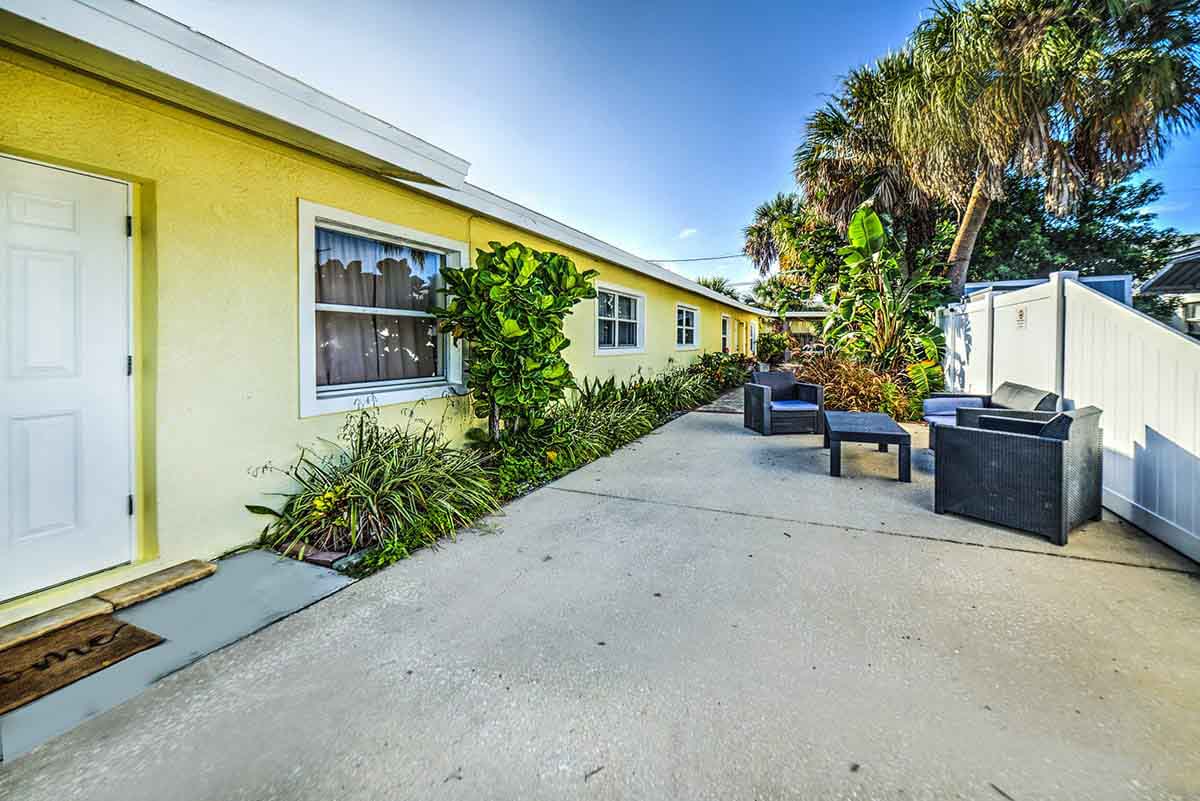
Short walk to the sea and local shopping areas
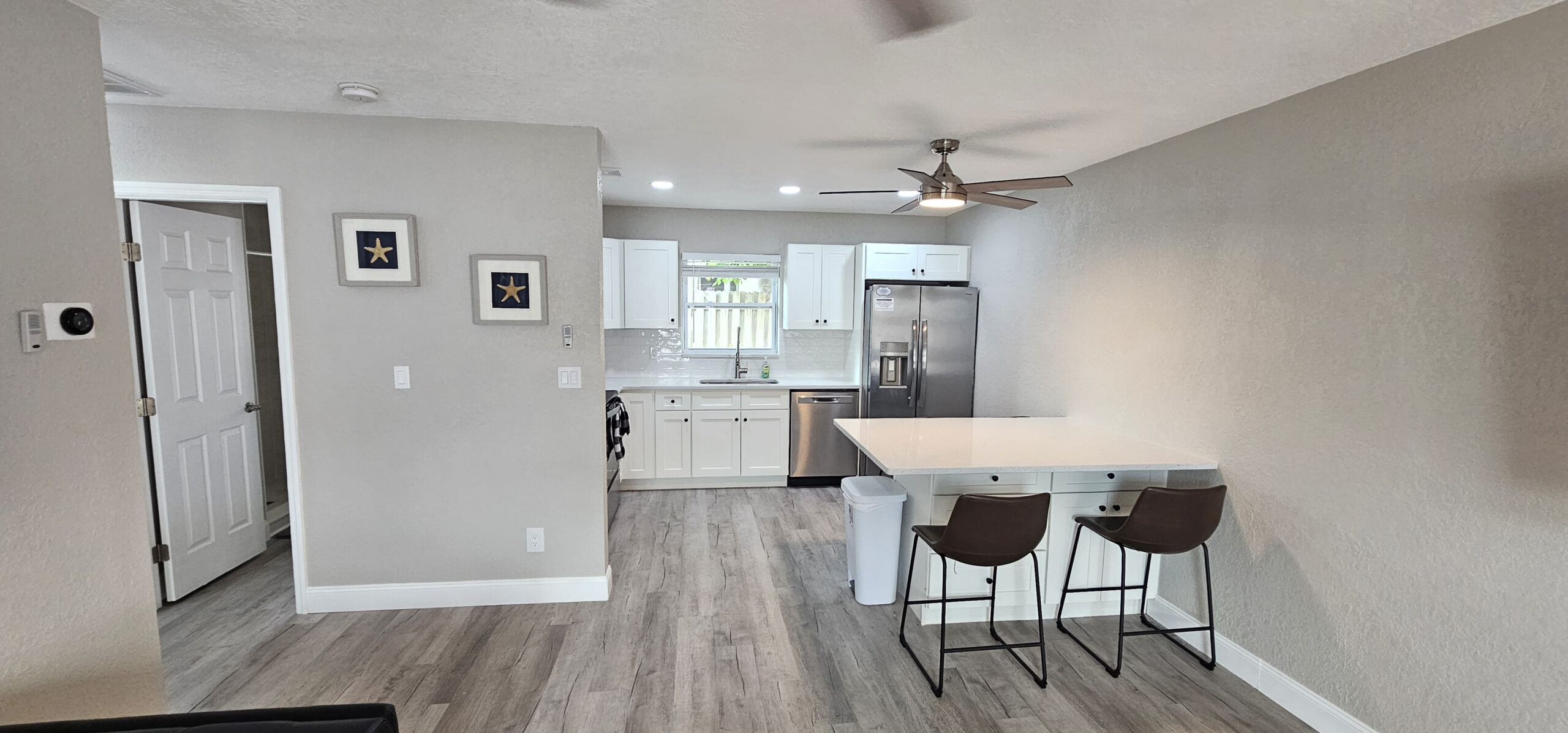
Newly renovated interior with modern kitchen
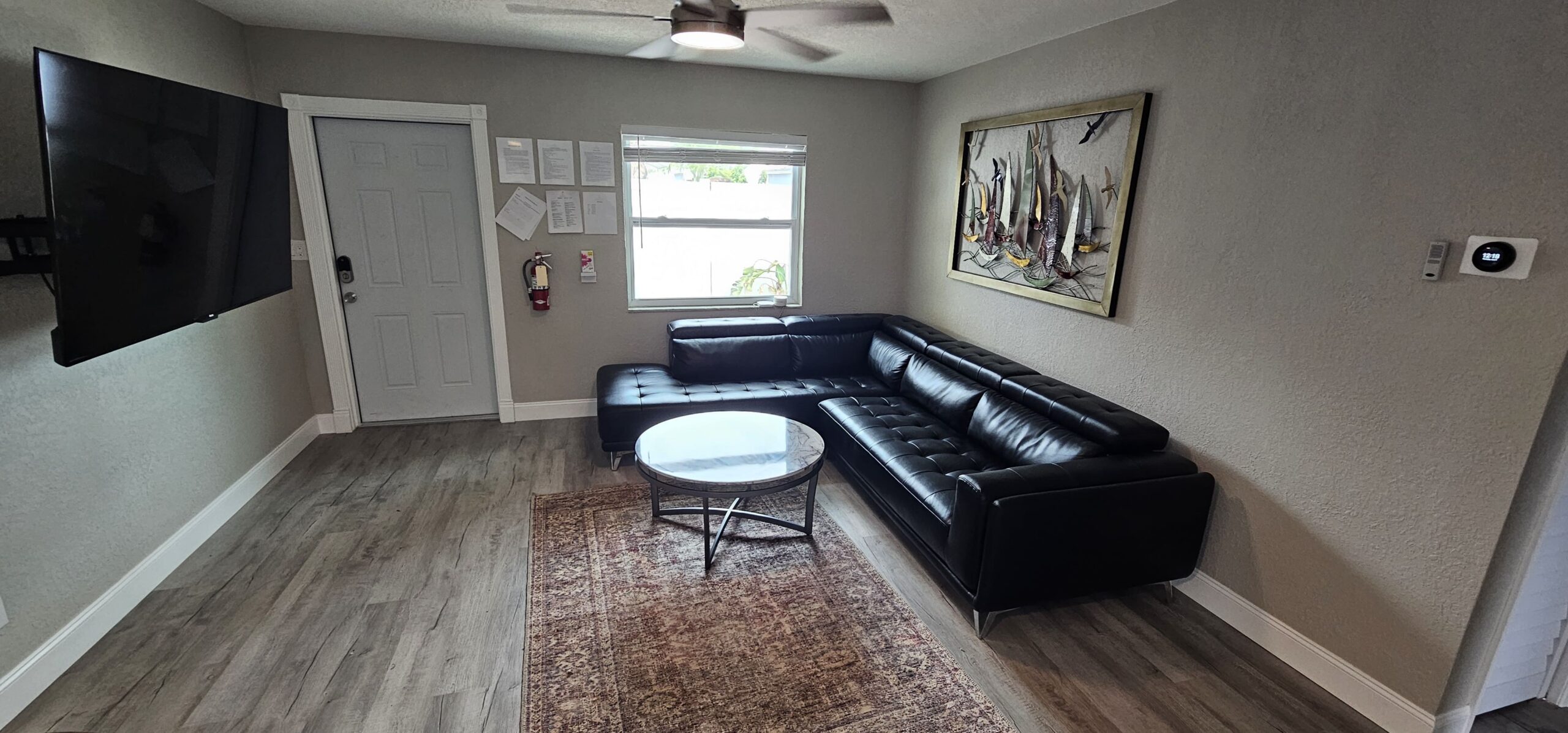
Comfortable common areas to watch the game, relax & reflect

Quiet bedrooms to recover throughout your stay with us
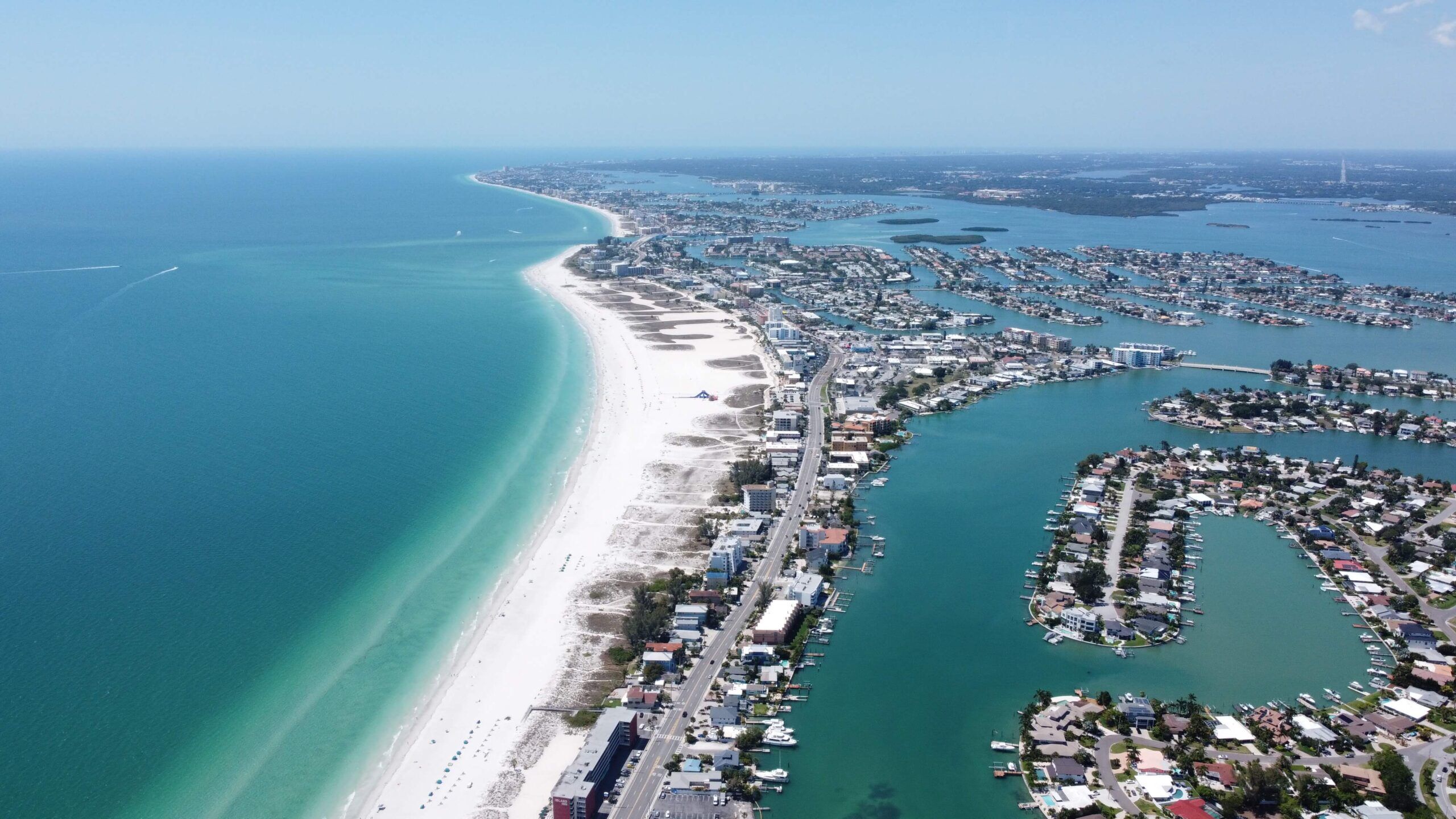
Drone footage from our office
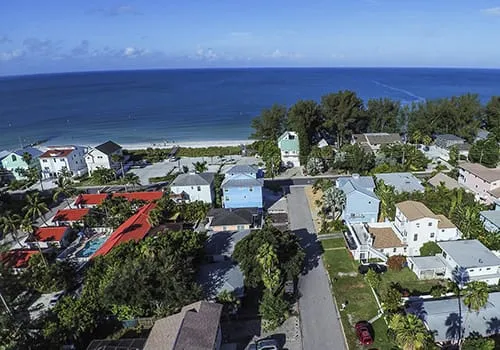
Drone footage from our beachside house
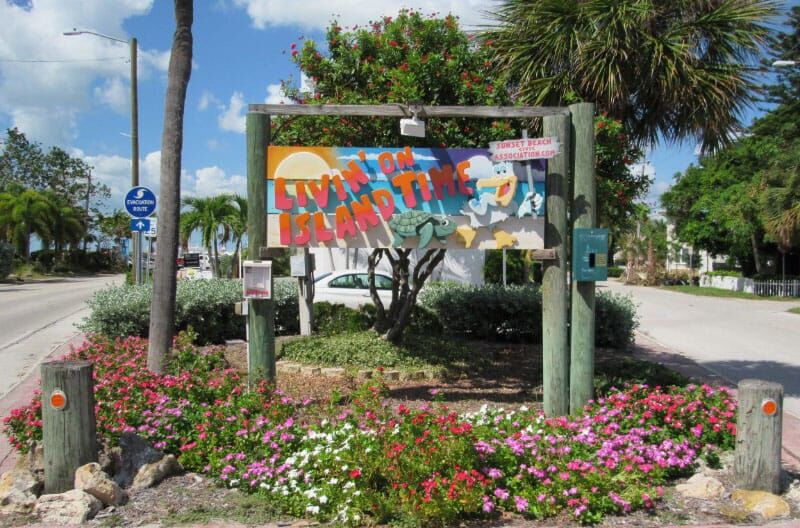
Enjoy Treasure Island activities
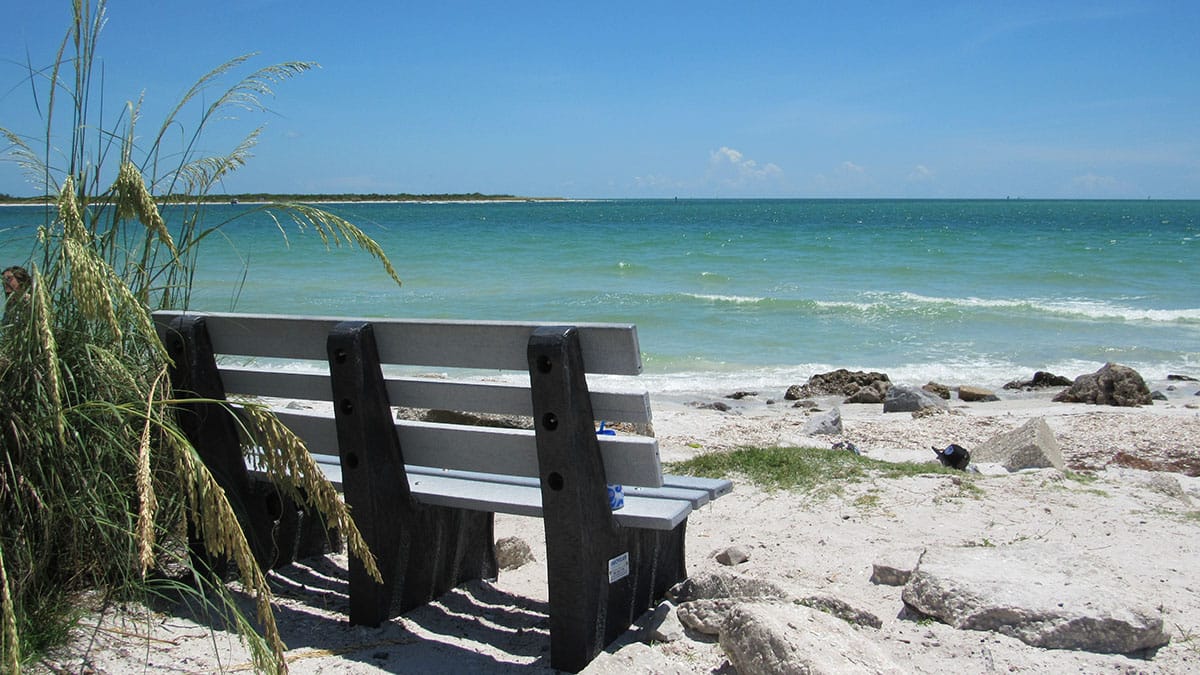
Located near some of Tampas best beaches

Become a member of the family
One of the biggest barriers healthcare professionals face isn’t addiction itself—it’s the fear of being found out.
Concerns we hear often:
These fears keep people silent far longer than they should. And silence is where addiction grows.
Treatment at Footprints is designed to be private, respectful, and discreet, without minimizing the seriousness of what’s happening.
Addiction treatment for healthcare professionals may be a good fit if:
Many people don’t enter treatment because they’re “out of control.” They enter because they’re tired of surviving on fumes.
If you’re researching this page for a partner, spouse, or family member in healthcare, you may have noticed changes before they did.
Families often describe:
Supporting a healthcare professional means walking a fine line between concern and pressure. Treatment works best when it’s framed as support—not punishment.
Healthcare professionals don’t need lectures about addiction. They need space, safety, and clinical depth.
At Footprints, treatment for doctors and nurses emphasizes:
This isn’t about stripping away identity or career. It’s about stabilizing health so both can continue.
Our treatment center near Treasure Island offers something healthcare professionals rarely get: true decompression.
The environment is intentionally:
This distance helps medical professionals step out of crisis mode and begin real recovery—not just symptom management.
Addiction treatment for healthcare professionals isn’t a failure of character or competence. It’s often the cost of caring deeply for a long time without enough support.
If you’re a medical professional struggling quietly—or someone who loves one—Footprints offers a place to be human again, without judgment or exposure.
You don’t have to carry this alone. The conversation can start privately, on your terms.