It isn’t just the physical addiction that’s plaguing your life. Underlying mental health conditions may have led you to use drugs or alcohol to mask the symptoms. Maybe you keep using substances to avoid the overwhelming symptoms of depression or anxiety you feel after you’ve stopped using. No matter the case, your mental health is a major focus of our substance abuse treatment in Treasure Island, Florida. We know that simply treating physical addiction doesn’t get to the root of the problem. This is why a holistic approach is a focus at our dual diagnosis treatment program in Tampa, FL.
At Footprints Beachside Recovery, we understand that no two people have the same experience with addiction. With the help of our dual diagnosis treatment program, we can provide healing and hope for both addiction and mental health issues. Don’t wait. Please reach out for help today at (727) 954-3908.

Mental health is a vital component in understanding and combating addiction, as the two exist in tandem. Dual diagnosis disorders, also known as co-occurring disorders, could include any combination of mental health and substance use disorders. However, there are some that are more common than others that we have extensive experience treating, including the following:


Let us do the heavy lifting to call & verify your insurance. We are in-network with most major insurance carriers including Aetna, BlueCross BlueShield, Cigna, Humana, as well as many others. Don’t see your insurance? We work with dozens more, so don’t worry just call.
We are here to help you and your family figure this out.
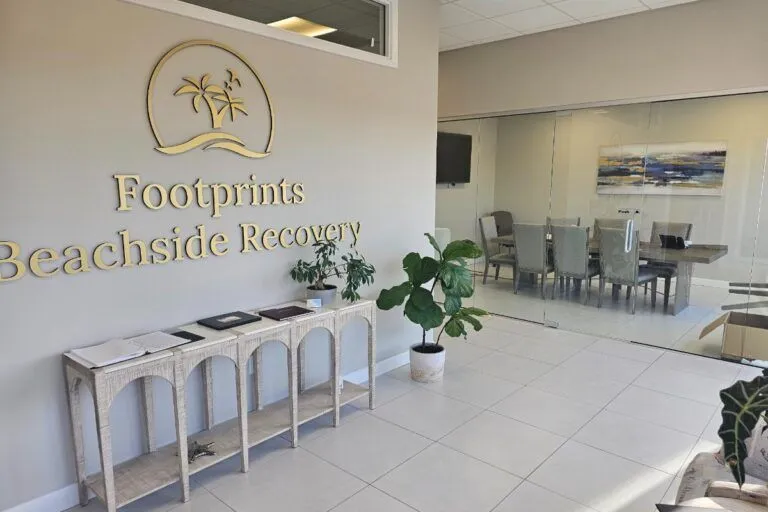
Supporting those who live in the area and those looking to recover on the beach
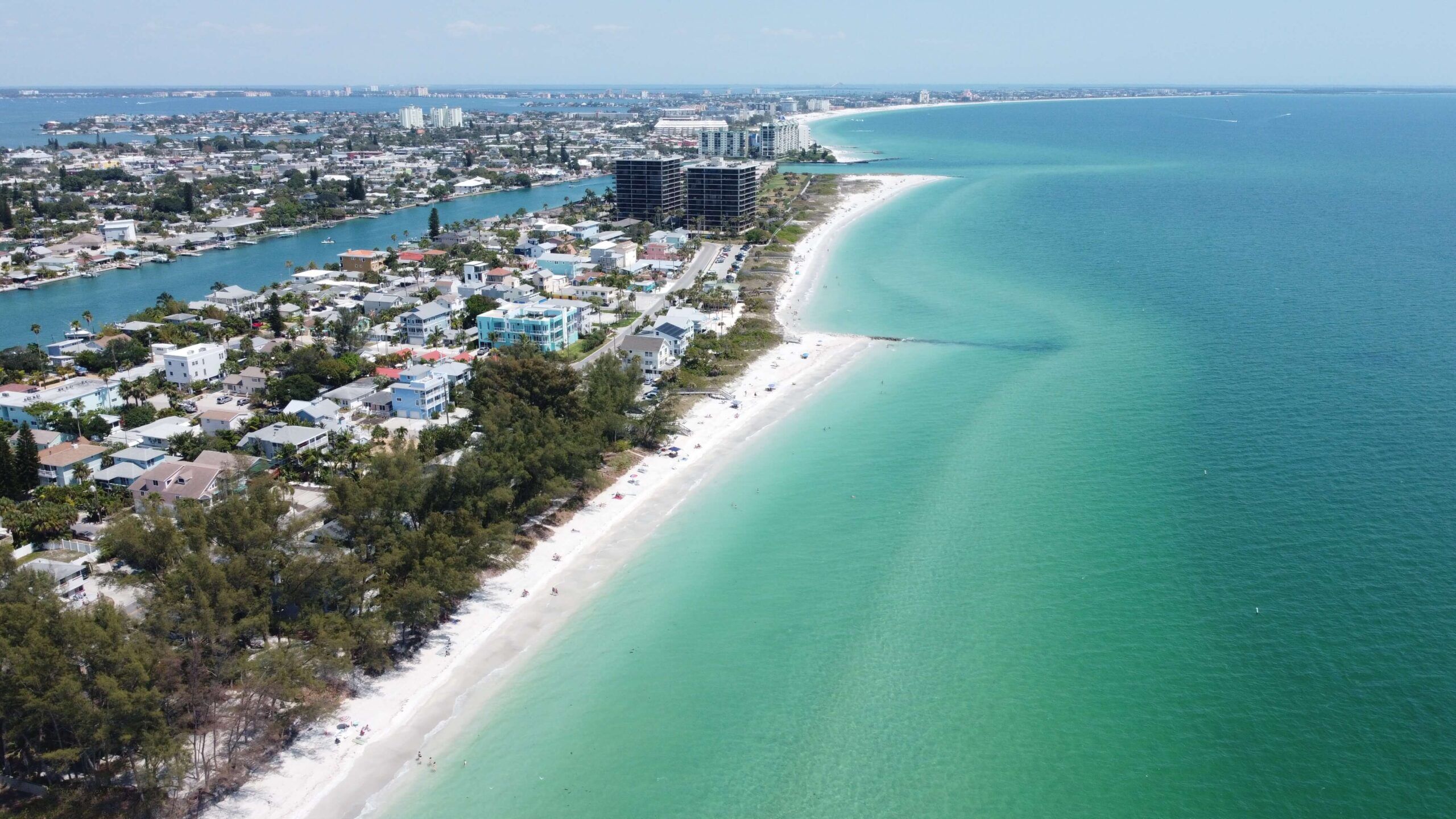
Enjoy the calm waters of The Gulf of Mexico while you heal mind, body & spirit
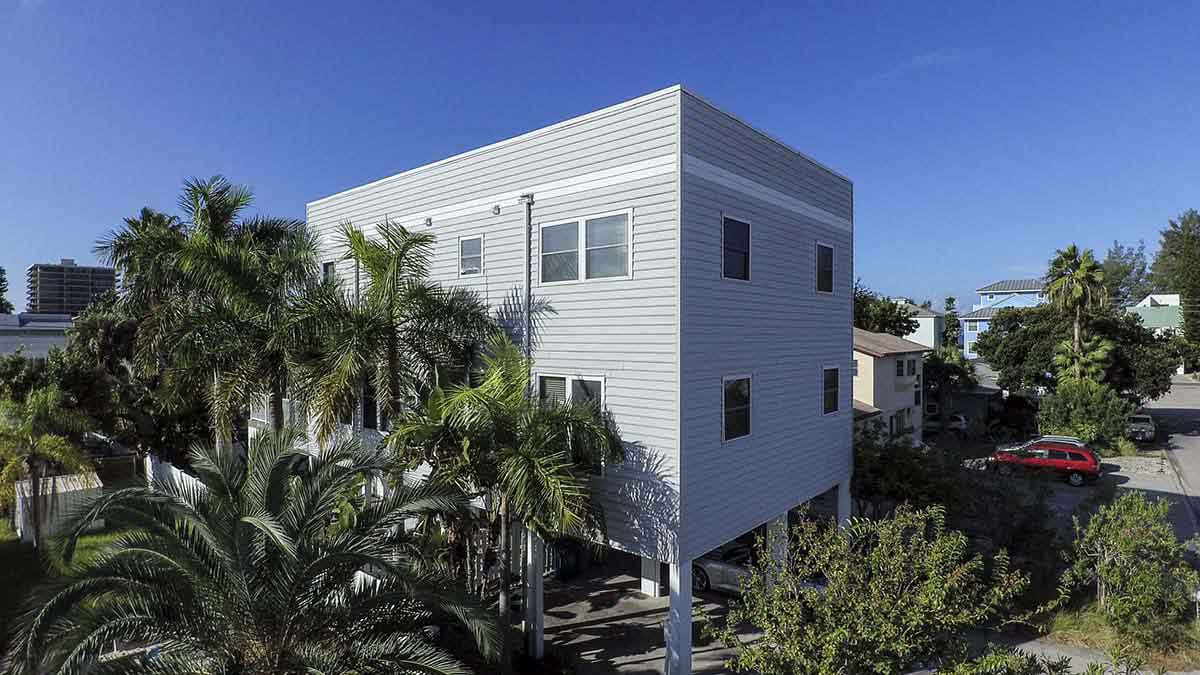
Just steps to beautiful white sand beaches
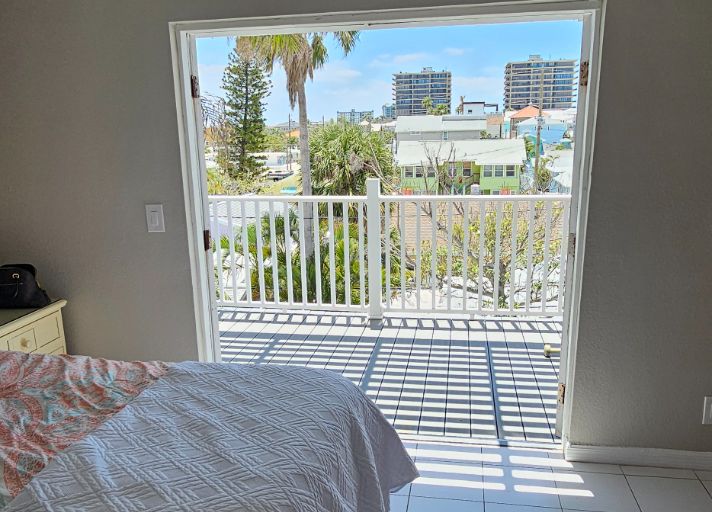
Recently renovated women’s property with beautiful views and ocean breezes
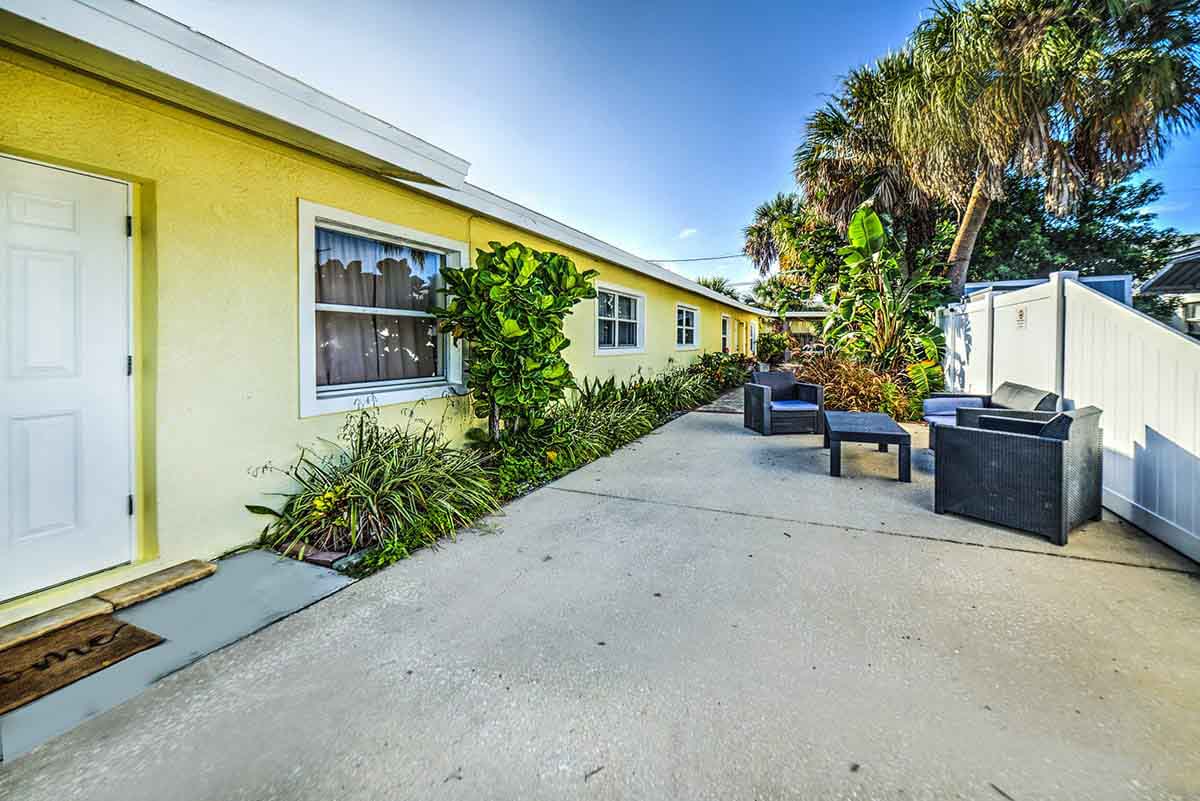
Short walk to the sea and local shopping areas
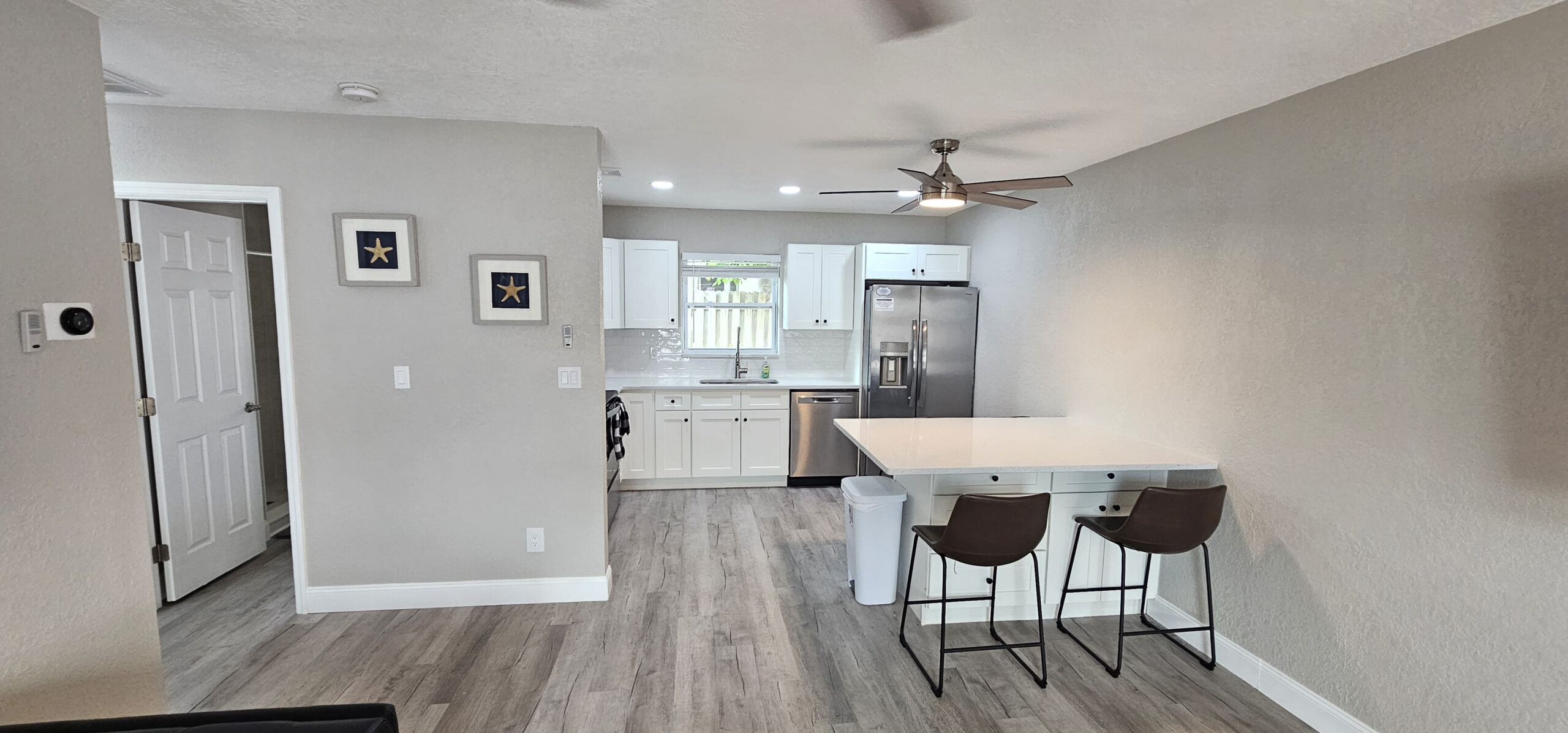
Newly renovated interior with modern kitchen
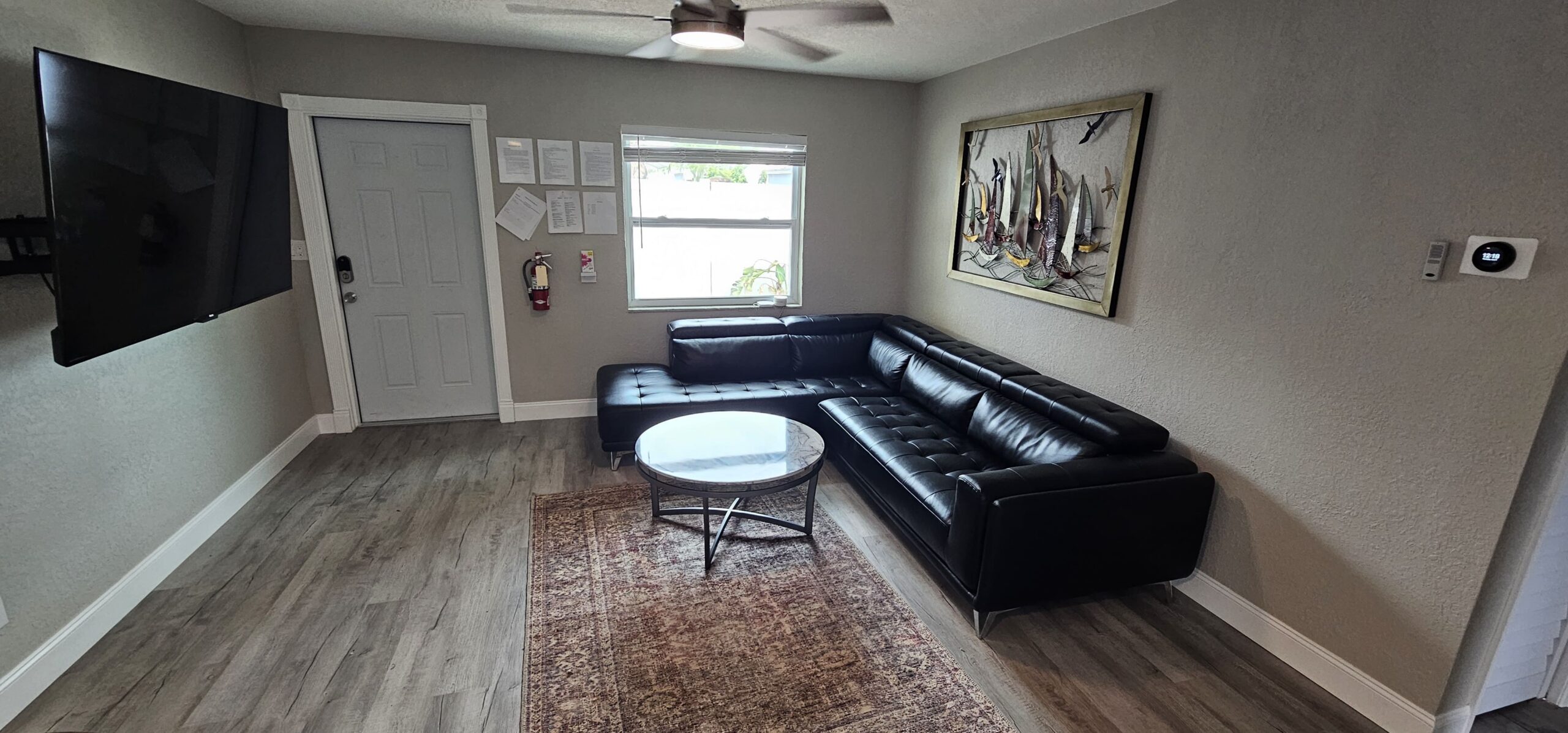
Comfortable common areas to watch the game, relax & reflect
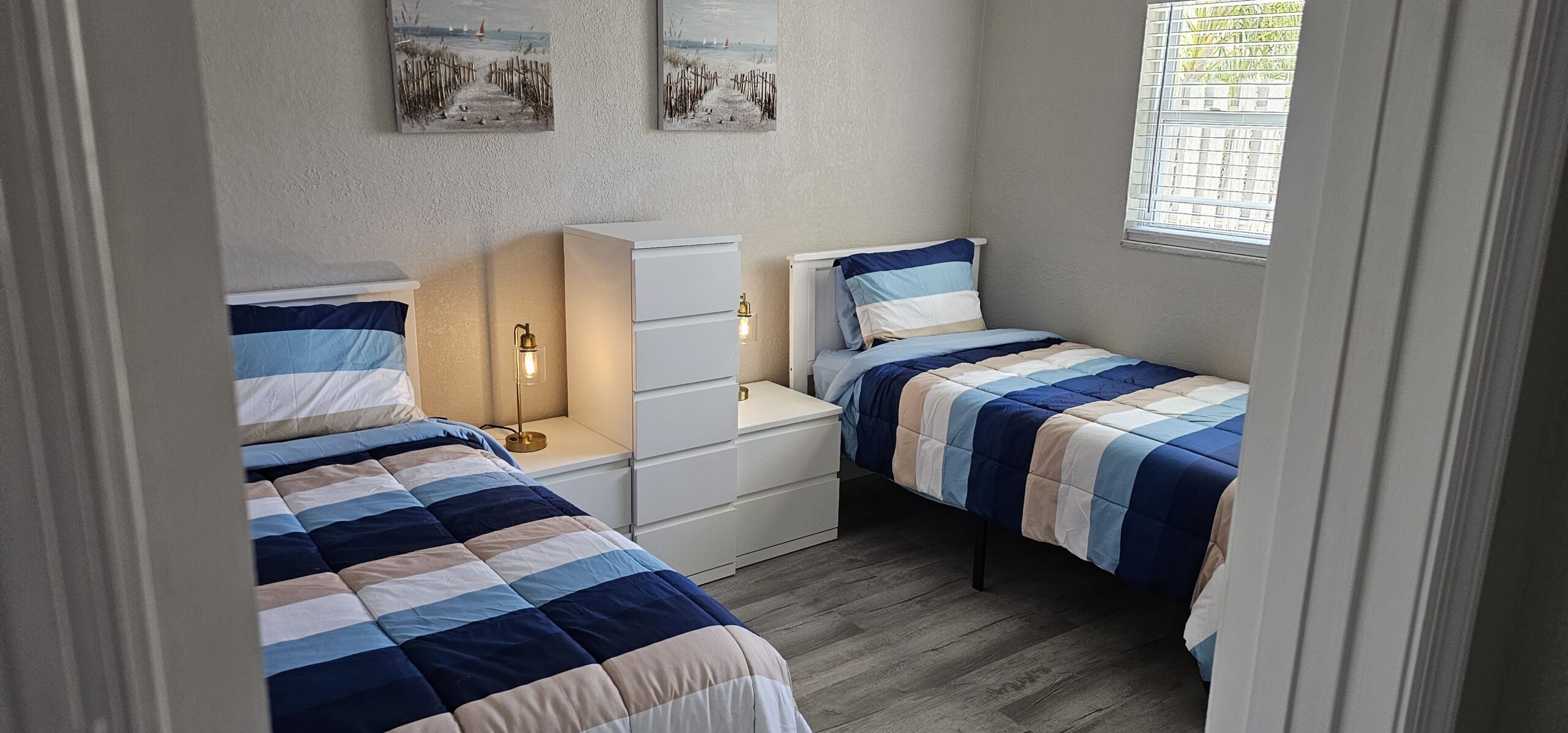
Quiet bedrooms to recover throughout your stay with us
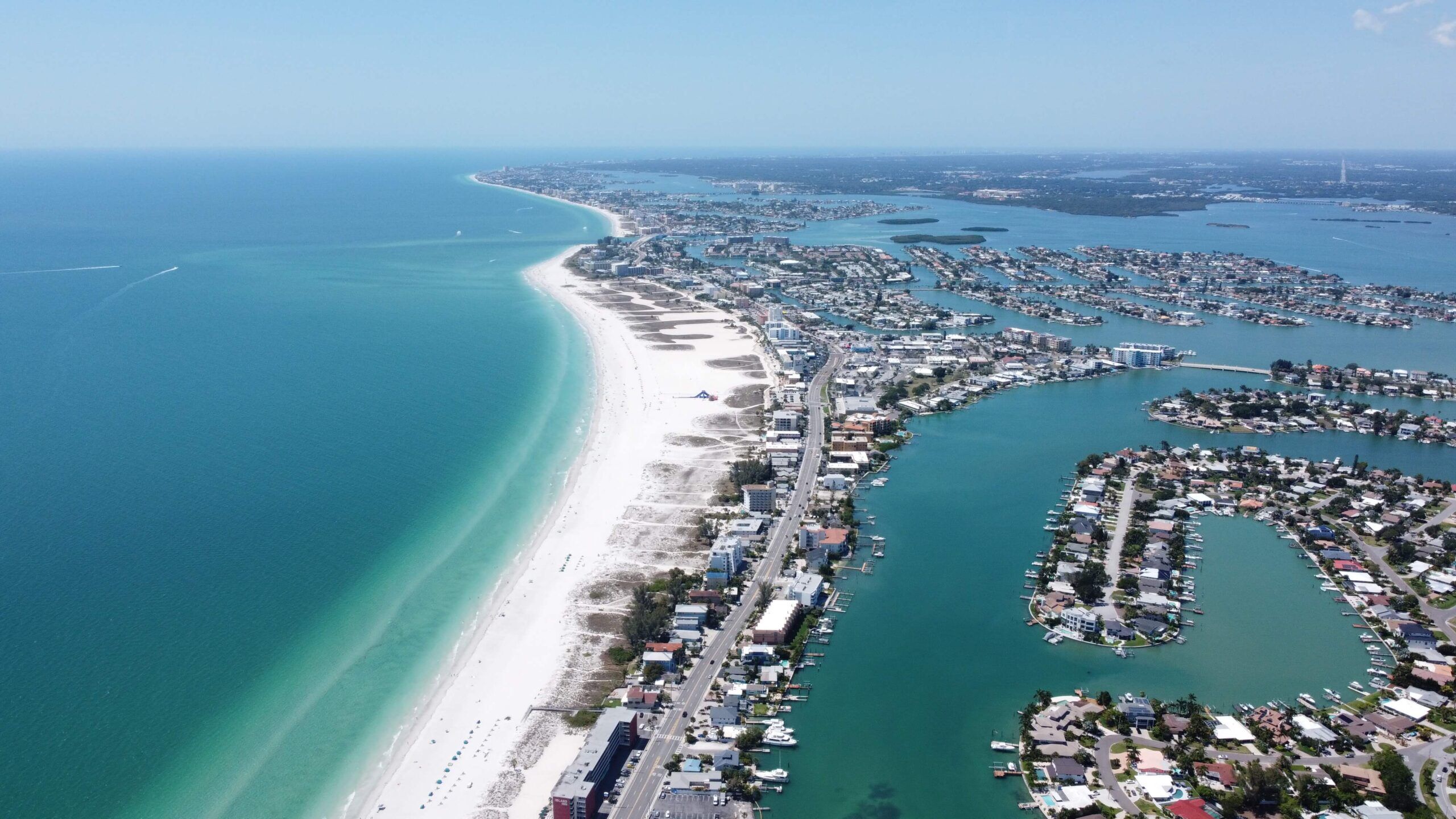
Drone footage from our office
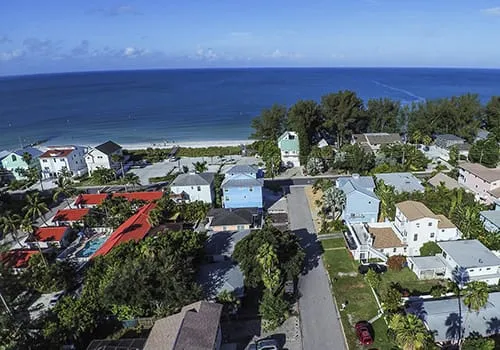
Drone footage from our beachside house
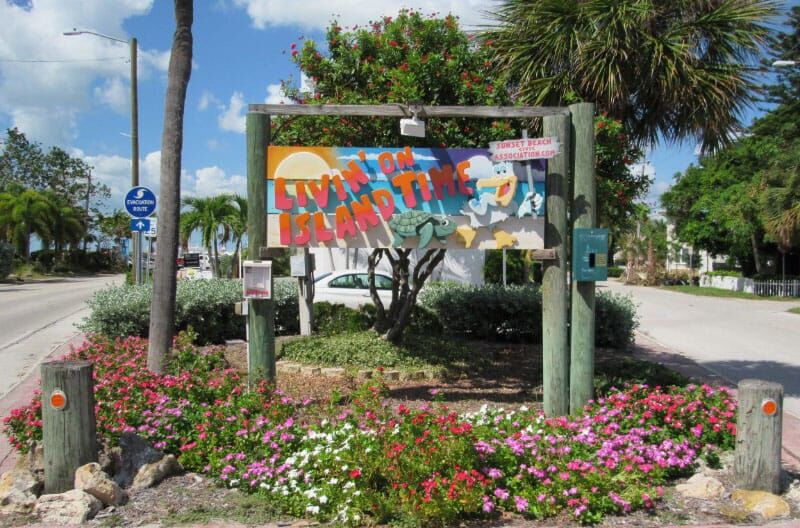
Enjoy Treasure Island activities
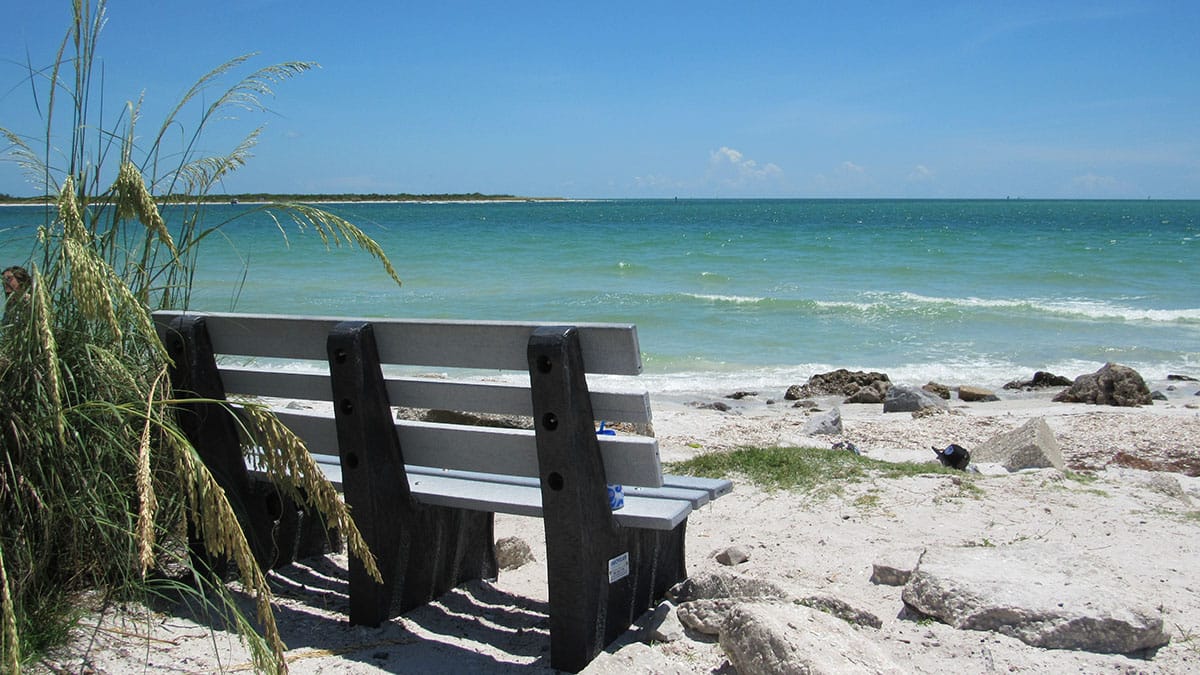
Located near some of Tampas best beaches

Become a member of the family
Within the first 24 hours of your stay with us, we’ll evaluate your current state and work to identify and understand any mental health issues you may have. You’ll also meet our doctor and one of our licensed mental health professionals, who are all certified in trauma resolution therapies.
These initial evaluations help us develop an individualized treatment plan that addresses your emotional, mental, and psychological needs. Our holistic approach helps ensure that you receive the right treatment for the right issue at our luxury facilities.
To get to the bottom of why your addiction started in the first place and help you work through your co-occurring conditions, we combine traditional, evidence-based treatment with a more holistic approach. We do this with the following therapies.
You’ll have a minimum of two individual therapy sessions a week with your therapist to work through your struggles with mental health and substance abuse. If you have an emergency or want help outside of your scheduled sessions, a therapist is always available.
During one-on-one therapy, you and your counselor will dive deep into your history with addiction. This will allow our team to identify any underlying co-occurring mental health disorders.
In group therapy, this is where you’ll get to talk with others going through similar situations and help each other through recovery. Group therapy helps our clients process their emotions in a group setting, encouraging positive listening skills and shared accountability.
Group therapy can be particularly effective in dual diagnosis treatment programs. You can share your unique experience with addiction and mental health disorders while also hearing from others who understand what you’re going through. Group therapy allows you to recognize that you’re not alone in this battle.
Addiction and mental health issues don’t just impact the person suffering from the conditions. It’s important to involve your family in your treatment so they can understand what you’re going through and help support your recovery.
During family therapy, you’ll develop skills such as:
This will help heal any past wounds and allow your family to develop a stronger understanding of your mental health and addiction.
Our team of trained and licensed mental health professionals makes it a priority to help you recover from trauma, depression, and anxiety. We recognize that trauma often co-occurs with addiction, which is why we have trauma-informed groups.
These groups help you understand and process your trauma in a safe and judgment-free environment. You’ll also have the opportunity to share your story and help others who are going through similar experiences.
Proper nutrition and exercise programs are provided to help your body and mind heal from dual diagnosis disorders. Proper nutrition helps to restore balance in the brain and body, while exercise helps to reduce stress and anxiety.
Holistic activities like yoga, meditation, acupuncture and art therapy can help you relax, grow stronger and stimulate your creativity. They also help you connect with others in a safe and encouraging environment.
From our founders’ personal experience with addiction and spending the last decade helping others recover, we know that each person’s history of mental health and addiction is different. Through evidence-based therapies and individualized treatment plans, we provide a trustworthy and effective program for healing from dual diagnosis disorders. Learn more about the wide variety of programs that we offer today by contacting Footprints Beachside Recovery today at (727) 954-3908. We can help you attain the life you deserve. Please reach out now.