Fentanyl addiction is not just another opioid problem — and treating it like one often leads to relapse, medical risk, or overdose. At Footprints Beachside Recovery, fentanyl treatment begins with medical stabilization, safety, and precision. Every decision is guided by what is clinically appropriate for the individual — not assumptions or preset timelines.
Many of the individuals and families who reach out to us are already in crisis. Some are terrified of withdrawal. Others have relapsed after treatment elsewhere. Our role is to slow the process down, assess carefully, and create a medically sound path forward.
Fentanyl changes how opioid addiction behaves in the body.
Unlike heroin or prescription opioids, fentanyl binds more aggressively to opioid receptors and often lingers longer than expected. This can delay withdrawal, intensify symptoms, and dramatically increase overdose risk if treatment is rushed or poorly matched.
Many people we admit for fentanyl addiction have already attempted detox — sometimes multiple times — only to relapse quickly when the approach did not account for fentanyl’s unique effects.
At Footprints, we routinely work with individuals who:
Fentanyl treatment cannot be forced or rushed. It requires careful medical judgment, ongoing monitoring, and a treatment structure that extends well beyond detox.
Withdrawal does not have to be traumatic — but it does need to be handled correctly.
Fentanyl withdrawal often begins later and lasts longer than expected. Attempting to “push through” without medical oversight increases the risk of complications, relapse, and overdose once tolerance drops.
At Footprints, the first step is not enrollment — it is determining what level of medical care is actually safe. Every individual completes a detailed clinical pre-screen before admission.
Stabilization may include:
In many cases, we are able to safely taper fentanyl on-site using a structured, physician-guided approach. When someone requires hospital-level detox, we coordinate that care first — then transition them into treatment once stabilized.
Medication-assisted treatment is a clinical tool — not a shortcut and not a one-size-fits-all solution.
For fentanyl addiction, medications such as Suboxone® or Subutex® are commonly used to:
These medications are carefully dosed and closely monitored. Some individuals taper off MAT over time. Others remain on it longer as part of a structured recovery plan. The decision is clinical — not ideological.
We are also transparent about the risks. Medications like Suboxone can be misused, and we address that openly through monitoring, education, and accountability.
Stabilization is the foundation — not the finish line.
Once withdrawal symptoms are controlled, treatment shifts toward identifying what has repeatedly driven fentanyl use and relapse.
This phase of care focuses on:
Abrupt discharge after detox is one of the most common reasons fentanyl treatment fails. Footprints provides a full continuum of care, allowing individuals to step down gradually rather than being pushed back into daily life too soon.














Let us do the heavy lifting to call & verify your insurance. We are in-network with most major insurance carriers including Aetna, BlueCross BlueShield, Cigna, Humana, as well as many others. Don’t see your insurance? We work with dozens more, so don’t worry just call.
We are here to help you and your family figure this out.
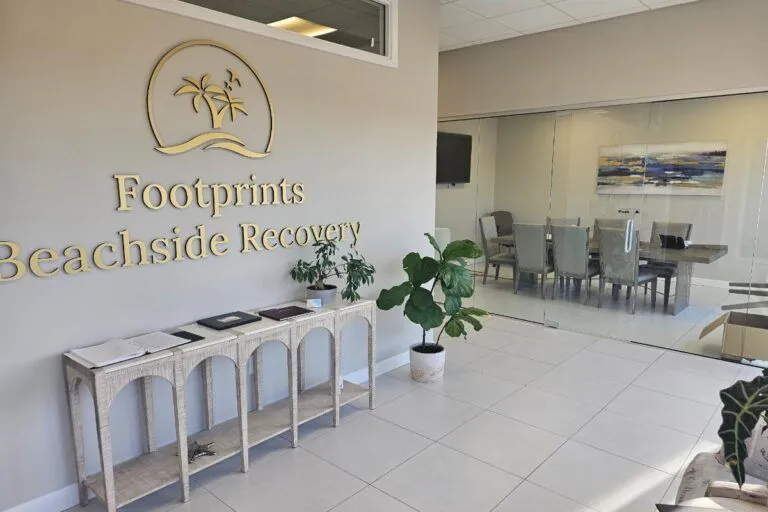
Supporting those who live in the area and those looking to recover on the beach

Enjoy the calm waters of The Gulf of Mexico while you heal mind, body & spirit

Just steps to beautiful white sand beaches

Recently renovated women’s property with beautiful views and ocean breezes

Short walk to the sea and local shopping areas
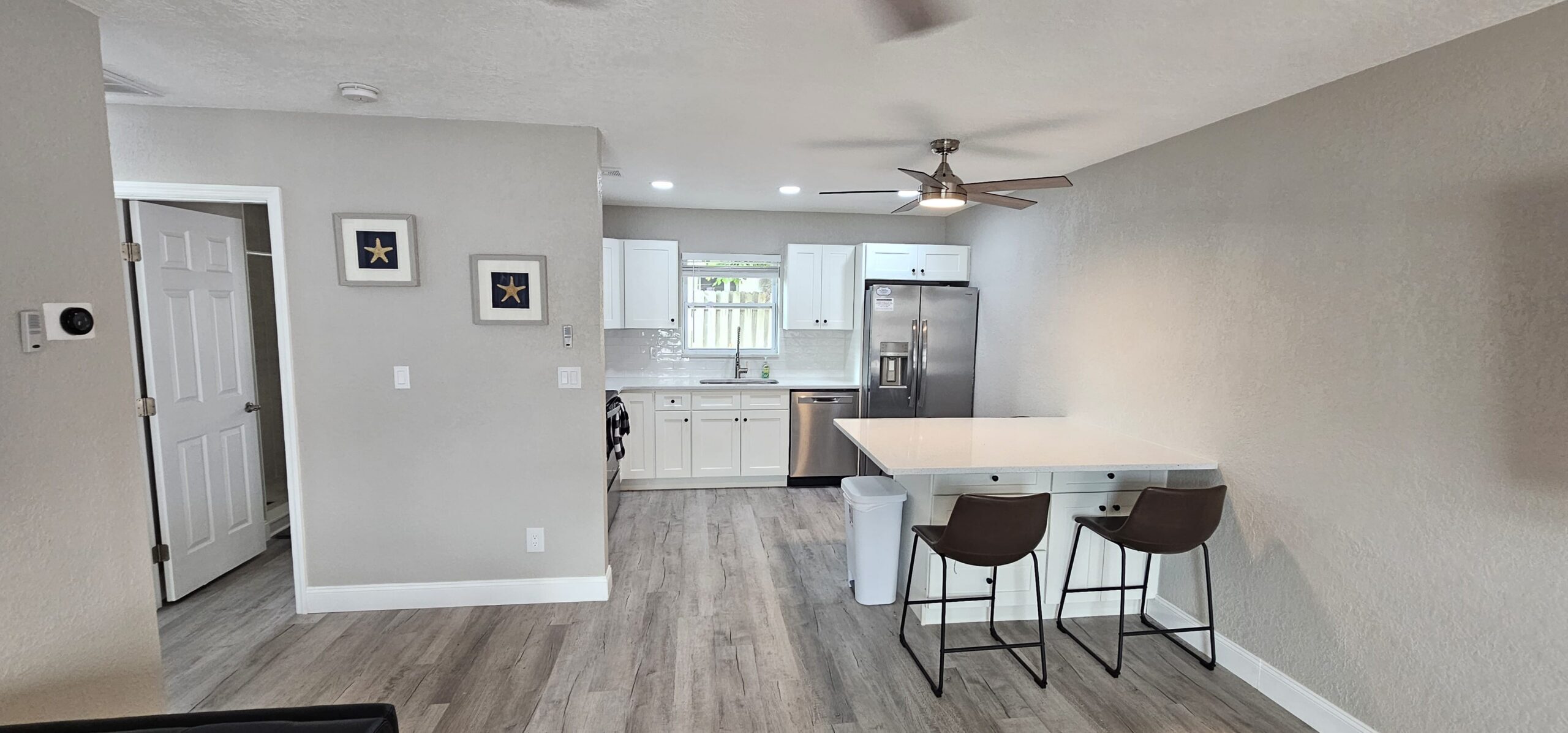
Newly renovated interior with modern kitchen

Comfortable common areas to watch the game, relax & reflect

Quiet bedrooms to recover throughout your stay with us

Drone footage from our office
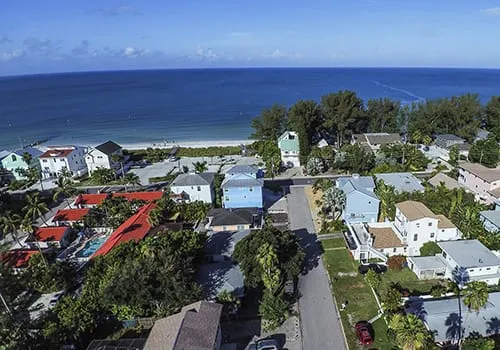
Drone footage from our beachside house
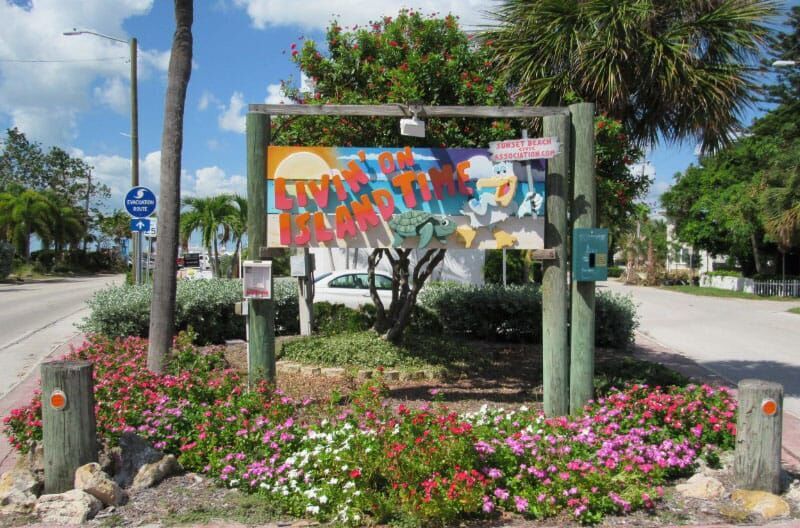
Enjoy Treasure Island activities

Located near some of Tampas best beaches

Become a member of the family
Treatment length and intensity are determined by clinical need — not by preset programs.
Care may include:
Some individuals require extended care to stabilize fully. Others progress more quickly but still need
structured outpatient support. Treatment plans evolve as the individual stabilizes — not before.
Fentanyl addiction rarely exists in isolation.
Anxiety, depression, PTSD, and unresolved trauma frequently fuel continued use — especially after
overdoses or near-death experiences. Treating fentanyl addiction without addressing mental health
significantly increases relapse risk.
Footprints integrates:
This is not parallel treatment. Mental health care and addiction treatment are addressed together,
within the same clinical plan.
Our approach is shaped by real-world fentanyl cases — not theory.
What defines treatment at Footprints:
Recovery begins when the body and brain feel safe enough to engage in the work.
When fentanyl is involved, waiting increases risk — but panic leads to poor decisions. The next step
should be deliberate, informed, and medically appropriate.
A confidential clinical screening can help determine:
Call Footprints Beachside Recovery to speak directly with a clinical professional. You do not need
to have everything figured out. You just need a safe place to start.
Call now for a confidential clinical screening.